1. Introduction to Digital Marketing
Understanding Its Role in Today’s Online World
Digital marketing basics start with one clear idea. Businesses promote products and services using the internet. This includes websites, search engines, emails, and social media platforms. In today’s world, a large share of people’s daily time is spent on the internet. They search, scroll, compare, and buy digitally.
Because of this shift, digital marketing has become essential. Businesses can no longer depend only on offline promotion. Customers expect brands to be visible online. They want fast answers and easy access to information. Online marketing strategies make this possible.
Another key reason digital marketing basics matter is connection. Brands communicate directly with users. They share updates, solve problems, and build trust. This direct engagement improves long-term relationships and supports strong online business promotion.
2. What Is Digital Marketing? A Beginner-Friendly Overview
Digital marketing means promoting a business through digital channels. These include search engines, websites, email, digital advertising, and social media marketing. Instead of newspapers or billboards, brands now rely on tools.
The biggest strength of digital marketing for beginners is control. Businesses track visitors, clicks, and conversions. These insights help refine online marketing strategies quickly. Traditional marketing cannot match this flexibility.
You see digital marketing basics every day. Google search results, email campaigns, and social ads are common examples. Understanding this daily exposure makes learning digital marketing easier and more practical.
3. Why Digital Marketing Is Essential in the Modern Era
Digital marketing is essential because consumer behavior has changed. People rely on online research before making decisions. Reviews, videos, and comparisons influence buying choices.
One major advantage is global reach at a lower cost. Even small businesses can compete online. Digital advertising allows precise targeting based on age, location, and interests.
Another strength is real-time tracking. Using marketing analytics tools, businesses monitor performance instantly. This data-driven approach makes digital marketing basics more effective and reliable.
4. Core Types of Digital Marketing
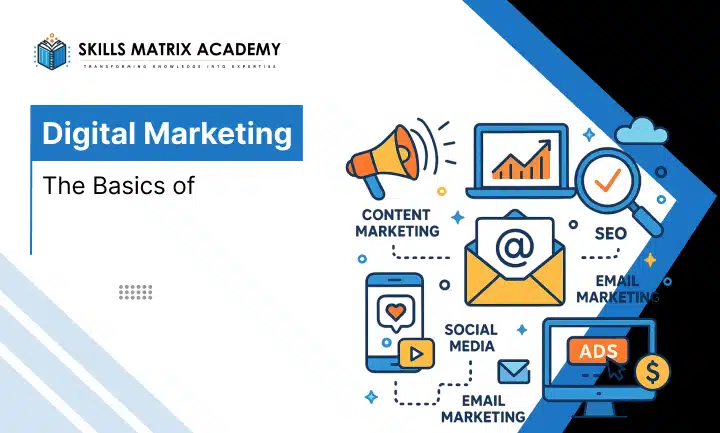
There are several types of digital marketing, each serving a specific goal. Together, they build a strong online presence.
4.1 Search Engine Optimization (SEO): Improving Online Visibility
SEO and digital marketing work together closely. SEO helps websites rank higher on search engines. When users search for information, SEO increases visibility.
Strong SEO builds trust over time. It attracts organic traffic without paid ads. Search engine optimization basics include keyword research, quality content, and technical improvements.
4.2 Content Marketing: Building Trust Through Value
Content marketing focuses on helping users. Blogs, videos, and guides provide value. This content answers questions and solves problems.
High-quality content marketing builds authority. It supports SEO and strengthens online business promotion by keeping users engaged longer.
4.3 Social Media Marketing: Connecting With Audiences Online
Social media marketing helps brands engage with their audience through direct, real-time interactions.
. Platforms like Instagram, Facebook, LinkedIn, and X encourage interaction.
Brands share updates and respond to comments. These social media platforms help build trust, personality, and engagement.
4.4 Email Marketing: Nurturing Long-Term Customer Relationships
Email marketing focuses on direct communication. Businesses send offers, updates, and helpful content straight to users.
This method builds long-term trust. Well-planned email marketing improves retention and encourages repeat engagement.
4.5 Pay-Per-Click Advertising (PPC): Driving Instant Traffic
PPC advertising delivers quick results. Businesses pay only when users click ads.
Platforms like Google Ads support fast visibility. PPC advertising works best when combined with SEO and content marketing.
5. How Digital Marketing Works: A Step-by-Step Process
Every digital marketing campaign follows a clear process. It starts with understanding the audience. Research helps identify needs and behavior.
Next comes platform selection. Some audiences use search engines. Others prefer social media marketing or email.
Content creation follows. Campaigns are then tracked using marketing analytics tools. This data improves future online marketing strategies.
6. Essential Digital Marketing Tools for Beginners
Digital marketing tools make execution easier. Beginners should start with reliable platforms.
Google Analytics tracks website activity. Google Search Console supports search engine optimization basics. Social media schedulers improve consistency.
Email platforms manage campaigns effectively. Together, these digital marketing tools support smarter decision-making.
7. AI-Powered Digital Marketing: The Future of Online Promotion
AI in digital marketing is transforming campaigns. AI analyzes data, predicts behavior, and personalizes content.
Chatbots offer instant responses. AI also improves ad performance and email timing. Automation saves time and increases accuracy.
As AI grows, digital marketing trends shift toward smarter, faster execution and improved user experiences.
8. Key Benefits of Digital Marketing for Businesses
Digital marketing is cost-effective and scalable. Businesses gain higher visibility across digital channels.
Engagement improves through interactive content. Targeted campaigns lead to better conversions. Data-driven insights support continuous improvement.
These benefits make digital marketing basics essential for sustainable growth.
9. Digital Marketing vs Traditional Marketing: A Strategic Comparison
Traditional marketing is expensive and difficult to measure. Results take time.
Digital marketing offers flexibility and real-time tracking. Campaigns can be adjusted instantly.
Global reach and detailed analytics make digital marketing more efficient than offline methods.
10. Costly Digital Marketing Errors and Simple Ways to Avoid Them
Ignoring SEO reduces visibility. Not tracking results wastes resources.
Posting without strategy weakens consistency. Over-selling pushes users away. Value-first content marketing performs better.
Avoiding these mistakes strengthens internet marketing success.
11. Getting Started With Digital Marketing: A Beginner’s Guide
Digital marketing for beginners starts with learning fundamentals. Blogs, videos, and free courses help build knowledge.
Practice is essential. Start small. Use free digital marketing tools. Stay updated with digital marketing trends.
Consistency leads to steady improvement.
12. The Future of Digital Marketing: Trends to Watch
The future of digital marketing is technology-driven. AI and automation will expand further.
Video and voice search will dominate. Personalization will improve user experience.
Customer-centric online marketing strategies will define success.
13. Understanding the Cost of Digital Marketing
The cost of digital marketing depends on goals, channels, and competition. There is no fixed price. Businesses can start small and scale gradually. This flexibility is one reason why digital marketing basics appeal to startups and large brands alike.
Unlike traditional marketing, you control spending. You choose where to invest. You can pause, increase, or adjust budgets at any time. This makes digital marketing more predictable and measurable.
Some strategies require money. Others need time and effort. Most businesses use a mix of both. Understanding these costs helps plan smarter online marketing strategies.
Key Factors That Influence Digital Marketing Costs
Several factors affect pricing in digital marketing:
- Business size and goals
- Industry competition
- Target audience location
- Chosen types of digital marketing
- In-house vs agency execution
Highly competitive industries usually cost more. Niches with low competition cost less. Clear goals reduce unnecessary spending and improve returns.
Average Cost Breakdown of Digital Marketing Channels
Below is a simplified cost table to help beginners understand typical spending ranges. These are approximate values and may vary by region and industry.
| Digital Marketing Channel | Estimated Monthly Cost | Best Use Case | Key Notes |
| SEO and digital marketing | ₹10,000 – ₹50,000 | Long-term organic growth | Results take time but last longer |
| Content marketing | ₹8,000 – ₹40,000 | Brand authority & trust | Supports SEO and engagement |
| Social media marketing | ₹5,000 – ₹30,000 | Audience engagement | Costs vary by platform |
| Email marketing | ₹1,000 – ₹8,000 | Retention & nurturing | Low cost, high ROI |
| PPC advertising | ₹5,000 – ₹1,00,000+ | Instant traffic | Cost depends on competition |
| Digital marketing tools | ₹0 – ₹10,000 | Tracking & automation | Many free tools available |
This table shows why digital marketing for beginners is affordable. You can start with low budgets and expand later.
SEO and Content Marketing Costs Explained
SEO and digital marketing usually require ongoing effort. You pay for research, optimization, and content creation. Results appear slowly but compound over time.
Content marketing costs depend on quality and volume. Blogs, videos, and guides need consistency. High-quality content improves rankings and supports online business promotion.
This approach suits businesses focused on long-term growth and trust.
Paid Advertising Costs: PPC and Social Ads
PPC advertising delivers fast results. You pay for every click. Costs depend on keyword competition and targeting.
Social media ads also fall under digital advertising. These ads work well for promotions and brand visibility. Budgets can be adjusted daily.
Paid campaigns are ideal for quick leads but require proper tracking using marketing analytics tools.
Tool and Software Costs
Digital marketing tools help manage campaigns efficiently. Many beginner-friendly tools are free. Advanced features often require paid plans.
Common tools include analytics platforms, email software, and scheduling apps. These tools support automation and performance tracking.
Investing in the right tools improves accuracy and saves time.
Cost Comparison: Digital vs Traditional Marketing
Traditional marketing costs are high and fixed. Printing, TV ads, and billboards require large budgets.
In contrast, digital marketing allows flexible spending. Campaigns can be stopped instantly. Performance can be measured clearly.
This cost control makes internet marketing more suitable for modern businesses.
How Small Businesses Can Control Digital Marketing Costs
Small businesses can manage the cost of digital marketing by:
- Starting with SEO and content
- Using free digital marketing tools
- Focusing on one or two channels
- Tracking results regularly
Smart planning reduces waste and improves ROI.
14. Conclusion: Why Digital Marketing Matters More Than Ever
Digital marketing basics are critical in today’s digital economy. They offer reach, control, and measurable results.
From SEO and digital marketing to AI-powered tools, businesses can connect with the right audience. Learning and adapting step by step leads to long-term success in the future of digital marketing.
15. Frequently Asked Questions (FAQs)
What is digital marketing in simple words?
Digital marketing is promoting products or services using the internet.
Can beginners learn digital marketing?
Yes. Digital marketing for beginners is easy with practice and learning.
How long does it take to see results?
PPC advertising works fast. SEO and content marketing take time.
Is digital marketing a good career choice?
Yes. It offers growth, flexibility, and strong demand.

Bharat Arora
12+ years as a web developer, Bharat has worked in the biggest IT companies in the world. He loves to share his experience in web development.

Bharat Arora
12+ years as a web developer, Bharat has worked in the biggest IT companies in the world. He loves to share his experience in web development.