1. Introduction
Google algorithm updates are changes made to the system that decides how websites are ranked in search results. These updates help Google show the most relevant, helpful, and trustworthy content to users. Think of the algorithm as a giant filter. It tries to catch the best content and move it to the top.
For brands and marketers, these updates matter because they directly impact website visibility. A single update can improve your rankings or cause a sudden drop. This makes it essential to understand what is changing. If you don’t keep up with Google algorithm changes, your traffic and revenue could suffer.
How often does this happen? Google makes thousands of small changes every year. They also release several major updates known as Google core updates. While minor updates may go unnoticed, major ones can significantly affect your search performance. You need an SEO strategy for brands that accounts for these shifts.
2. What Are Google Algorithm Updates?
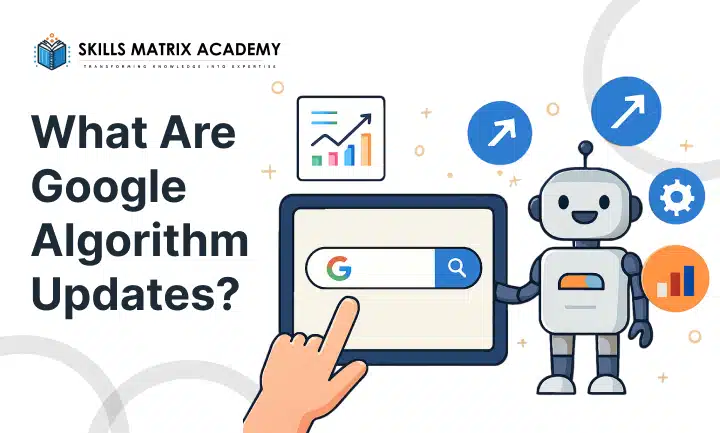
Let’s define this in simple terms. Google algorithm updates are improvements to how Google evaluates and ranks web pages. They help the search engine decide which content best answers a user’s query. It is all about making the search engine smarter.
The main purpose of these updates is to provide accurate and reliable results. Google wants to filter out spam and low-quality content. If a website uses “black-hat” tricks, these updates are designed to find them. This creates a fair playing field for brands that follow Google SEO guidelines.
There is a big difference between core updates and minor updates:
- Google core updates: These are large changes that affect rankings across many different industries.
- Minor updates: These are small adjustments that fine-tune results without causing massive ranking shifts.
3. Why Google Keeps Updating Its Algorithm
Google prioritizes quick access to high-quality and reliable information. Frequent updates help prioritize relevant and well-written content. By improving search quality, Google ensures that users keep coming back. If the results were bad, people would stop using Google.
Another huge goal is fighting spam. Google ranking updates reduce the visibility of keyword-stuffed pages and copied content. This protects the user from seeing manipulative SEO tactics. It also rewards creators who put in the effort to produce original work.
Enhancing the user experience is also a top priority. Factors like page speed and mobile usability play a growing role. Google also updates its system to adapt to new technologies. With the rise of AI and voice search, the Google search algorithm must stay modern to match how people browse today.
4. Types of Google Algorithm Updates
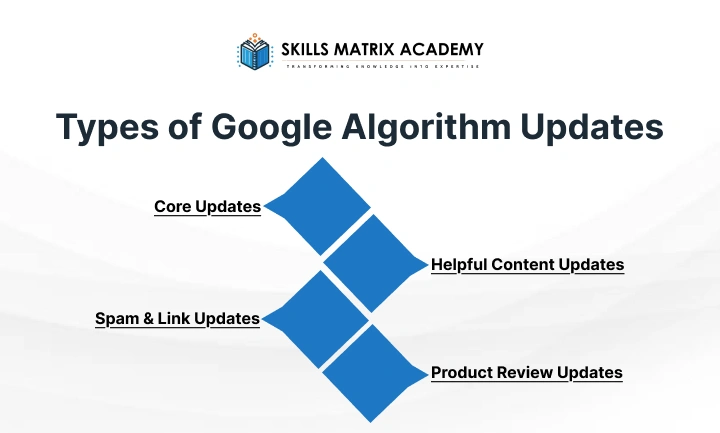
1. Core Updates
These updates have a broad impact on rankings. When a core update rolls out, you might see organic traffic fluctuations across your entire site. These updates focus heavily on content quality and relevance. Google reassesses your content to ensure it aligns with what the user actually wants to find.
2. Helpful Content Updates
The Google Helpful Content Update is designed to reward “people-first” content. It favors pages created for humans rather than just search engines. If you rely on thin or low-quality AI-generated content, you might see website ranking drops. This update looks for deep expertise and original information.
3. Spam & Link Updates
Google is always on the hunt for manipulative backlinks. A Google spam update targets paid links and link farms. If your backlink quality is low, your site could face penalties. Using deceptive techniques is a risky move that rarely pays off in the long run.
4. Product Review Updates
This update puts an emphasis on experience and trust. Google rewards reviews that show real usage and expert opinions. It moves away from generic summaries. If you want to rank well, you must show honest comparisons and provide unique value to the reader.
5. How Google Algorithm Updates Affect Brands
When Google algorithm updates occur, brands see immediate changes in organic visibility. You might see your pages jump to page one, or you might disappear from the top results. It all depends on how well your content meets the latest quality standards.
This impact flows directly into your website traffic and conversions. A drop in rankings often leads to fewer leads and lower sales. This is why monitoring SEO impact of Google updates is a vital part of your business health. You cannot afford to ignore your search data.
Finally, updates affect your brand authority. Google uses E-E-A-T in SEO (Experience, Expertise, Authoritativeness, and Trustworthiness) to judge your site. Brands that demonstrate these signals tend to perform better. Building a trusted brand is the best way to survive any Google ranking updates.
6. How Google Updates Impact Marketers
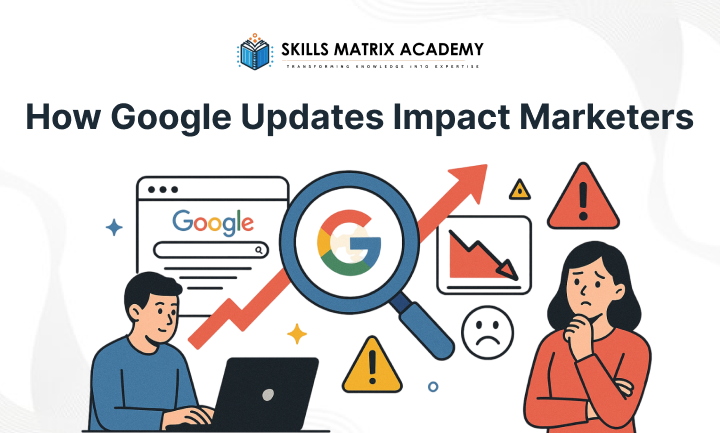
Marketers must regularly refine their tactics. When the algorithm changes, you have to adjust your strategy. This might mean changing how you write or how you handle technical SEO improvements. Flexibility is the most important trait for a modern marketer.
Content marketing has also shifted. There is more focus on originality and user intent than on keyword volume. You can’t just repeat a word and expect to rank. You have to answer the user’s question better than anyone else. This is a core part of content quality signals.
Keyword targeting is now more about topics than exact matches. Marketers must also get better at reporting. You need to identify if a traffic drop was caused by a Google core update or something else. Tracking these changes helps you make better decisions for your clients or your company.
7. Common Mistakes Brands Make After an Update
The biggest mistake is making panic changes. If you see a drop, don’t start deleting everything. Making quick, unplanned edits can do more harm than good. You need to wait for the data to tell you what is actually wrong.
- Removing pages too quickly: You might delete a page that just needed a small update.
- Over-optimizing keywords: Adding more keywords won’t fix a quality problem.
- Ignoring user intent: If you only care about rankings, you will lose the user’s trust.
Instead of reacting with fear, look at the search engine ranking changes objectively. Analyze which pages lost traffic and why. This calm approach leads to a much faster website recovery after algorithm update.
8. How Brands & Marketers Should Respond
1. Focus on Quality Content
Create helpful and original content. Your goal should be to genuinely answer user questions. If your content is well-researched, it will naturally perform better during Google algorithm updates. Quality is the foundation of all good SEO.
2. Strengthen E-E-A-T
Show your real experience. Cite credible sources and highlight your authors’ expertise. Building these trust signals tells Google that your site is a reliable source of information. This is a key part of modern SEO best practices.
3. Improve Technical SEO
Do not forget the technical side. Optimize your page speed and mobile usability. Check your site structure and Core Web Vitals. A fast, clean website provides a better user experience, which Google loves to reward.
4. Monitor & Analyze Performance
Monitor your website using Google Analytics and Search Console. Track your traffic and user behavior regularly. By staying on top of the data, you can spot organic traffic fluctuations early and respond before they become a major problem.
9. How to Prepare for Future Google Algorithm Updates
Building a long-term strategy is the best way to stay safe. Prioritize long-term growth rather than quick wins. If you follow Google SEO guidelines, you won’t have to fear the next update. You will be building a real asset.
Avoid shortcuts like buying links or using “black-hat” tactics. Ethical SEO ensures long-term stability. Websites designed for users naturally align with Google’s goals. If the user is happy, Google is usually happy too.
Always stay updated on digital marketing SEO trends. The search world moves fast. By learning how how Google updates affect SEO, you can stay ahead of your competitors. Proactive brands are the ones that dominate the search results.
10. Final Thoughts
Google algorithm updates are not something to fear. They are actually opportunities. They allow high-quality brands to rise to the top while lower-quality sites fall away. It allows you to prove your skills and expertise.
Adapting early gives you a competitive edge. Brands and marketers who focus on value-driven SEO gain lasting visibility. By staying committed to E-E-A-T in SEO, you build a powerful presence that can weather any storm.
11. FAQs
How often does Google update its algorithm?
Google regularly refines its algorithm with thousands of changes annually. This includes many small changes and several major Google core updates that can shift the market.
Can a website recover after an algorithm update?
Yes, website recovery after algorithm update is possible. You must focus on improving content quality, fixing technical issues, and following the latest guidelines.
How long does it take to see recovery?
Recovery can take weeks or even months. You often have to wait for Google to crawl your site again and recognize the improvements you have made.

Bharat Arora
12+ years as a web developer, Bharat has worked in the biggest IT companies in the world. He loves to share his experience in web development.


Bharat Arora
12+ years as a web developer, Bharat has worked in the biggest IT companies in the world. He loves to share his experience in web development.