Introduction
The world of search is moving fast. If it feels like everything is changing beneath you, you’re not the only one. Just a few years ago, you could rank a website by sprinkling some keywords and building a few links. But those days are gone. Today, the future of search marketing looks completely different. It is smarter, faster, and much more human.
We are seeing a massive shift in how people find information. Users don’t want to dig through page after page of links anymore. They want answers. They want them now. This change is driven by AI in search marketing and new ways of using the internet. If you want to stay visible, you need to change your search marketing strategies right now.
In this guide, I will break down the top search marketing trends you need to know. These aren’t just guesses. These are the shifts happening in real-time. By the end of this post, you will know exactly how to win in the new era of search marketing in 2026. Let’s dive in.
Trend #1: AI-Powered Search Has Become the Standard
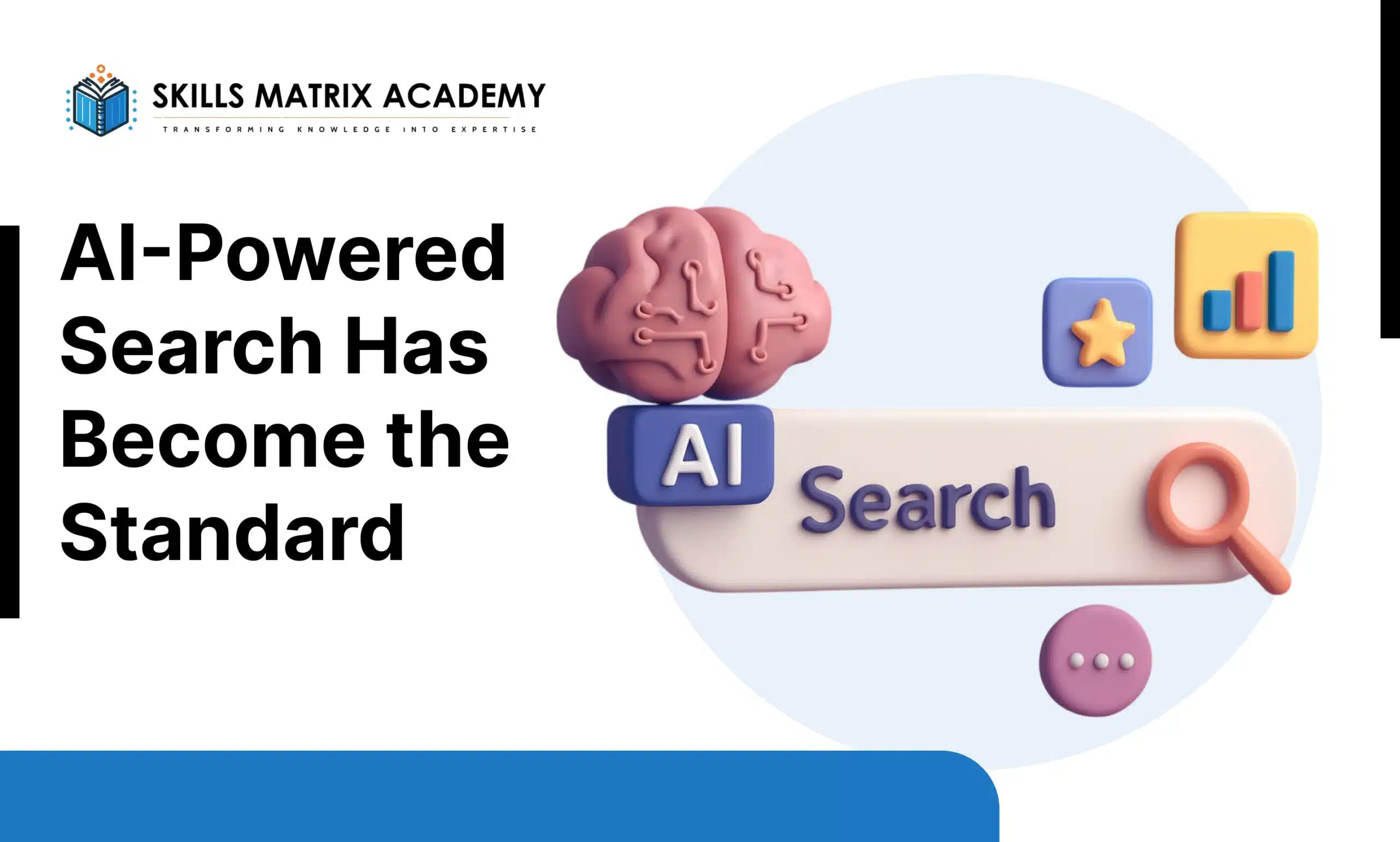
Artificial intelligence is no longer a buzzword. It is the engine behind every search. We are moving toward AI-powered search engines that do the thinking for the user. Instead of a “ten blue links” style, we now see generative search results. These are summaries that appear right at the top of the page to answer a query instantly.
This shift to AI-driven search experiences changes everything for creators. In the past, Google would match your keyword to a page. Now, it uses large language models to understand the “why” behind a search. It looks for user search intent rather than just a word match. If your content doesn’t provide deep value, the AI will simply ignore it.
To stay relevant, you must move beyond basic blogging. You need to create expert-led content that machines can’t easily replicate. Focus on explaining the “how” and the “why” behind your topic. Provide unique insights that come from real experience. This is how you win in a world dominated by AI in search marketing.
How to Master AI-Driven Search
- Focus on Depth: Stop writing surface-level fluff. Write content that covers a topic from every angle.
- Answer Complex Questions: Use your expertise to solve hard problems that a basic AI might miss.
- Update Often: AI models love fresh data. Keep your best posts updated with the latest stats and facts.
Trend #2: The Rise of Zero-Click Searches

Have you noticed that you often get your answer without ever leaving Google? That is a zero-click search. It happens when a featured snippets optimization strategy works too well. Google shows the answer in a box at the top of the search engine results page (SERP). The user gets what they need and goes about their day.
For many, this sounds like bad news. If nobody clicks, how do you get traffic? But here is the secret: visibility is the new currency. They may not click, but your brand remains visible. You become the authority in their mind. This builds brand visibility in search that pays off later when they are ready to buy.
To thrive here, you need to use structured data markup. This helps search engines read your site better. When you use “Schema,” you tell the search engine exactly what your content is about. This makes it more likely that your content appears in the “People Also Ask” section. It’s about owning the real-time real estate on the screen.
Strategies for Zero-Click Success
- Use Headers Wisely: Make your H2 and H3 tags clear questions that people actually ask.
- Give Quick Answers: Put a summary of the answer in the first 50 words of your section.
- Optimize for Snippets: Use bullet points and numbered lists to make it easy for Google to “clip” your content.
Trend #3: Voice Search and Conversational Queries
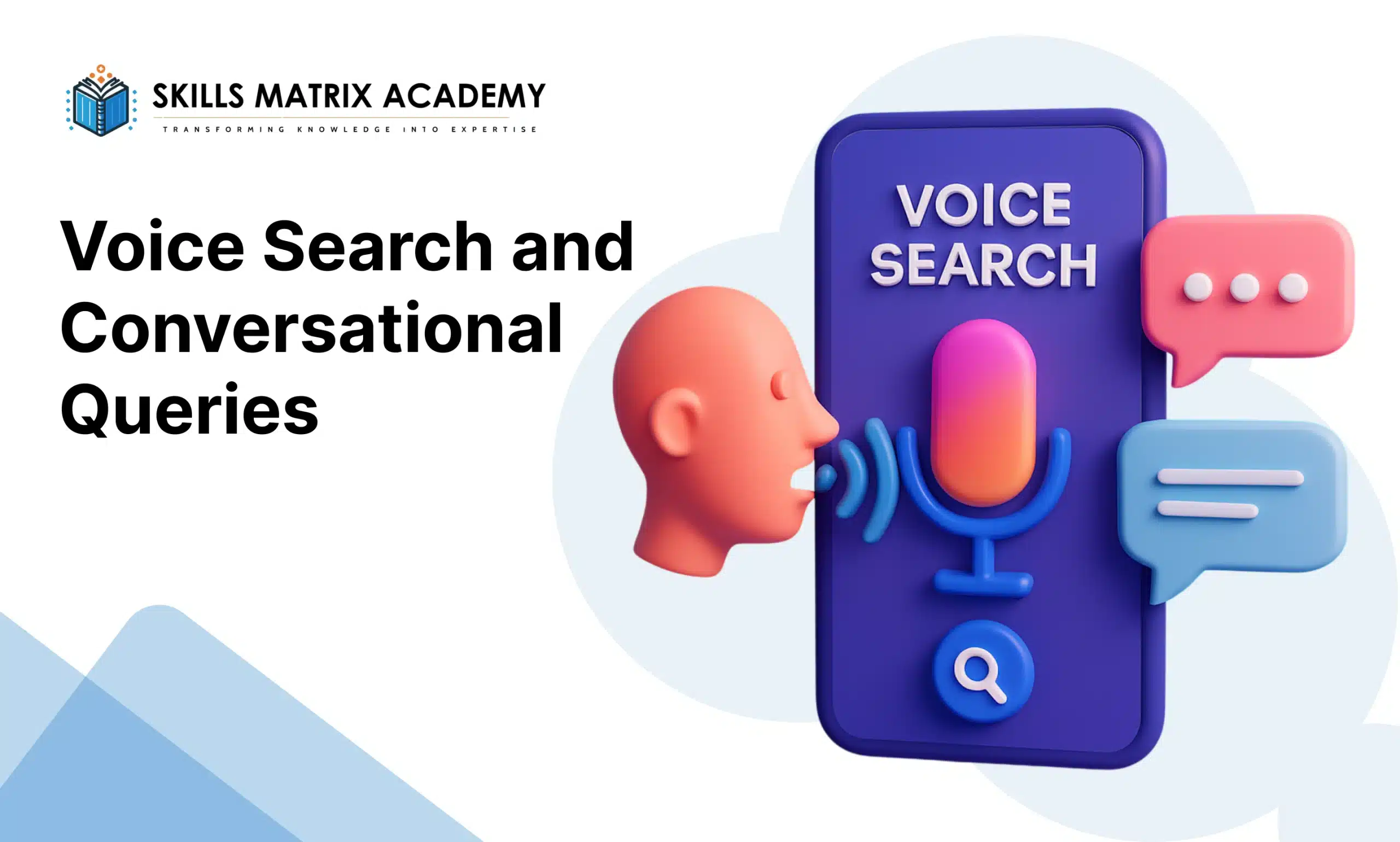
People are talking to their devices more than ever. Whether it’s a phone or a smart speaker, voice search optimization is a must. When people talk, they don’t use short keywords. They use natural language queries. They don’t type “best pizza NYC.” They ask, “Where is the best pizza place near me that is open now?”
This shift means we need to focus on conversational search. Your content should sound like a person talking to a friend. If your writing is too stiff or formal, you will miss out on these long-tail keywords. Think about how your customers speak. Use their words, their slang, and their questions in your blog posts.
Voice assistants and smart devices are everywhere. To capture this traffic, you need an FAQ strategy. Create a section on your site specifically for questions. Each question should be a heading, and the answer should be direct. This is one of the most effective search marketing strategies for the coming year.
Trend #4: Moving to a Privacy-First SEO Model
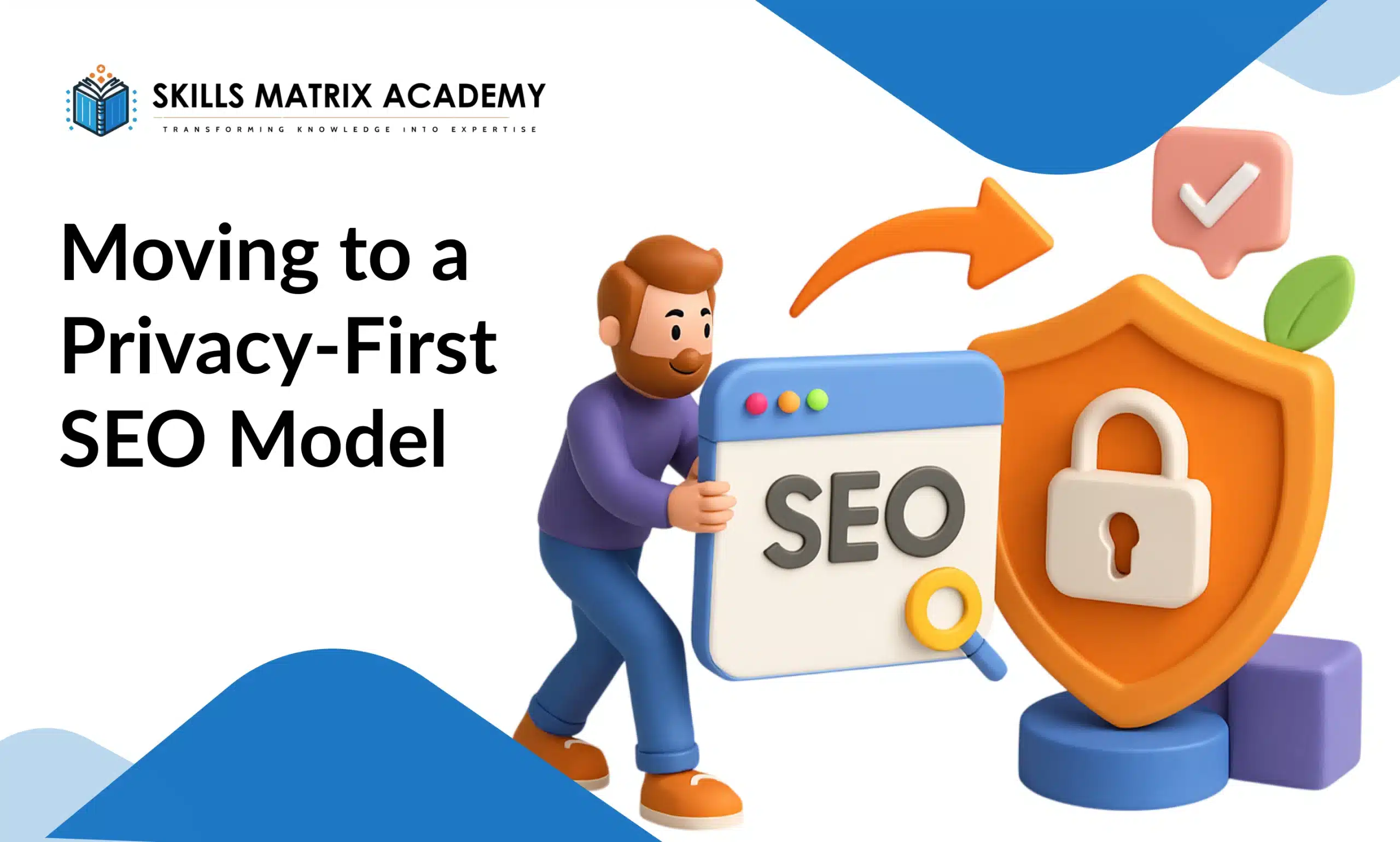
The way we track people is changing. Big browsers are moving away from cookies. This is why a privacy-first SEO approach is vital. We can no longer rely on tracking every move a user makes across the web. Instead, we must focus on first-party data strategy. This means gathering information directly from your audience.
Because of new privacy regulations and SEO changes, trust is your biggest asset. You need to give people a reason to share their data with you. This usually happens through high-quality newsletters or gated content. When you own the data, you don’t have to worry about cookie-less tracking problems or algorithm shifts.
Focus on building a community. If people trust your brand, they will come back to you directly. This reduces your reliance on search engines alone. A good first-party data strategy involves offering real value in exchange for an email address. This creates a direct line to your customers that no tech giant can take away.
Trend #5: Dominating with EEAT and Brand Authority
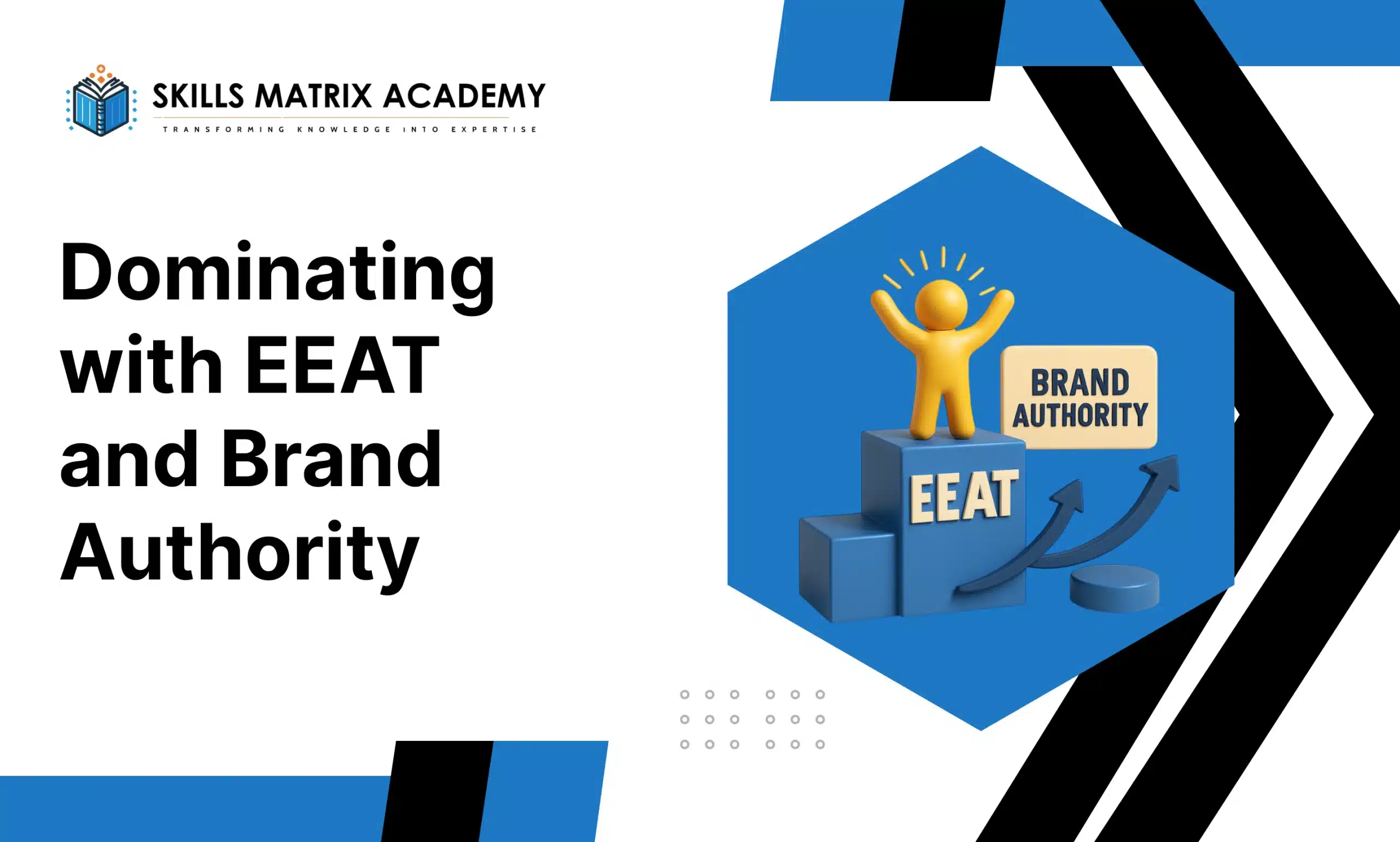
Google has a specific way of “grading” content. They call it EEAT in SEO. This stands for Experience, Expertise, Authoritativeness, and Trustworthiness. In the future of search marketing, Google wants to rank people, not just pages. They want to know that the person writing the article actually knows what they are talking about.
[Image showing the four pillars of EEAT: Experience, Expertise, Authoritativeness, Trust]
Building brand authority in search takes time, but it is worth it. You do this by showing your credentials. Add author bios to every post. Link to your social media profiles. Show off your awards and certifications. These content authority signals tell search engines that you are a real expert who can be trusted.
Trust-based rankings are the ultimate goal. When you have high authority, you can rank for hard keywords more easily. This is because Google sees your brand as a safe bet for the user. Always prioritize the user experience. If your site is easy to use and provides great advice, your EEAT in SEO scores will naturally rise.
The Path Forward for Search Marketing in 2026
The future of search marketing is not about “gaming” the system. It is about being the best answer on the internet. We have seen how search marketing trends are moving toward AI and privacy. We know that brand authority in search is more important than ever. So, what should you do today?
Start by auditing your current content. Look for ways to add more “Experience” to your posts. Are you using AI-driven search experiences to your advantage? Are you prepared for zero-click searches? If you focus on the user and follow the EEAT in SEO guidelines, you will stay ahead of the curve.
Remember, search marketing in 2026 will reward those who are helpful. Stop chasing the algorithm and start chasing the user’s needs. Use natural language queries and focus on conversational search. If you do this, your search marketing strategies will stand the test of time.
Frequently Asked Questions
1. What is the future of search marketing exactly?
The future of search marketing is a move away from keywords toward user intent. It involves using AI in search marketing to provide instant answers. It also focuses on privacy and building a trusted brand that people recognize in the search engine results page (SERP).
2. How do I optimize for AI-powered search engines?
To rank in generative search results, you need to be a clear authority. Use structured data markup and focus on long-form, expert content. Provide unique data or insights that an AI cannot find elsewhere. This builds your EEAT in SEO signals.
2. Are keywords dead in search marketing in 2026?
No, but they have changed. We now focus on long-tail keywords and natural language queries. Instead of “exact match,” search engines look for the meaning. You should still use keywords, but they must fit naturally into conversational search content.
3. Why is first-party data important for SEO?
As privacy regulations and SEO evolve, third-party cookies are disappearing. A first-party data strategy allows you to stay in touch with your audience directly. This builds a “moat” around your business that protects you from Google search updates.
4. How can I improve my brand authority in search?
You can build brand authority in search by being consistent. Publish high-quality content, get mentioned by other experts, and maintain a strong presence on social media. Focus on content authority signals like author bios and case studies to prove your expertise.

Bharat Arora
12+ years as a web developer, Bharat has worked in the biggest IT companies in the world. He loves to share his experience in web development.


Bharat Arora
12+ years as a web developer, Bharat has worked in the biggest IT companies in the world. He loves to share his experience in web development.