Customers stay loyal when they have a good experience with a brand. That is why many companies use a CRM system. CRM means customer relationship management. It is a type of CRM software that helps businesses manage relationships with customers and potential buyers.
A CRM system tracks how people find your company. It also tracks how they move through the CRM sales pipeline management process. This means you can see every step of the customer journey.
Good CRM platforms also support CRM for sales management, CRM for customer support, and CRM for marketing automation. These tools help teams work faster and serve customers better.
Many companies use popular CRM tools such as:
- Salesforce CRM
- HubSpot CRM
- Monday CRM
- Pipedrive CRM
- NetSuite CRM
- Zoho CRM
- Freshsales CRM
- Zendesk Sales CRM
These CRM platforms help businesses grow. They improve CRM business management and make customer service easier.
CRM Stands for Customer Relationship Management
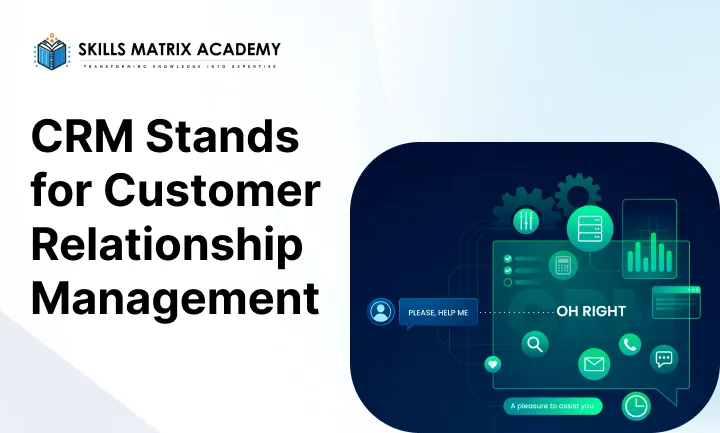
CRM stands for Customer Relationship Management. This name explains the main goal of a CRM system. The system helps companies manage their relationships with customers and prospects.
A modern CRM system works like a central database. It stores all customer details in one place. It includes names, emails, phone numbers, and past purchases.
With proper CRM database management, teams can easily access customer data. This improves decision-making and customer service.
A strong CRM system also helps with:
- CRM lead generation tracking
- CRM customer journey tracking
- CRM sales tracking
- CRM marketing strategy
- CRM reporting tools
Because of this, CRM for business has become very important. Companies use customer management software to manage thousands of customer interactions every day.
A Simple Example of CRM Software in Action
Let’s look at a simple example.
Imagine you run a publishing company. You sell a magazine directly to subscribers. At first, managing customers looks easy. But soon things get complicated.
Customers move to new addresses. Their payment methods change. Some customers upgrade their plans. Others cancel or pause their subscriptions.
Handling all this information manually can become stressful. This is where CRM software helps.
A CRM system keeps track of all customer details. It records payments, subscriptions, and delivery information. With CRM automation, many tasks happen automatically. For example, the system can update customer data or send reminders.
Now imagine your business grows.
You sell magazines to subscribers. You also sell copies to newsagents in bulk. You sell advertising space to brands and agencies. You may even host events for extra revenue.
This means you now have different types of customers. Without proper customer data management, it becomes very difficult to manage these relationships. But with the right CRM platforms, everything stays organised.
Teams can see customer activity clearly. They can also improve customer experience management and build stronger relationships.
Skills You Learn by Using CRM
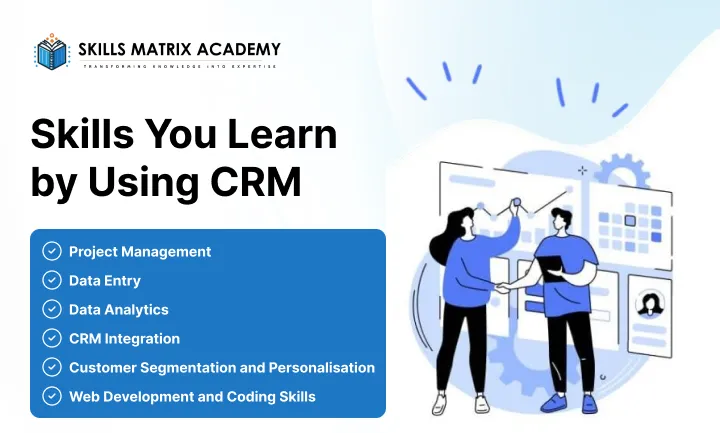
Learning CRM software helps you develop many useful professional skills. These CRM skills are valuable in many industries. They also make your CRM skills for a resume stronger.
Below are some important CRM job skills you learn when working with CRM tools.
Project Management
A CRM system helps teams organise work. Sales teams track leads. Marketing teams manage campaigns. Support teams solve customer problems. This process requires strong CRM project management skills.
A skilled professional creates clear workflows inside the CRM. These workflows make tasks repeatable and easier to manage. Good CRM project management saves time. It also reduces mistakes and increases productivity.
Data Entry
Data entry may sound simple, but it is very important. Every CRM system depends on accurate data. If customer information is wrong, the whole system becomes less useful. That is why companies focus on proper CRM database management.
Professionals must update customer details carefully. This ensures the CRM software always has the correct information. Clean data improves CRM business management and decision-making.
Data Analytics
Another key skill is CRM data analytics. Businesses collect large amounts of customer data. This includes purchase history, website visits, and customer feedback. Using CRM analytics, companies can find useful patterns.
For example, businesses can discover:
- Which marketing channel brings the most leads
- Which products do customers buy the most
- Which campaigns generate conversions
These insights help improve the CRM marketing strategy. They also create valuable CRM customer insights that improve customer relationships.
CRM Integration
Businesses use many different digital tools. They collect data from websites, social media, email platforms, and surveys.
To make this data useful, companies rely on CRM integration. With strong CRM web development integration, all customer information flows into the CRM automatically. This improves CRM automation and reduces manual work. It also helps teams track every customer interaction in one place.
Customer Segmentation and Personalisation
Modern CRM systems allow companies to group customers into segments. This process is called CRM customer segmentation. Businesses divide customers based on behaviour, interests, or demographics.
Once segments are created, companies apply CRM personalisation strategies. They send targeted messages, offers, or content to each group. This improves engagement and loyalty.
Combining CRM customer segmentation with personalisation helps companies deliver better experiences. It also strengthens customer experience management and improves business results.
Web Development and Coding Skills
Technical knowledge also helps when working with CRM platforms. Many companies customise their CRM software using coding. Skills like HTML and JavaScript support CRM, HTML, JavaScript integration, and advanced CRM coding skills.
Developers can create forms that collect customer data. They can also build dashboards that display important information. With strong CRM web development integration, businesses keep their customer management software organised and easy to use.
CRM Career Opportunities
Learning CRM software can open many career doors. Companies need professionals who understand customer relationship management and modern CRM tools.
Some popular CRM career opportunities include:
- CRM Consultant – helps companies improve customer experience and strategy
- CRM Administrator – manages the technical side of the CRM system
- CRM Marketing Specialist
- CRM Data Analyst
- CRM Automation Specialist
These roles require strong knowledge of CRM analytics, CRM integration, and customer strategy.
How to Start Learning CRM
If you want to build skills in CRM for business, follow these simple steps.
1. Gain Relevant Experience
Start by working in roles related to customers. Good options include:
- Sales jobs that involve CRM sales tracking
- Customer service roles focused on CRM for customer support
- Starting your own small business
These roles help you understand how companies manage customer relationships.
2. Take a CRM Course
Another great step is enrolling in a CRM course online. A good CRM certification course teaches both strategy and tools.
Most CRM training programs include topics like:
- Planning business goals
- Mapping the customer journey
- CRM customer journey tracking
- CRM lead generation tracking
- Customer segmentation strategies
These lessons provide a strong CRM learning guide for beginners.
3. Practice Using a CRM Tool
Practical experience is very important. Start by exploring popular CRM platforms like:
- Salesforce CRM
- HubSpot CRM
- Monday CRM
- Freshsales CRM
- Zendesk Sales CRM
- Zoho CRM
While practising, try these tasks.
4. Import Data
Add customer information to the CRM. This may include contact details, sales records, and marketing leads.
5. Set Up Automation
Use CRM automation tools to automate tasks. For example, you can create automated email campaigns or follow-up messages.
Monitor Results
Use CRM reporting tools to measure performance. Track metrics like email open rates, conversion rates, and social engagement. These insights help improve CRM marketing strategy and business decisions.
How CRM Improves Business Performance
Businesses grow when they understand their customers. This is where CRM benefits become very useful. A customer relationship management system helps companies manage customers, track prospects, and organise information in one place.
Modern CRM software collects customer data from different channels. It stores contact details, sales activity, and customer history. This helps businesses improve CRM for business performance.
Many teams benefit from CRM software. Sales teams close more deals. Marketing teams create better campaigns. Customer service teams solve problems faster. Admin teams save time.
Because of this, customer relationship management benefits reach almost every department. Companies gain better insights, stronger processes, and steady CRM business growth.
CRM Sales Benefits
One of the biggest CRM benefits appears in the sales department. Sales teams manage many leads every day. Without proper tools, it becomes difficult to track every prospect. A CRM prospect tracking system solves this problem.
Salespeople can see what customers and prospects are doing. They can track emails, calls, meetings, and website activity. This improves CRM sales visibility.
With clear information, teams achieve better CRM sales pipeline improvement. They know which deals are close to closing and which leads need follow-up.
This also increases CRM lead conversion improvement. Salespeople focus on the best opportunities and close more deals. These improvements lead to strong CRM revenue optimisation.
Some key advantages of CRM tools for sales teams include:
- Better CRM performance tracking
- Accurate CRM sales forecasting tools
- Stronger CRM customer engagement tracking
- Faster lead follow-ups
All these benefits help businesses achieve long-term CRM business growth.
CRM Strategy Benefits
The CRM strategy benefits appear over time. As businesses collect more data, they gain powerful CRM customer insights. Companies start to understand customer behaviour better.
Using CRM customer behaviour analysis and CRM customer data analysis, businesses can see patterns in buying habits. These insights help companies build a strong CRM data-driven strategy.
Many companies also use CRM analytics for business strategy and CRM business intelligence tools to study customer data. These tools reveal useful CRM market insights.
With this information, companies improve their CRM data-driven customer management approach. They also strengthen their CRM customer lifecycle management strategy. This helps businesses plan smarter and grow faster.
CRM Customer Service Benefits
Great customer service keeps customers coming back. This is why CRM customer service benefits are very important. Customer support teams use CRM records to view each customer’s history. They can see past purchases, support tickets, and feedback.
This helps teams improve CRM customer satisfaction tracking. When problems happen, support agents can quickly understand the situation. This leads to better CRM customer experience improvement.
A good CRM system also helps reduce customer loss. Companies can identify unhappy customers early and solve issues quickly. This helps with CRM churn reduction.
Managers also use CRM tools for customer service to monitor service quality. These tools help companies improve CRM customer retention strategies and build stronger relationships.
CRM Marketing Benefits
Marketing teams also gain strong CRM marketing benefits. Every marketing campaign produces customer data. CRM systems collect this information and show how people react to marketing messages.
With CRM customer engagement tracking, marketers can see which campaigns perform best. This helps businesses achieve better CRM marketing ROI improvement.
Another major advantage is CRM marketing automation benefits. Automation tools send emails, promotions, and follow-up messages automatically. This saves time and improves communication with customers.
Automation also supports CRM personalised marketing strategies. Businesses can reach the right people with the right message. This improves CRM customer personalisation and increases engagement.
Many companies rely on CRM tools for marketing teams to manage campaigns and track results. These tools help businesses attract new customers and keep existing ones.
CRM Administrative Benefits
The CRM administrative benefits help companies manage daily work more easily. Many tasks in a business are repetitive. These tasks include updating records, sending emails, and preparing sales documents.
CRM systems reduce this workload through CRM workflow automation. For example, customers can update their own information online. Marketing emails can be sent automatically. Sales teams can create quotes quickly.
These features improve CRM operational efficiency.
Companies also benefit from CRM automation for business operations. Teams spend less time on manual work and more time helping customers.
This leads to real CRM cost reduction with CRM.
Admin teams also depend on CRM customer record management to store all customer data in one place. This improves organisation and teamwork.
CRM Career Opportunities
CRM technology is growing quickly. Because of this, there are many CRM career opportunities. Businesses need professionals who understand CRM systems and customer data.
Some common CRM jobs include:
- CRM manager role – manages CRM systems and customer data
- CRM sales operations specialist – improves sales processes
- CRM customer success manager role – focuses on customer satisfaction
These roles require strong CRM skills for career growth. Professionals with CRM knowledge can build a strong CRM career path. Today, there are many CRM job opportunities in CRM across industries such as technology, retail, healthcare, and marketing.
Future Trends in CRM
The CRM industry continues to grow. Experts predict strong CRM industry growth in the coming years. One important trend is CRM artificial intelligence integration.
Modern AI-powered CRM systems can analyse customer data and predict customer behaviour. Another growing trend is cloud-based CRM solutions. These systems allow businesses to access CRM data from anywhere.
With remote work becoming common, mobile CRM systems are also increasing in popularity. These technologies help businesses deliver better CRM customer personalisation and improve CRM data-driven customer management. Companies that adopt these technologies will stay competitive.
Conclusion
Today, CRM benefits are essential for modern businesses. A strong customer relationship management system helps companies manage customers, improve sales, and deliver better service.
With powerful CRM software benefits, businesses gain valuable CRM customer insights and better decision-making. These improvements support long-term CRM business growth.
At the same time, learning CRM creates strong CRM career opportunities. Professionals with CRM knowledge can build successful careers in many industries. In today’s digital world, CRM is not just a tool. It is a key system that helps businesses grow and build strong customer relationships.

Bharat Arora
12+ years as a web developer, Bharat has worked in the biggest IT companies in the world. He loves to share his experience in web development.


Bharat Arora
12+ years as a web developer, Bharat has worked in the biggest IT companies in the world. He loves to share his experience in web development.