The old digital marketing strategy is dying. For the last ten years, we followed a simple map. You ranked on Google. You drove traffic to your site. You turned that traffic into leads. It was predictable. It was safe. But that world is gone.
In 2026, the buyer’s journey has moved. It no longer starts or ends on a search results page. Your website is no longer the main starting point. Instead, modern digital marketing shifts have moved discovery to AI and community hubs. This means AI digital marketing is no longer an option; it is the core of how brands survive.
Today, people don’t just “search.” They ask. They ask ChatGPT for product recommendations before they even consider your URL. They scan Reddit to see if you’re “legit.” They watch YouTube to see your product in action. When they finally visit your website, they have already made up their mind. Your brand either showed up in those AI responses, or it didn’t exist at all.
Shift 1: Discovery Has Escaped the Google Box
Discovery is now a multi-platform discovery journey. It is messy. It is non-linear. A buyer might see a TikTok video about a problem. Then, they explore options through YouTube product comparisons. Later, they might follow LinkedIn creator marketing threads to see what experts think.
Search still matters, but it’s no longer the king of discovery. It’s just one stop in a much larger loop. This is a massive change in AI-powered search behavior. People are looking for “real” experiences. They want to know what actually works. To survive, your digital marketing strategy 2026 must meet them where they live. You can’t just wait for them to find your blog.
Successful digital marketing campaigns in this era look very different. You have to be the topic of conversation on the platforms they trust. If you aren’t part of the organic discussion, your paid ads won’t save you. You need to embed your brand into the digital fabric where buyers actually hang out.
Shift 2: AI is the New Research Interface
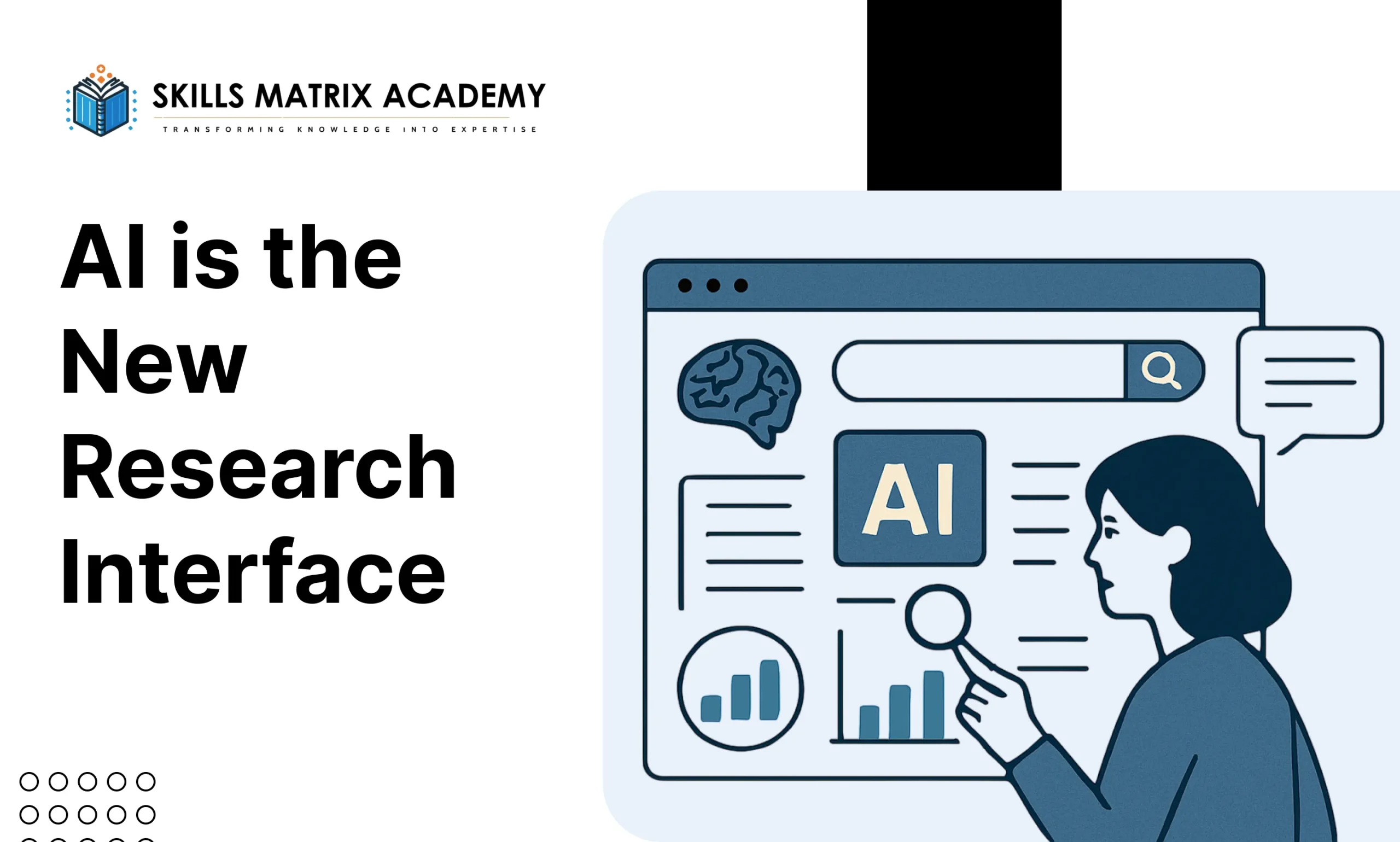
AI tools are changing how we find answers. We are moving toward an AI research interface. Instead of clicking ten blue links, buyers ask a model for a shortlist. They want a comparison. They want the “best tool for X.”
The AI buyer journey is about speed and synthesis. Generative AI in marketing isn’t just a trend; it’s a behavioral shift. According to the Stanford HAI AI Index report, 78% of organizations now use AI. That is a massive jump from last year. This means generative AI adoption growth is hitting a tipping point.
When a buyer asks an AI for help, they form their first opinion right there. This creates a new reality for your AI-powered search behavior. Your website isn’t the primary place where persuasion starts. The first evaluation happens in the LLM. If your AI digital marketing efforts don’t secure a spot in that response, you are effectively invisible to the modern buyer.
Shift 3: From Rankings to Citability (SEO → GEO)
Traditional SEO is evolving. We are seeing a massive shift from SEO to GEO. “Being #1 on Google is great, but AI might still skip you. This is exactly where Generative Engine Optimization (GEO) steps in.” This is exactly where Generative Engine Optimization makes the difference.
Recent data shows that many AI overview citations come from sites that don’t even rank in the top 20 organic results. This means you need a GEO marketing strategy. You aren’t just optimizing for a search engine; you are optimizing for AI content citability.
To win, you need to focus on the LLM visibility strategy. Your content needs to be structured so that an AI can understand and cite it. This is where AI search optimization begins. If you want brand visibility in AI answers, you have to provide clear, authoritative data that models can’t ignore. This level of technical precision is what defines the most effective digital marketing campaigns today.
Shift 4: Communities are the New Trust Infrastructure
AI models don’t just pull from the whole web. They pull from places where trust is high. Community-driven marketing is now your best friend. Platforms like Reddit, LinkedIn, and Wikipedia are the “trust signals” for AI.
Research shows that nearly half of all AI search citations come from community sources. In fact, some models reference these platforms in 90% of their answers. A Reddit marketing strategy is now a core part of modern digital marketing shifts. Why? Because Reddit has “lived experience.”
- Lurk: Find the conversations that shape buying decisions.
- Listen: Understand the language and the objections people have.
- Leap: Contribute to the thread with real value, not just a sales pitch.
This user-generated content influence is what feeds AI citation sources. If people on Reddit recommend your gear, the AI will too. This is how you build a digital brand trust infrastructure. You aren’t just selling; you are building a reputation that the AI picks up on.
Shift 5: Content is a Product, Not a Campaign
Stop treating your blog like a one-time event. That old way fails in 2026. You need content as part of your product strategy. This means your content is never “done.” It must be maintained, refreshed, and improved.
We call this the content supply chain model. Think of Hootsuite. They have a resource on the “best time to post.” They don’t just publish it and walk away. They constantly refresh it with new data. This is evergreen content optimization at its best.
Content that sits still dies. It loses its SEO freshness. More importantly, it loses its citability as AI content. If your data is old, the AI won’t use it. You need a system that integrates research and distribution. This is the only way to maintain brand authority building in an AI world. Your AI digital marketing success depends on how well you keep your information “alive.”
Shift 6: The Human Layer is Your Edge

AI can write a summary, but it can’t offer an opinion. In a world of AI-driven discovery, insight is the new gold. The internet is full of “safe” content. To stand out, you need AI content differentiation.
This is the human-centered marketing era. You need a point of view. You need a “backbone.” Storytelling in B2B marketing is about more than just facts. It’s about empathy and intuition. Some experts suggest moving toward a documentary-style approach to content marketing.
Don’t just report the data—find the patterns. Tell your audience what the data means for their future. This builds brand authority that a machine cannot mimic. When you provide a unique perspective, you become a “source of truth.” That makes your brand worth citing and worth believing. This human element is the secret sauce that makes modern digital marketing campaigns resonate.
Shift 7: Measuring Success in the AI Era
How do you measure a mention you can’t track with a click? The old ROI models are breaking. The evolution of performance marketing means we need new KPIs. You might not see the click, but you will feel the impact in your pipeline.
We are moving toward a reputation-driven marketing strategy. You need to look at AI visibility metrics. This isn’t about how many people visited your site. It’s about how many AI models recommended you.
- Visibility share: Your percentage of appearances for key queries.
- Mention rate marketing KPI: How often your brand is discussed.
- AI brand sentiment tracking: How the AI describes your brand.
Conclusion: Adapting to the AI-Driven Digital Marketing Era
The era of predictable SEO and traffic-driven growth is over. In 2026, modern digital marketing shifts demand a new playbook. Discovery no longer starts on your website. It happens in AI-powered research, community platforms, and multi-platform journeys. To stay visible, brands must embrace AI digital marketing, Generative Engine Optimization, and community-driven trust signals.
Content is no longer a one-time campaign—it’s a product that evolves. Your human perspective, insight, and storytelling are what differentiate you from AI-generated sameness. Brands that align business strategy with these AI-first approaches will build credibility, earn citations, and influence buyer decisions before they even land on your site.
Finally, measuring success requires new KPIs. Focus on visibility share, mention rate, and AI sentiment rather than just clicks. Reputation-driven marketing and intelligent, human-centered content are the keys to thriving in this AI-powered landscape.
The takeaway: If you want your brand to survive—and thrive—you must meet buyers where they discover, provide trusted insights, and stay present in AI and community-driven conversations. The future of digital marketing isn’t just digital—it’s AI, human, and trust-centered.

Bharat Arora
12+ years as a web developer, Bharat has worked in the biggest IT companies in the world. He loves to share his experience in web development.


Bharat Arora
12+ years as a web developer, Bharat has worked in the biggest IT companies in the world. He loves to share his experience in web development.