The eCommerce industry is highly competitive today. With countless online stores competing for the same audience, brands face ongoing challenges such as high cart abandonment rates, low repeat purchase numbers, and the need to deliver personalized experiences at scale. Customers today expect quick service, smooth buying experiences, and rewarding loyalty programs—all powered by organized data and efficient workflows. This is where an eCommerce CRM makes all the difference. A CRM brings all your customer data into one place, automates your marketing, and connects seamlessly with platforms like Shopify—helping you increase sales, retain customers, and build lasting loyalty.
In this guide, we’ll explore the challenges ecommerce businesses face, the must-have features of CRM software for ecommerce, and review the best CRM for ecommerce platforms to help you grow in 2026.
What Is an eCommerce CRM and Why Does It Matter?
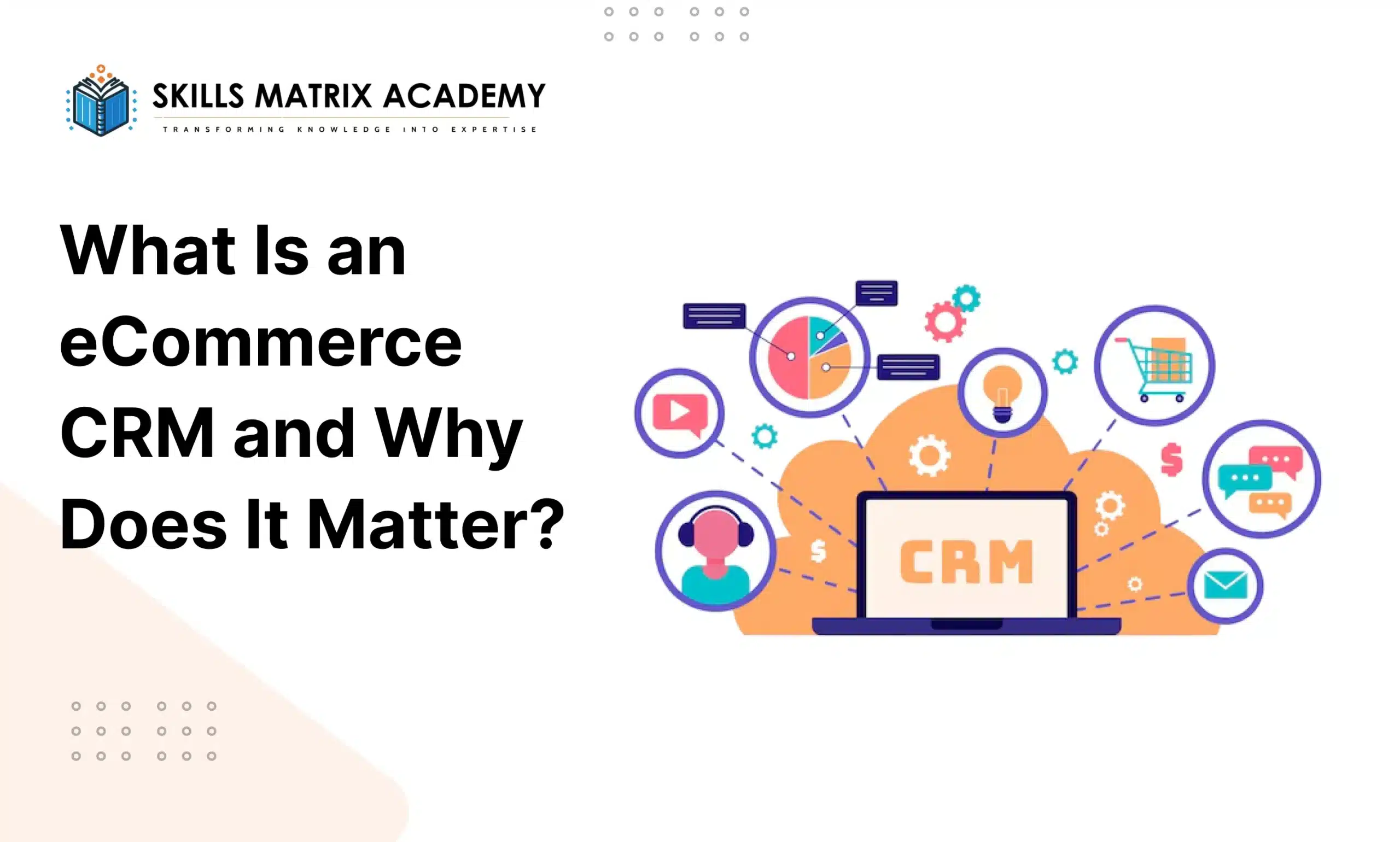
If you are wondering about the ecommerce CRM meaning, it is actually quite simple. An eCommerce CRM is a tool that helps online stores manage customer relationships from the first visit to repeat purchases. It tracks everything from the first time someone lands on your site to the moment they become a loyal fan.
Unlike a basic spreadsheet or a standard sales tool, eCommerce CRM software focuses on unifying store data. Think about the massive amount of info moving through your shop every day: what people click on, what they leave in their carts, and what they finally buy. Without a CRM for ecommerce business, you are basically flying blind. You have all this data, but it’s scattered in different places. A good ecommerce CRM system brings it all under one roof so you can actually use it to sell more.
The Big Wins: Ecommerce CRM Benefits
When you start using eCommerce CRM solutions, the way you run your business changes. You stop guessing and start knowing. Here is why having a CRM for online store management is a total game-changer for your growth.
- Centralized customer data CRM: Instead of hunting through different tools, you have one spot where marketing, sales, and support see the same details.
- Ecommerce CRM integration: It hooks right into Shopify, Magento, or WooCommerce. Your data just flows in without any manual exports.
- Ecommerce marketing automation CRM: It handles the boring stuff. It sends the thank-you notes and the “we miss you” emails while you sleep.
- Ecommerce personalization tools: You can talk to people like you actually know them. You can send a discount for shoes to someone who just looked at boots.
- Real-time CRM data: You get to see what is happening right now. You don’t have to wait for a monthly report to see if your sale is working.
Must-Have Ecommerce CRM Features for 2026
If you are looking for the best CRM for ecommerce, you shouldn’t just pick the cheapest one. You need specific ecommerce CRM features that help you scale. A solid ecommerce CRM should offer ecommerce customer data management that is easy to read. You also want a CRM for abandoned cart recovery because that is where most of your “lost” money is hiding.
When comparing ecommerce CRM platforms, look for customer segmentation CRM abilities. This allows you to group your customers—like “big spenders” or “one-time buyers”—so you can send them different messages. Also, ensure it has ecommerce analytics CRM built in. If you can’t track your success, you can’t improve it. In 2026, the best ecommerce CRM tools even use AI to predict what your customers will want next.
Top 7 Best eCommerce CRM Solutions in 2026
Choosing the right ecommerce CRM software depends on your size and your goals. Here’s a quick look at the top eCommerce CRM tools available today.
01. Microsoft Dynamics 365 Sales
This is a powerhouse CRM for ecommerce business needs, especially for bigger companies. It is the best ecommerce CRM 2026 choice for those already using Microsoft Office or Azure. It’s great for ecommerce CRM for enterprise users who need to handle global sales and complex data.
- Pros: Deep AI insights and amazing reporting for big teams.
- Cons: It’s a bit hard to learn and can get expensive.
02. Odoo CRM
Odoo is perfect for ecommerce CRM for omnichannel retail. If you sell online and also have a physical shop, this ecommerce CRM system keeps your inventory and customer notes in sync everywhere. It is a very flexible CRM for online store growth.
- Pros: It combines your shop, your warehouse, and your CRM in one place.
- Cons: The setup can be a bit messy if you don’t have a tech person to help.
03. SAP Sales Cloud
For huge, global brands, SAP is a top CRM for ecommerce contender. It handles multi-country sales and complex shipping rules easily. It’s a serious ecommerce CRM for enterprise-level operations that need total security.
- Pros: Built for massive scale and works with huge supply chains.
- Cons: Very high price tag and requires a lot of IT support.
04. Salesforce Commerce Cloud
Salesforce is often called the best CRM for ecommerce because it can do almost anything. It offers incredible ecommerce personalization tools driven by AI. If you want a CRM with Shopify integration or a custom build, Salesforce can handle it.
- Pros: Extremely powerful and grows as large as you do.
- Cons: It is complex, and the CRM software pricing comparison shows it is one of the priciest options.
05. Brevo (formerly Sendinblue)
If you are looking for an ecommerce CRM for a small business, Brevo is a winner. It is an affordable ecommerce CRM that focuses heavily on CRM email marketing automation. It’s simple and beginner-friendly to use.
- Pros: Great for SMS and email marketing on a budget.
- Cons: It lacks the heavy-duty data features that bigger stores might need.
06. Zoho CRM
Zoho is a fantastic CRM for online store owners who want a lot of features without a huge bill. It is a very popular CRM software in India ecommerce choice because of its value. It offers great ecommerce CRM integration with most major platforms.
- Pros: Very budget-friendly and easy to customize.
- Cons: The mobile app can be a bit slow sometimes.
07. HubSpot CRM
HubSpot is the best CRM for ecommerce business owners who value simplicity. It’s a great ecommerce CRM for startups because the basic version is free. It helps with CRM for sales and marketing alignment, so your whole team stays on the same page.
- Pros: Super easy to use and has the best training videos.
- Cons: Once you need the advanced features, the price jumps up quickly.
Advantages of Using an eCommerce CRM
Modern eCommerce CRM software drastically improves how businesses manage customers, communication, and retention. A CRM for eCommerce and wholesale business helps achieve the following:
- More targeted marketing and segmentation: Stop sending the same email to everyone. Divide your audience by what they buy and how much they spend.
- Increased workflow efficiency: Use CRM workflow automation ecommerce to handle repetitive tasks like data entry and follow-up emails.
- Detailed customer analytics: Get a clear view of your store’s health with ecommerce CRM analytics that show you buying trends and customer behavior.
- Faster access to customer context: Your CRM for sales and support teams will have instant access to order history, reducing wait times and frustration.
- Better customer relations: Focus on CRM for customer experience ecommerce to build trust and keep shoppers coming back.
- Centralized customer data ecommerce: Move all your info from scattered spreadsheets into one single, organized source of truth.
Disadvantages of eCommerce CRM Software
While the benefits of CRM for ecommerce are huge, there are some ecommerce CRM advantages and disadvantages to consider before diving in:
- Difficulty of implementation: The real hurdle isn’t the cost; it’s fixing messy data and broken processes. A CRM won’t fix a team that insists on working out of private inboxes.
- The need for employee training: Even the most user-friendly CRM tools come with a CRM learning curve. You have to invest time in the CRM onboarding process for it to work.
- Initial adoption challenges: Due to the wide range of features, some staff might find the technology overwhelming at first.
- Ongoing data management issues: If your team doesn’t keep the information updated, the system quickly becomes useless.
Does Your eCommerce Business Need a CRM System?
If you are looking for CRM tools for online retailers, watch for these signs that you need a CRM system to help your business scale:
- Growing teams, static quality: Your support or sales team is getting bigger, but response times and quality aren’t getting better.
- Scattered data: Customer info is buried in different inboxes, spreadsheets, and help desk tools.
- Missed requests: You are losing track of customer messages and can’t reconstruct a basic order history.
- Manual process mistakes: Your team is making errors in fulfillment or communication because they are doing everything by hand.
- Advanced strategy goals: You want to launch CRM for loyalty programs or a complex marketing strategy, but lack the data to do it.
Using a CRM for online store growth ensures you can keep up with expectations without your operations falling apart.
Best eCommerce CRM Software 2026
Choosing from the top ecommerce CRM platforms depends on your specific needs. Here is a quick ecommerce CRM comparison:
- Microsoft Dynamics 365 Sales CRM ecommerce: The top choice for mid-market and enterprise retailers needing deep data integration.
- Odoo CRM ecommerce solution: Ideal for ecommerce CRM for omnichannel retail sellers who want to manage their store and ERP in one place.
- SAP Sales Cloud ecommerce CRM: Built for global operations that require massive scale and strict compliance.
- Salesforce Commerce Cloud CRM: The most flexible choice for ecommerce CRM for enterprise users with very complex customer journeys.
- HubSpot CRM ecommerce: An excellent all-rounder for CRM for B2B ecommerce and B2C stores that need something easy to use.
Implementing Your CRM for eCommerce: The Right Way
Setting up a new system feels like a big move, and it is. Using an eCommerce CRM the right way can greatly improve customer engagement, increase repeat purchases, and boost overall sales efficiency.
Following ecommerce CRM best practices ensures your team leverages the platform to its full potential and avoids common pitfalls. When you follow the right path, your team stops fighting with tools and starts focusing on people.
Start with Clean Customer Data Import
Before you start using a CRM, make sure your customer data is clean and up to date. This helps prevent duplicates, missing information, and errors that can affect your campaigns. A solid ecommerce CRM implementation depends on the quality of your information. For example, uploading a verified email list ensures personalized marketing, CRM, and ecommerce reach the right customers. High CRM data accuracy is the foundation of any ecommerce CRM strategy.
Set Up Segmentation Early
Segmenting your audience in your CRM helps deliver personalized campaigns that resonate with different customer groups. Customer segmentation CRM is a powerful way to make people feel seen.
- VIP Customers: Give them exclusive offers to thank them for their loyalty.
- Repeat Buyers: Send them loyalty rewards and early access to new products.
- One-Time Buyers: Use targeted re-engagement emails to bring them back.
- Recent Browsers: Remind them of what they looked at with ecommerce audience segmentation.
Early CRM segmentation for ecommerce saves time and ensures messaging is relevant from the start, making your best CRM for an ecommerce business actually work for you.
Automate Abandoned Cart Campaigns
Use your ecommerce CRM implementation to remind customers who leave items in their carts automatically. Timely, personalized follow-ups increase the chance of completing the sale without manual intervention. CRM for abandoned cart automation is one of the most effective ecommerce cart abandonment solutions. For instance, sending a discount code within 24 hours can convert hesitant shoppers into buyers, directly increasing ecommerce sales.
Use Dashboards to Track Loyalty Metrics
Dashboards in your best CRM for ecommerce provide real-time insights into repeat purchase rates, customer lifetime value, and engagement levels. Monitoring these ecommerce analytics CRM metrics helps teams refine strategies and identify opportunities for improvement. For instance, a sudden drop in your repeat purchase rate in your CRM can trigger a targeted retention campaign. Real-time CRM insights allow you to act before small problems become big ones.
Train Teams to Use Collaboration Tools
A CRM is most effective when teams actively collaborate using integrated tools like messaging, tasks, and shared calendars. CRM training for employees ensures they leverage CRM automation for ecommerce rather than just entering data. This approach improves campaign execution and overall CRM for team productivity. When you focus on CRM user adoption strategies, your ecommerce CRM solutions become a hub for growth rather than just a digital filing cabinet.
Summary
A solid CRM is the engine that drives customer retention and revenue growth. Whether you are looking for a CRM for small ecommerce business growth or a complex enterprise system, the goal is to centralize your data and automate your success.
The “best” ecommerce CRM software in India or globally is the one that fits your current size while allowing for ecommerce CRM scalability. Investing in CRM solutions for online business growth today ensures you are building a brand that lasts.

Bharat Arora
12+ years as a web developer, Bharat has worked in the biggest IT companies in the world. He loves to share his experience in web development.


Bharat Arora
12+ years as a web developer, Bharat has worked in the biggest IT companies in the world. He loves to share his experience in web development.