Introduction
You’re getting traffic. People are visiting your website, clicking your ads, scrolling your landing pages. But sales? Crickets.
This is the silent killer of most online businesses. They spend thousands on ads, pour hours into content, and still watch visitors leave without buying anything. The problem isn’t traffic. The problem is what happens after someone lands on your page.
This guide will walk you through funnel building and conversion optimization from scratch, in plain English, with real examples, and zero fluff. Whether you’re a beginner or someone who’s been stuck at the same revenue level for months, this is for you.
What is Funnel Building?
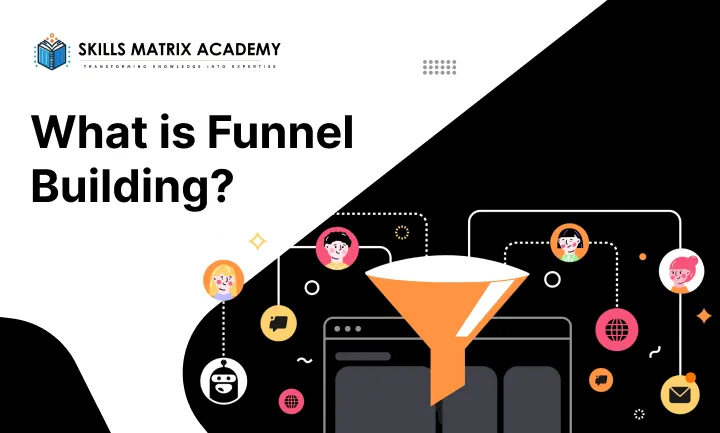
A sales funnel is simply the path a stranger takes to become your paying customer. Think of it like a road trip. You don’t jump from home to your destination in one second. You follow a route, stop at certain points, and eventually arrive.
In digital marketing, that journey looks like this. Someone discovers you, gets curious, trusts you, and finally buys from you.
Here’s a real-life example. Imagine you’re selling an online cooking course. A person sees your Instagram reel showing a quick pasta recipe. They follow you. You offer them a free “5 Dinner Recipes” ebook. They download it, love it, and start reading your emails. A week later, you send them an offer for your full cooking course. They buy it.
That entire journey from reel to purchase is your sales funnel. Understanding this customer journey is the first step in how to build a sales funnel that actually converts.
What is Conversion Rate Optimization (CRO)?
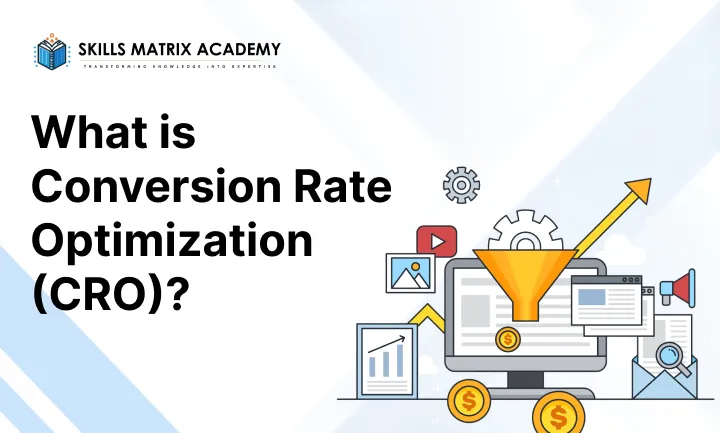
Conversion rate optimization means making more of your existing visitors take action without spending extra money on ads.
Here’s why it matters. If your landing page converts at 1% and you’re getting 1,000 visitors a month, you’re making 10 sales. Improve that to 3% with the right CRO techniques and you’re suddenly making 30 sales. Same traffic, three times the revenue.
CRO isn’t about tricks. It’s about understanding what’s stopping people from saying yes and removing those blockers one by one. According to industry benchmarks, the average landing page conversion rate across industries is around 2.35%, but top performers hit 5% and above. The gap between average and great is almost always in the optimization work.
Funnel Stages Explained
Top of Funnel (TOFU) — Awareness
This is where people first find you. They don’t know you yet. They’re scrolling social media, typing questions into Google, or watching YouTube videos. Your job here is to show up and be helpful.
Blog posts, short-form videos, Instagram reels, and Google Ads are all TOFU tools. You’re not selling here. You’re giving value and planting your name in their mind.
Middle of Funnel (MOFU) — Consideration
Now the person knows you exist. They’re thinking about their problem more seriously. This is where you use lead magnets, email marketing funnels, and free webinars to deepen the relationship.
A lead magnet could be a free checklist, a mini course, or a PDF guide. Something useful enough that they’ll happily give you their email address in exchange for it.
Bottom of Funnel (BOFU) — Conversion
This is where the magic happens. The person trusts you, understands your offer, and is ready to make a decision. Your sales page, limited-time offer, and strong call-to-action all live here.
A high converting landing page at this stage can be the difference between a $10,000 month and a $1,000 month.
Step-by-Step Funnel Building Process
Step 1: Identify Your Target Audience
Before you build anything, you need to know exactly who you’re building it for. What keeps them up at night? What are they searching for on Google? What frustrates them about existing solutions?
When you understand search intent, meaning what your audience actually wants when they type something into Google, you can create content and offers that feel like they were made just for them.
Step 2: Create a Lead Magnet
Your lead magnet is the entry point of your funnel. It should solve one specific problem quickly. An ebook, a checklist, a free template, or a 30-minute webinar all work well depending on your niche.
The key is that your lead magnet should be so genuinely useful that people feel like they got more value than they expected completely for free. That builds trust faster than any sales page ever will.
Step 3: Build Your Landing Page
Your landing page is where you present your lead magnet and ask for the email address. Keep it simple. One offer. One button. No distractions.
Tools like ClickFunnels, WordPress with Elementor, or even simple platforms like Carrd can help you build this without touching a single line of code. Focus on a clear headline, a benefit-driven subheadline, and a strong CTA button.
Step 4: Set Up Email Automation
Once someone signs up, your email sequence takes over. Start with a warm welcome, then send a few emails delivering value, and eventually introduce your paid offer.
The standard sequence looks like this: welcome, value, value, soft offer, strong offer. This is your email marketing funnel doing the selling while you sleep.
Step 5: Drive Traffic
Now bring people in. SEO brings free, long-term traffic. Google Ads brings fast, targeted traffic. Social media builds community and top-of-funnel awareness.
Most successful funnels use a mix of all three, but beginners can start with just one channel and scale from there.
Conversion Optimization Strategies
Improve Landing Page UX
If your page loads slow, people leave. Page speed and mobile optimization are not optional in 2026. Use Google PageSpeed Insights to check your score and fix whatever is slowing you down.
High-Converting Copywriting
Write about benefits, not features. Nobody cares that your course has 47 modules. They care that it will help them quit their 9-to-5 in 6 months. Speak to emotions. Address fears. Make the reader feel understood before you ever ask them to buy.
Add Social Proof
Testimonials, case studies, and real reviews do the selling for you. A single genuine testimonial from a customer who got results is more powerful than five paragraphs of your own writing. People trust people, not brands.
A/B Testing
Never assume. Test everything including your headline, your CTA button colour, and your email subject lines. Run two versions simultaneously and let the data decide which one wins. Gut feelings are great for inspiration but terrible for optimization.
User Behavior Analysis
Tools like Google Analytics and Hotjar show you exactly where people drop off. Hotjar’s heatmaps reveal what visitors click, scroll past, and ignore completely. This information is gold for improving your funnel step by step because you stop guessing and start knowing.
A Real Funnel Example That Works
Here’s how a complete digital marketing funnel looks in action.
A fitness coach runs an Instagram ad showing a 30-second tip for losing belly fat. The ad leads to a landing page offering a free “7-Day Fat Loss Meal Plan.” The visitor enters their email, downloads the PDF, and gets added to an email sequence.
Over 7 days, the coach sends helpful emails with recipes, mindset tips, and short workout ideas. On day 5, she introduces her 12-week coaching programme. On day 7, she adds a deadline to the offer. By day 8, she has made 15 new sales from that one ad campaign.
That is funnel building and conversion optimization working together in the real world.
Common Mistakes to Avoid
Many beginners make the same errors when building their first funnel. Having no clear CTA leaves visitors confused about what to do next. Too many steps in the funnel cause drop-offs at every stage. Ignoring mobile users means losing more than half your potential customers since most traffic today comes from phones. Skipping testing means you are guessing instead of growing, and guessing gets expensive very quickly.
Advanced Strategies for 2026
AI-powered funnels are changing the game. Tools can now personalise what a visitor sees based on where they came from, what they clicked, and what they have done before on your site. Chatbots qualify leads automatically before your sales team even gets involved.
Short-form content funnels built around TikTok or Instagram Reels are becoming one of the fastest ways to generate leads at low cost. Personalisation is no longer a bonus feature. It is expected. The more relevant your funnel feels to each individual visitor, the higher your conversion rate will climb.
Conclusion
Getting traffic is only half the battle. The real money lives inside a well-built funnel backed by strong conversion rate optimization strategies.
Start simple. Pick one audience, one lead magnet, one landing page. Build your email sequence. Drive traffic. Then test, improve, and scale. Every small improvement you make compounds over time into serious results.
The businesses winning online in 2026 are not the ones with the biggest ad budgets. They are the ones who understand their customer journey, respect their audience’s time, and continuously optimize every step of the funnel.
Now you have the map. Go build something.
FAQs
What is funnel building in digital marketing?
Funnel building is the process of creating a structured path that guides a potential customer from first discovering your brand all the way to making a purchase. It includes awareness content, lead generation, email nurturing, and a final sales offer.
How do you optimize conversion rates?
You optimize conversion rate optimization strategies by improving your landing page design, writing benefit-focused copy, adding genuine social proof, running A/B tests, and analyzing user behavior using tools like Hotjar and Google Analytics.
What is a good conversion rate?
A good conversion rate depends on the industry, but anything above 3% for a landing page is considered strong. Top-performing pages in competitive niches regularly hit 5% to 10% with the right CRO techniques in place.
Which tools are best for funnel building?
Popular tools include ClickFunnels, WordPress with Elementor, ActiveCampaign for email automation, Google Analytics for tracking, and Hotjar for behavior analysis. Beginners can start with free tools like Mailchimp and a simple WordPress site.

Bharat Arora
12+ years as a web developer, Bharat has worked in the biggest IT companies in the world. He loves to share his experience in web development.


Bharat Arora
12+ years as a web developer, Bharat has worked in the biggest IT companies in the world. He loves to share his experience in web development.