Introduction
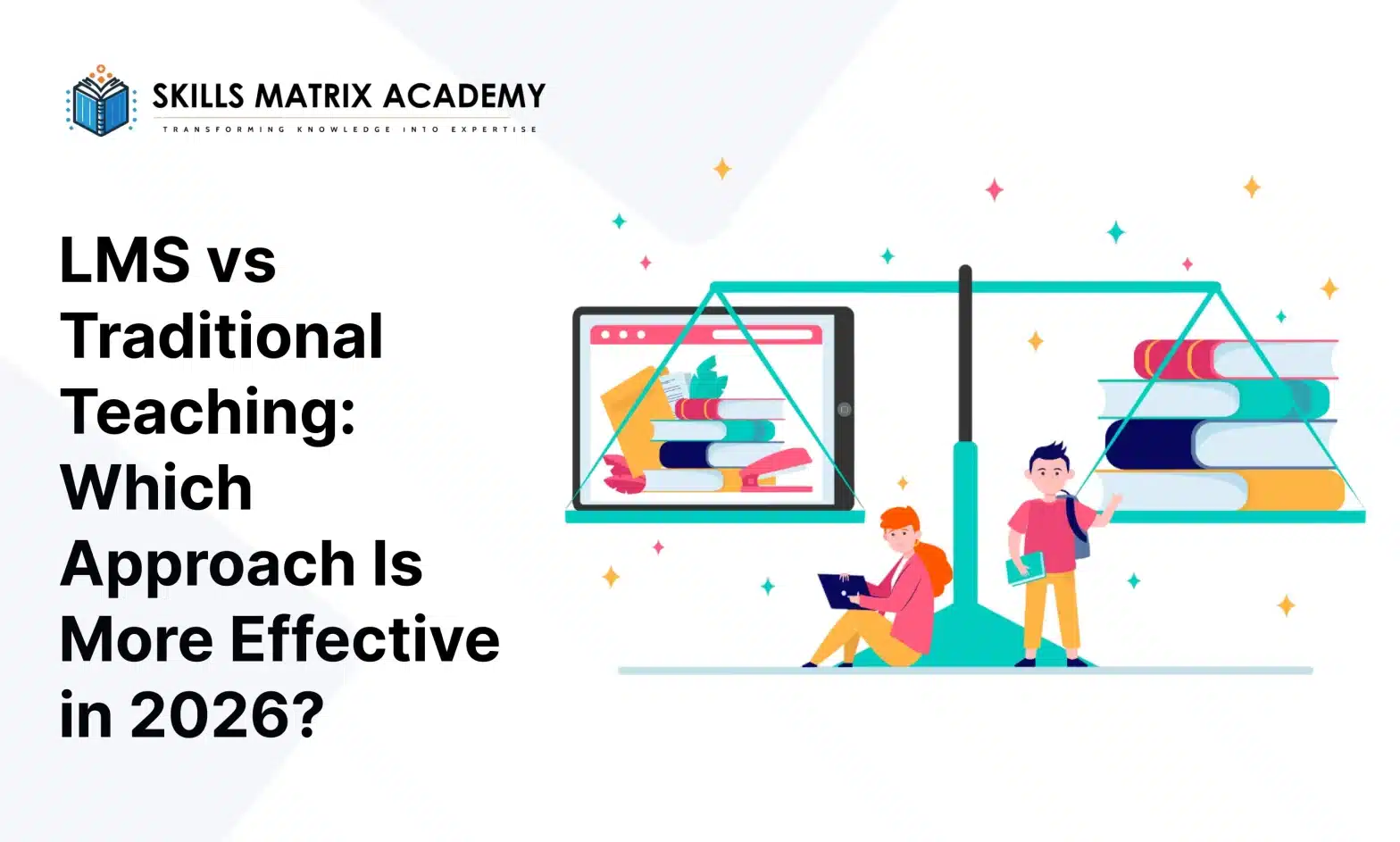
Education is changing — fast. A decade ago, the idea of replacing a classroom with a laptop felt radical. Today, millions of students log into digital platforms daily and learn things they never could have inside four walls. But does that make it better? The debate between LMS vs traditional teaching is real, and it matters more than ever in 2026.
This blog breaks it all down — honestly, practically, and without the jargon. Whether you are a student, a teacher, or a school administrator, this is for you.
Understanding Learning Management Systems (LMS)
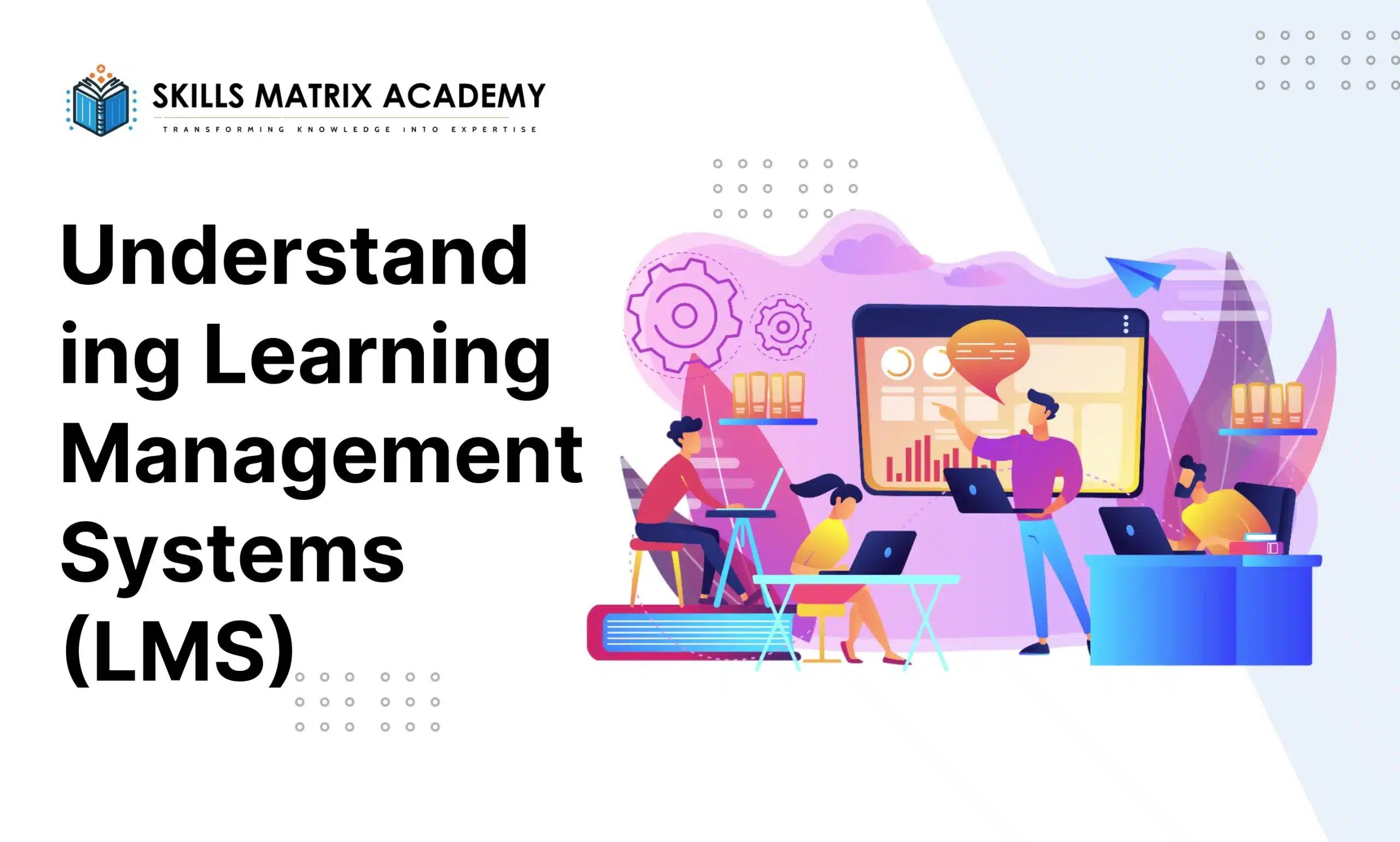
A Learning Management System, or LMS, is basically a digital classroom. It is a software platform where educators upload lessons, quizzes, videos, and assignments — and students access everything from their device, whenever it suits them. Popular examples include platforms like Moodle, Canvas, Google Classroom, and Blackboard.
What makes an LMS powerful is not just the technology. It is the freedom it gives. A student in a remote village can access the same content as someone sitting in a city. A working adult can study at midnight. A teacher can track who is struggling and step in before a student falls behind. That is the real promise of the LMS in education system.
The LMS benefits for students go beyond just convenience. These platforms support multimedia learning — think video lessons, interactive quizzes, discussion boards, and even AI-driven personalization. Learning becomes less passive and more engaging when done right.
Overview of Traditional Teaching Methods
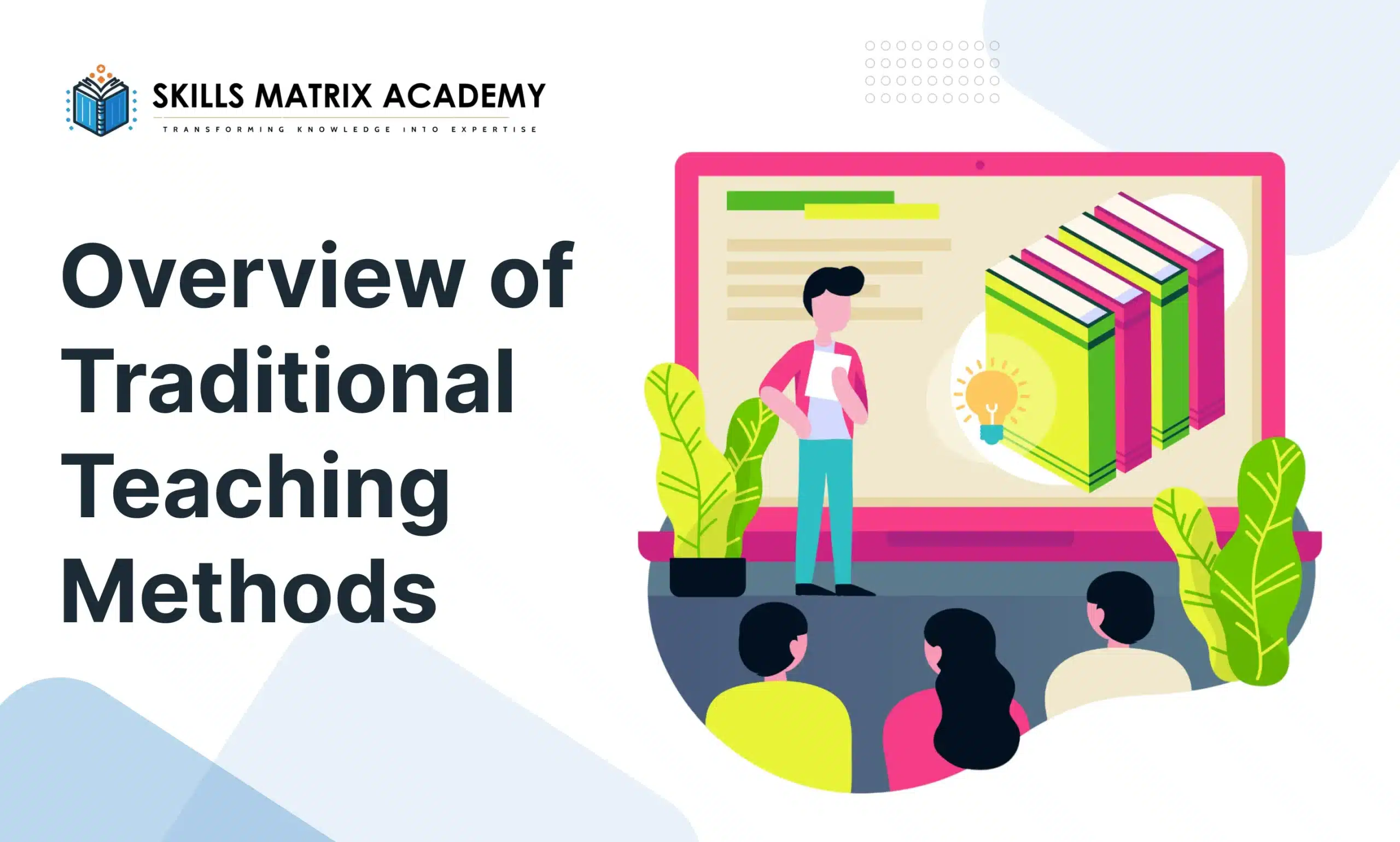
Traditional teaching is what most of us grew up with. A teacher stands at the front of a classroom, explains concepts, answers questions, and guides students through lessons in real time. It is structured, consistent, and built on the power of human connection.
There is something irreplaceable about a great teacher in a room full of curious students. The energy, the spontaneous discussions, the ability to read the room and adjust — these are things technology cannot fully copy. Traditional teaching advantages and disadvantages are well-documented, but the advantages often come down to one thing: relationships. When students feel seen and heard, they learn better.
That said, traditional classrooms have their limits. Fixed schedules, limited resources, large class sizes, and a one-size-fits-all approach can leave many learners behind. It does not matter how good the teacher is if the system is not built for individual needs.
The Shift Towards Digital Learning: Adoption of LMS
The COVID-19 pandemic forced schools worldwide to switch to online platforms overnight. What started as a crisis response quickly became a permanent shift. Schools, universities, and even corporate training programs realized that digital learning vs traditional education was no longer a future debate — it was a present-day reality.
By 2026, the global eLearning market is valued in the hundreds of billions. Schools are not just experimenting anymore — they are committing. The adoption of LMS is not slowing down; it is accelerating. And students, especially Gen Z and Gen Alpha learners, are digital natives who feel more at home on a platform than in a lecture hall.
Education technology trends 2026 show a clear pattern: institutions that blend digital tools with human instruction consistently outperform those using only one approach.
Key Advantages of LMS Over Traditional Teaching
Flexibility and Accessibility That Actually Matter
Online learning vs classroom learning often comes down to one word: access. An LMS removes the barriers of geography, time, and even disability. A student with mobility challenges, a parent juggling work, or a learner in a rural area — all of them get equal access to quality content. That is a big deal. The LMS vs Traditional Teaching comparison often tips here, simply because accessibility opens doors that classrooms sometimes close.
Self-Paced Learning That Fits Real Life
Not everyone learns at the same speed. Some students grasp algebra in five minutes. Others need five attempts. In a traditional classroom, the lesson moves on regardless. An LMS lets learners pause, rewind, and revisit. This is one of the strongest advantages of LMS over traditional classroom learning — it respects the learner’s individual pace without embarrassment or pressure.
Cost Efficiency and Scalability
Running a physical school is expensive. Buildings, transport, printed materials, maintenance — the costs add up. Learning Management System vs traditional learning platforms can serve thousands of students at a fraction of the cost. For institutions and governments trying to scale education quickly, this is a game-changer. Online course management makes it possible to train entire workforces, upgrade entire school systems, and reach underserved communities without building a single new classroom.
Data-Driven Insights
One area where digital learning vs traditional education shows a clear edge is analytics. LMS platforms track everything — time spent, quiz scores, drop-off points, engagement rates. Educators can spot a struggling student before they even raise their hand. This kind of early intervention is nearly impossible in a large traditional classroom. Student engagement in digital learning can be measured, adjusted, and improved in real time.
Interactive, Multimedia Learning
Traditional teaching often relies on a textbook, a whiteboard, and a teacher’s voice. An LMS brings in videos, simulations, gamification, and collaborative tools. For many learners — especially visual and kinesthetic types — this makes a significant difference. Benefits of eLearning for students are most visible here: engagement goes up, retention improves, and learning feels less like a chore.
Limitations of Both Approaches
Challenges of LMS
No platform is perfect. Pros and cons of LMS in education always include a few real challenges that cannot be ignored. The biggest one is self-discipline. Without a teacher physically present, many students struggle to stay on track. Distractions are everywhere online. There is also the issue of digital fatigue — staring at a screen for hours is exhausting, and it affects learning quality.
Then there is the digital divide. Not every student has a reliable device or stable internet. Talking about LMS vs Traditional Teaching without acknowledging this gap is incomplete.
- Requires strong self-motivation to complete courses
- Limited face-to-face emotional connection with teachers
- Technology dependence can be a barrier in underserved areas
- Risk of screen fatigue during long learning sessions
Challenges of Traditional Teaching
The traditional teaching advantages and disadvantages conversation often highlights inflexibility as the biggest weakness. Fixed class times, standardized syllabi, and limited personalization leave many students behind — especially those who learn differently. Operational costs are also high, and scaling quality education through traditional means alone is nearly impossible in growing populations.
- One-size-fits-all teaching rarely meets every learner’s needs
- High infrastructure and operational costs
- Slower adoption of new education technology trends
- Limited scalability for large or geographically spread student populations
Which Is Better: LMS or Traditional Teaching in 2026?
Honestly? Neither one wins alone. The difference between LMS and traditional education system is not about one being superior — it is about what each does well and where each falls short. The real answer in 2026 is the blended learning model.
A blended approach combines the human warmth and structure of classroom teaching with the flexibility and data power of an LMS. Students get the best of both worlds — real relationships with teachers and the freedom to learn on their own terms. This is why benefits of blended learning model in education are being discussed at every major education conference right now.
Schools that are thriving in 2026 are not choosing between the two — they are weaving them together. A teacher leads a discussion on Monday, students explore deeper content through an LMS on Tuesday, and everyone reflects together on Wednesday. That rhythm works.
Why LMS is important in modern education comes down to this: it does not replace teachers. It makes them more effective. And when teachers are more effective, students learn more. That is the real win.
Conclusion
The question of LMS vs Traditional Teaching does not have a single right answer — and that is okay. Education has always evolved. Chalkboards replaced slates. Projectors replaced chalkboards. LMS platforms are the next step, not the last one.
What matters most is not the tool but the intention behind it. Are students learning? Are they engaged? Are teachers empowered? If the answer is yes, it means the approach is effective.
In 2026, the smartest institutions are those that stop asking “which is better” and start asking “how do we use both well.” That shift in thinking is where the future of education begins.
Frequently Asked Questions (FAQs)
- Can LMS fully replace traditional teaching methods?
No, and it probably should not. An LMS works best alongside traditional teaching, not instead of it. Human connection, mentorship, and real-time guidance are things technology cannot fully replicate. The two work far better together than either does alone.
- Which learning method is more effective for students?
It depends on the learner. Self-motivated, tech-comfortable students often thrive on LMS platforms. Students who need structure and social interaction may do better in traditional settings. For most people, combining both methods delivers the best results.
- Is traditional teaching vs online learning effectiveness really measurable?
Yes — through engagement rates, test scores, retention data, and long-term knowledge application. Research consistently shows that blended models outperform both pure online and pure classroom instruction for most learner types.
- Is LMS suitable for younger learners?
Yes, with proper guidance. Younger students benefit from parental involvement and teacher supervision when using LMS platforms. The tools work well when they supplement, rather than replace, direct instruction.
- What is the future of education: LMS or traditional teaching?
The future is hybrid. No single approach will dominate. Schools, universities, and training programs are moving toward blended models that combine the personalization and scale of LMS with the human depth of classroom teaching.

Bharat Arora
12+ years as a web developer, Bharat has worked in the biggest IT companies in the world. He loves to share his experience in web development.


Bharat Arora
12+ years as a web developer, Bharat has worked in the biggest IT companies in the world. He loves to share his experience in web development.