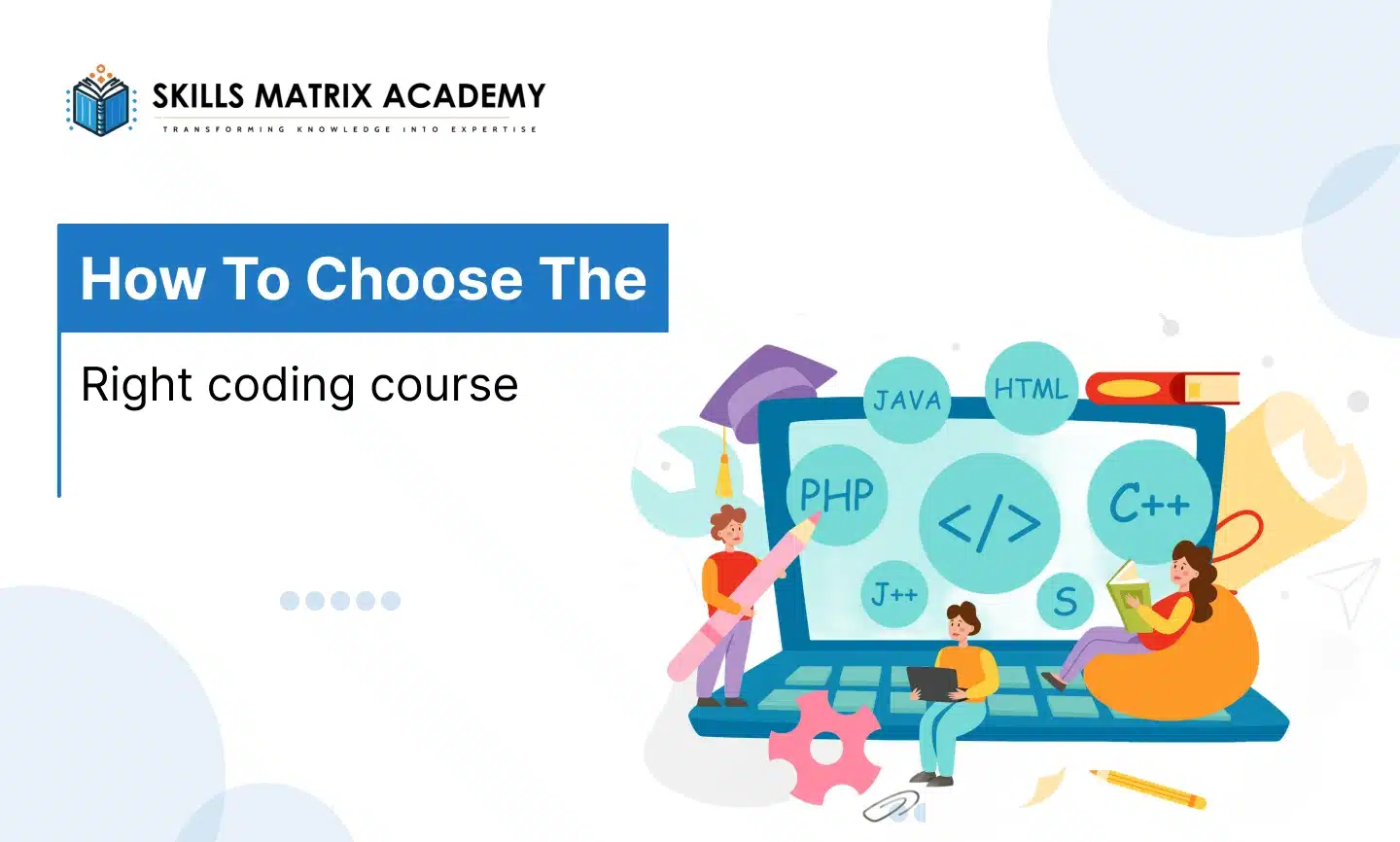
Learning to code is no longer just for tech people. It is a doorway to a brand-new life. Whether you want to change careers, help your child with coding classes, or just see how apps work, you are in the right place.
But here is the problem. There are thousands of online coding courses. It is easy to get overwhelmed. How do you know which one is the best online coding course for you? This coding-for-beginners guide will show you exactly how to choose the right path without wasting time or money. Finding the best programming course isn’t just about price; it’s about finding the right fit for your brain.
In 2026, the tech world is moving faster than ever. AI is now a part of every developer’s toolkit. If you want to learn programming from scratch, you need a guide that reflects today’s reality. Let’s dive deep into the ultimate strategy for mastering code this year.
Why Do You Want to Learn Programming?
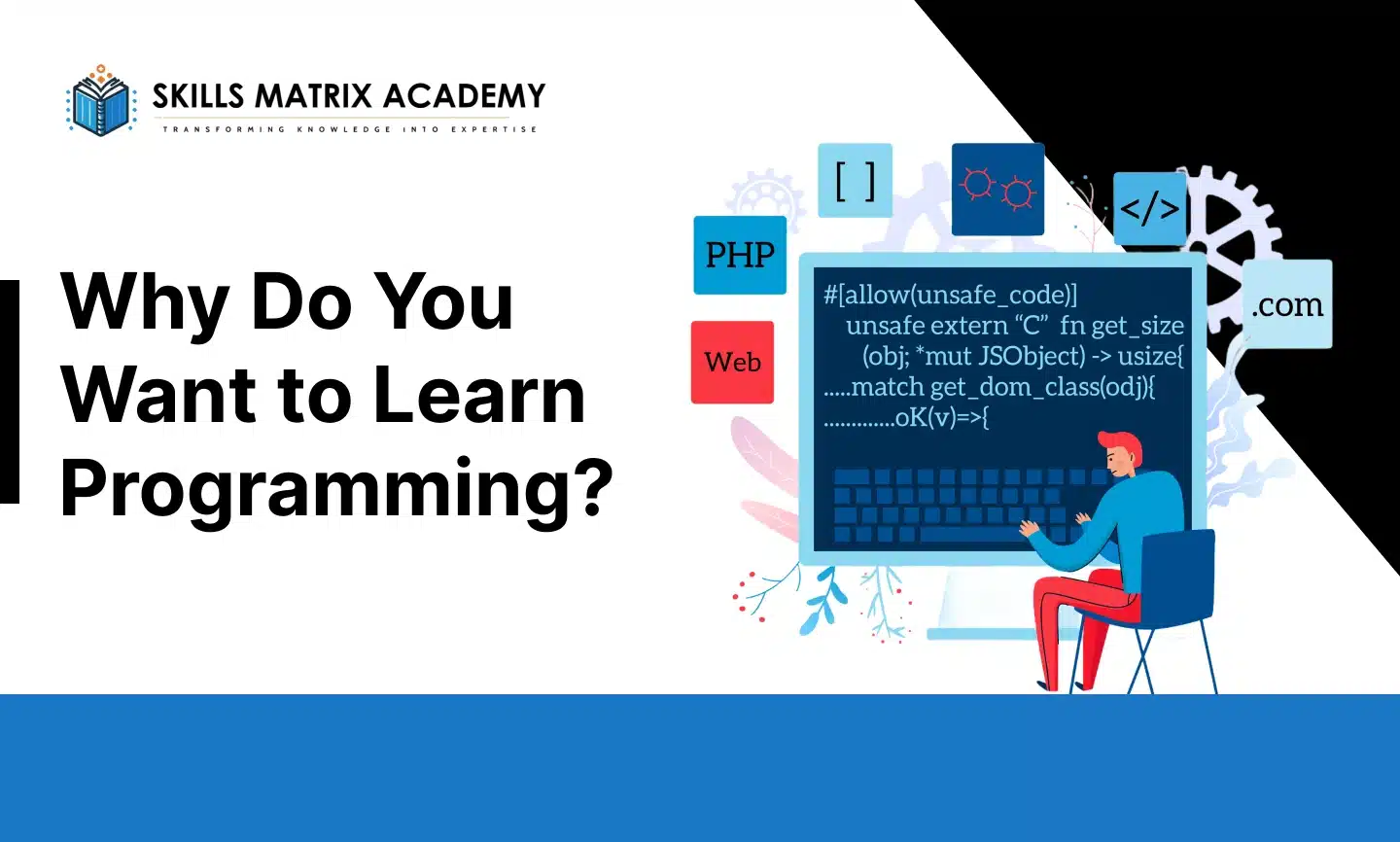
Before you write your first line of code, you need a plan. If you want to learn programming from scratch, you must identify what kind of developer you want to become. Are you dreaming of building the next big social media site? Then you should look into online web development courses. Do you want to build software like Microsoft Office? That requires the skills of a desktop app developer.
If you want to handle massive amounts of data for big companies, focus on systems programming. If you love gaming, then game development courses are your best bet. Many people want to learn coding online, but don’t yet have a specific goal. If that sounds like you, don’t worry. Start with a simple brainstorm. Ask yourself if you want a new career or just general knowledge. Identifying your path is the first step toward finding the best programming course for your specific needs.
Identifying the Right Career Path
Your career goals will dictate which beginner programming courses you should take. Picture the type of company you’d like to work for. What languages do they use? Is that language popular in other fields? You should also check if there are enough resources to help you. A language that has been around for a long time usually has a bigger community to support you.
Here is a quick breakdown of languages and their uses:
- Java: This is the heavy hitter for enterprise-level server apps and is a staple in any Java programming course.
- Kotlin/Swift: These are the go-to choices for modern mobile app development courses.
- C++: Used for high-performance games and operating systems; learn this via C++ programming basics.
- Python/Ruby: Perfect for the back-end of websites and data science courses online.
- JavaScript: The undisputed king of any front-end development course.
- Go (Golang): A rising star for cloud infrastructure and microservices in 2026.
Why Choose Online Coding Courses?
Why should you learn coding online instead of going to a traditional school? The answer is simple: flexibility. With online coding classes for kids and adults, you can learn at your own pace. If a concept is hard, just hit pause and re-watch the video. This is something you can’t do in a crowded classroom.
Most online coding courses are also very affordable. You can find many free coding courses that are just as good as expensive ones. Plus, you get access to global platforms and the best instructors in the world. Most coding courses for beginners assume you have zero experience. You don’t have to be great at math to begin coding. You just need a laptop and a desire to learn. Finding the best programming course in a sea of options starts with knowing your learning style.
1. Determine Your Goals and Motivation
Be clear about your reason for doing this. Are you looking to change your coding career? Do you want to create your own side project? Or maybe you need to pass a coding interview preparation test for a big tech company. Your “why” changes everything.
In 2026, companies care more about what you can build than where you went to school. If your goal is a high-paying job, look for a full-stack development course that emphasizes data structures and algorithms. If you are a parent, look for online coding classes for kids that focus on “computational thinking” rather than just memorizing syntax. The best programming course is the one that keeps you coming back every single day.
2. Assess Your Current Skill Level
Be honest with yourself. If you are brand new, look for beginner programming content. Don’t jump into an advanced C++ programming basics course if you don’t know what a variable is. Most platforms label their courses as Beginner, Intermediate, or Advanced.
Starting at the right level prevents burnout. If a course is too hard, you might quit. If it’s too simple, you’ll lose interest. Find that “Goldilocks” zone where you feel challenged but not defeated. This is the secret to staying motivated while you learn programming from scratch. Often, the best programming course for a newbie is one that starts with the very basics of logic.
3. Choose the Right Programming Language
The language you pick is your first major tool. Python for beginners is a top recommendation because it reads like English. It is used in AI, data science, and web work. On the other hand, JavaScript for beginners is essential if you want to make websites interactive.
- Python: Still the easiest language for beginners in 2026. Great for AI and automation.
- JavaScript: The gateway to everything on the web. Essential for front-end development course fans.
- Go: Modern and perfect for cloud development.
- Swift: The entry point for making iOS apps.
- Java: The backbone of big banking and enterprise systems.
If you want to build a career in India, platforms like Coding Courses India often emphasize Java and C++ because of the massive product industry there. When you learn Python online, you open doors to thousands of job openings globally in the AI sector. Searching for the best programming course usually leads people to Python or JavaScript first.
4. Consider the Learning Format
How do you learn best? Some people love interactive coding tutorials where you type code directly into the browser. Others prefer project-based coding courses where you build a real app from start to finish. There are also online coding bootcamps that are very intense and fast-paced.
Consider which format aligns with your life:
- Video Lectures: Best for visual learners who want to learn coding online at home.
- Interactive Tutorials: Ideal for hands-on learners who want instant feedback.
- Project-Based Learning: The “gold standard” for building a portfolio.
- Live Online Classes: Best for people who need the social pressure of a teacher.
5. Evaluate Course Content and Curriculum
Before you pay for anything, look at the coding course syllabus. Does it cover the fundamentals? A good course should teach you more than just syntax. It should teach you how to think like a coder. In 2026, a modern syllabus must include instruction on using AI coding assistants responsibly. The best programming course will always bridge the gap between theory and real-world application.
For those preparing for big tech jobs, the course must cover:
- Data structures and algorithms course fundamentals.
- Time and space complexity analysis (Big O notation).
- System Design for building large-scale apps.
- Mock interview practice to handle high-pressure questions.
6. Look for Quality Instructors and Updated Content
Who is teaching the course? You want someone with real-world experience. Check if the instructor has worked in the tech industry. The best coding platforms usually hire experts who understand current trends. Tech changes fast, so you need updated content.
An outdated Python-for-beginners course might teach you old ways of doing things that no longer work in 2026. Read the instructor’s bio and see if they have a YouTube channel or a blog. This gives you a feel for their teaching style. A good teacher makes complex topics feel simple, which is a hallmark of the best programming course.
7. Check for Support and Community
You will get stuck. It’s a fact of coding. When that happens, you need help. Look for online coding courses that offer Q&A forums or Discord communities. Some even offer mentor support or office hours.
Having a community of peers who code makes the journey less lonely. You can share your wins and get help with your bugs. Some online coding academy platforms even use AI to give you instant feedback on your code. This is a game-changer for beginners who don’t want to wait 24 hours for a forum reply.
8. Consider the Time Commitment and Flexibility
How much time do you have? If you have a full-time job, self-paced coding courses are your best friend. You can study at 2 AM or on your lunch break. There are no deadlines, so there is no stress.
If you need more structure, look for a front-end development course with weekly assignments. This keeps you accountable. Online coding bootcamps are the most demanding, often requiring 40+ hours a week. Choose a format that fits your life so you don’t burn out after two weeks.
9. Explore Free Resources and Trial Periods
You don’t need to spend a fortune to learn coding online. There are amazing free coding courses and tutorials available. Use these to “test drive” a language before you buy a premium course.
Check out sample lessons or free trials on the best coding platforms. This lets you see if you like the instructor’s voice and the platform’s interface. It is a smart way to find affordable coding courses that actually deliver value. Don’t forget that many universities also offer free open courseware from places like MIT and Harvard. Often, a free trial is the easiest way to verify if you’ve found the best programming course for your goals.
10. Read Reviews and Testimonials
What are other students saying? Look for a section on coding course reviews. Pay attention to comments about the pacing and the quality of the materials. Did other students actually get jobs after completing the full-stack development course?
Don’t just look at the 5-star reviews. Look at the 3-star and 4-star reviews to see the honest pros and cons. This helps you understand what to expect. If many people complain that the support is slow or the content is dry, it’s a sign to look elsewhere.
11. Consider the Cost and Value
Price shouldn’t be the only thing you look at, but it still matters. Compare the pricing of different courses. Some of the best online coding courses cost $15, while high-end bootcamps can cost $15,000.
Think about your return on investment. If a back-end development course costs $200 but helps you get a $60,000 job, it’s a steal. Always weigh the features against your specific career goals. Sometimes, a cheaper course with a great community is the best programming course for your budget.
12. Look for Hands-On Projects and Portfolio Building
Practical experience is crucial in coding. Courses with real-world projects help you build a strong portfolio. In 2026, your portfolio is your resume. Look for coding courses with projects that mimic real-world scenarios, like building an e-commerce site or a social media clone.
- Guided Projects: Step-by-step help to build your first apps.
- Independent Projects: Challenges that force you to think for yourself.
- Collaborative Coding: Learning to work with others using Git and GitHub.
Platforms focused on coding interview preparation, like AlgoCademy, often include problem sets and coding challenges similar to those you might encounter at Google or Amazon.
13. Check for Certification and Accreditation
While not always necessary, a coding course with a certificate can add credibility to your learning. It shows you have the discipline to finish what you start. However, in the tech industry, practical skills and portfolio projects often carry more weight than certifications alone.
If you are a professional, an online coding certification from a well-known university might carry more weight. For beginners, focus on the skills first. Use the certificate as a “nice to have” bonus rather than the main reason for picking a course.
14. Evaluate the Technology and Tools Used
The platform and tools you use can make a big difference in your learning experience. Look for courses that offer:
- User-friendly interfaces: You shouldn’t need a PhD just to navigate the website.
- Integrated Development Environments (IDEs): Built-in editors let you code in the browser.
- Version Control: Learning Git is essential for any coding skills for jobs.
- AI Assistance: Modern platforms use AI to help explain error messages in simple terms.
15. Consider Specialization and Career Paths
If you have a clear career goal, choose courses that match that path. Some specialized areas include:
- Web development (front-end, back-end, or full-stack)
- Mobile app development for iOS and Android.
- Data science and machine learning using Python.
- Game development using C# or C++.
- Cybersecurity for protecting data.
Courses focused on algorithmic thinking and problem-solving are particularly valuable for those aiming for positions at major tech companies known for rigorous technical interviews.
16. Look for Adaptive Learning Features
Advanced online learning platforms in 2026 often incorporate adaptive learning technologies. These features personalize the learning experience based on your speed.
- AI-powered recommendations: The system knows when you are struggling.
- Personalized learning paths: Skip the parts you already know.
- Adaptive difficulty: Exercises get harder as you get better.
- Performance Analytics: See exactly where you stand.
17. Consider the Long-Term Learning Path
Learning to code is an ongoing journey. Look for platforms that offer:
- Clear progression from beginner to advanced levels.
- Multiple courses within the same ecosystem.
- Regular updates to keep content fresh.
- Advanced topics for when you are ready to go pro.
This approach allows you to continue your education on a single platform as your skills grow. It’s much easier than switching between different resources every month.
Master the Art of “Learning How to Learn
In 2026, writing code is just one part of the journey. The true skill is learning how to solve problems. Don’t just watch videos; break things. Spend time reading error messages. Use AI to guide you, not to do everything for you. Ask it why a piece of code works instead of just asking it to write it for you.
Building a successful career through learning-to-code programs for career change takes time. Most people take 6 to 12 months to become job-ready. Stay consistent, join a community, and don’t be afraid of the “red squiggly lines” in your editor. Every error is a lesson on your way to completing the best programming course on the market.
Conclusion
Finding the best online coding courses is about matching your goals with the right tools. Whether you are looking for coding classes for kids or a back-end development course for yourself, the journey starts with one step. Start small, stay consistent, and keep building.
In the world of tech, your curiosity is your greatest asset. Don’t wait for the “perfect” moment to start. Choose a course, build your first “Hello World” program, and see where the path leads you.

Bharat Arora
12+ years as a web developer, Bharat has worked in the biggest IT companies in the world. He loves to share his experience in web development.

Bharat Arora
12+ years as a web developer, Bharat has worked in the biggest IT companies in the world. He loves to share his experience in web development.