Let’s be honest. Managing every single customer interaction by hand is impossible. You have a business to run. You have products to build. You cannot spend every waking hour hitting “send” on emails. This is where drip marketing changes the game. It is the secret weapon of the world’s most successful brands. It allows you to talk to your customers while you sleep.
This guide covers everything you need to know. We will look at drip marketing examples that actually work. We will explore how to build lead-nurturing campaigns that turn strangers into fans. Best of all, we will show you how to do it without sounding like a robot.
What is Drip Marketing?
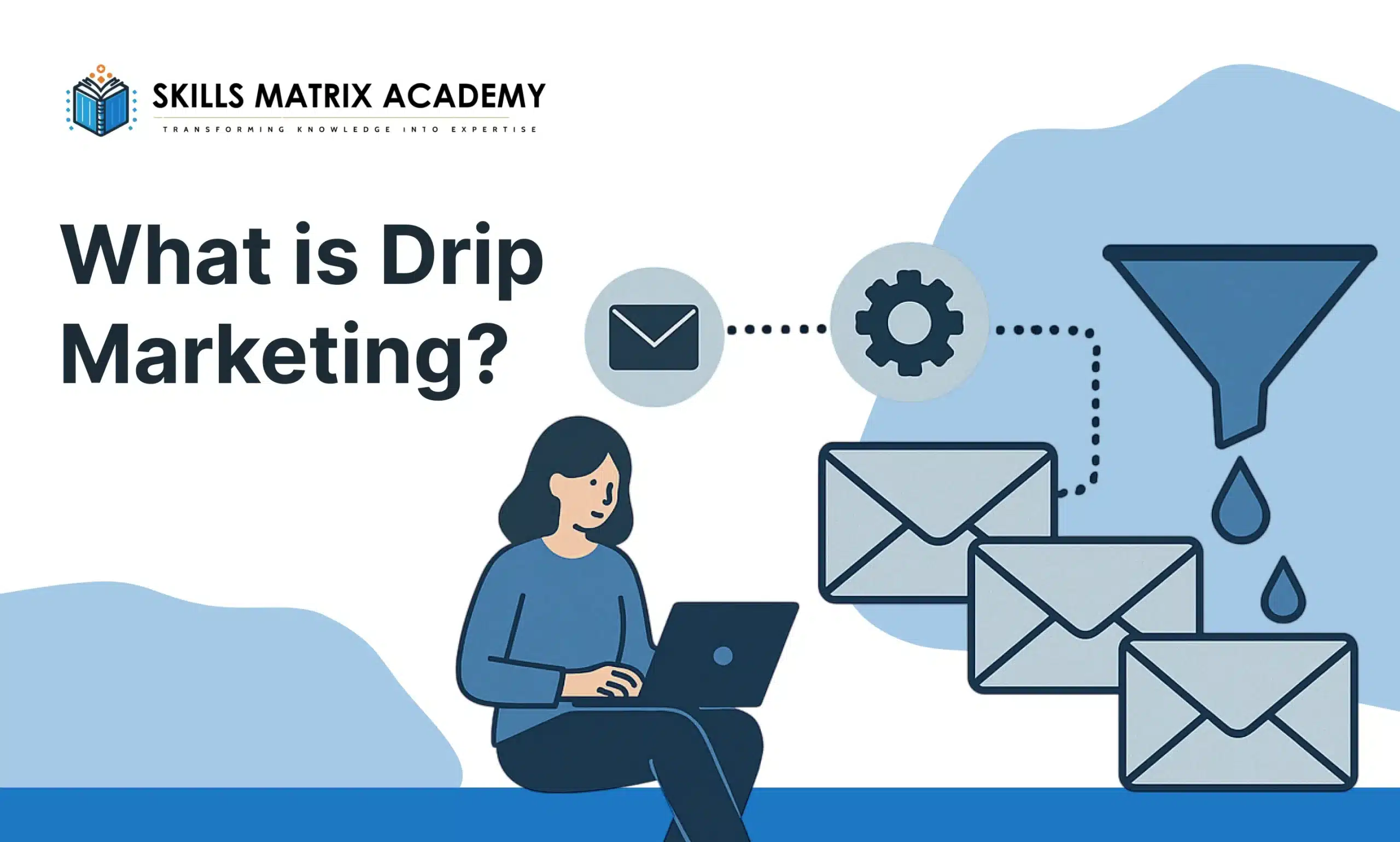
If you are wondering, “What is drip marketing?” think of a leaky faucet. It delivers water one drop at a time. In the marketing world, it works the same way. Drip marketing is a strategy where you send a pre-written set of messages to customers over time. These are not random blasts. They are automated email marketing messages sent based on specific triggers or schedules.
Some people call it an email drip campaign or marketing automation. No matter the name, the goal is the same. You want your brand to stay top-of-mind with your audience. You want to give them the correct information at the exact moment they need it. It is about moving people through the customer journey automation process naturally.
When you use a welcome email series, you are using drip tactics. When you send a discount code three days after someone leaves a cart, that is also a drip. It is personalized email marketing at its finest because it responds to the user’s actions. It is not about shouting at a crowd; it is about whispering to an individual.
How Drip Marketing Works in the Real World
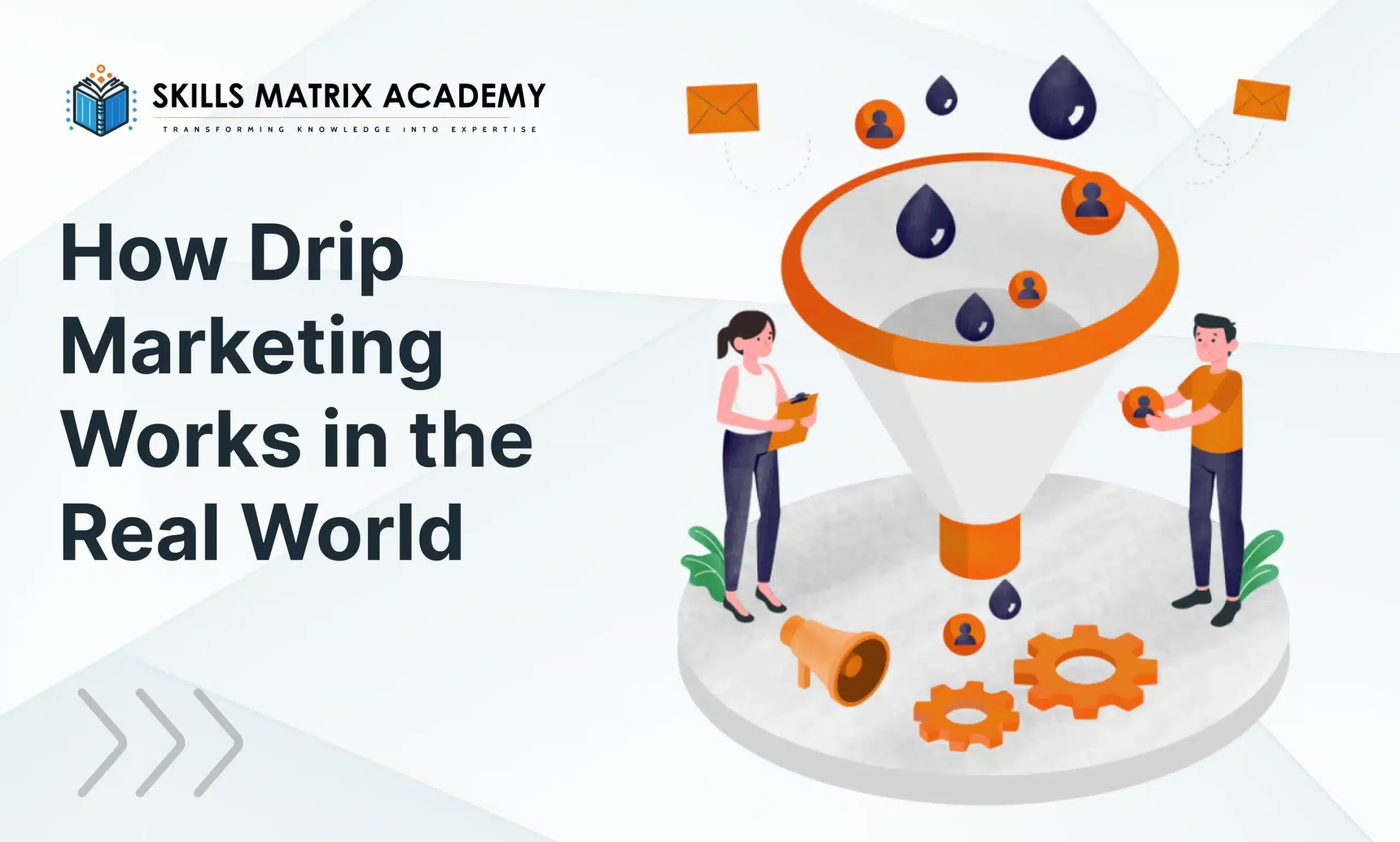
To understand drip marketing, you have to understand the email marketing workflow. It all starts with a trigger. A trigger is an action a user takes. This could be signing up for a newsletter, downloading an eBook, or buying a pair of shoes. Once that trigger happens, your marketing automation software takes over.
The software follows the rules you created. For example, it sends Email 1 immediately. Then, it waits two days. If the user clicks a link in Email 1, it sends Email A. If they didn’t, it sends Email B. This is what we call behavior-based emails. You are tailoring the experience to the user’s interest. It makes your brand look competent and attentive.
Most drip marketing campaigns focus on steady communication. You don’t want to overwhelm people. If you send ten emails in one day, they will hit the “unsubscribe” button. But if you send one helpful tip every few days, they will start to trust you. This trust is the foundation of every successful lead nurturing email strategy.
Why Should You Care About Drip Campaigns?
The most significant benefit of an email drip campaign is efficiency. Create it once, and it keeps doing the work. It is like having a sales rep who works 24/7 and never asks for a coffee break. Because the messages are trigger-based email campaigns, they are highly relevant. Relevance is key to high open rates and better click-through rates.
Another reason is brand recall. People are busy. They might visit your site once and forget you exist. Drip marketing keeps your name in their inbox. It builds a long-term relationship. Instead of a hard sell, you are providing value over time. This makes the eventual “ask” feel much more natural.
Finally, it drives more revenue. Emails designed to convert and sent at the right time perform much better. You aren’t guessing what the customer wants. You are responding to their actions. When you align your content with their needs, your sales will naturally go up. It is the most innovative way to scale your outreach.
Common Types of Drip Marketing Campaigns
Not all drips are created equal. Different goals require different sequences. Here are the most common types:
- Welcome Email Series: This is your first impression. Use it to introduce your brand, deliver a promised lead magnet, and set expectations for the future.
- Onboarding Email Sequence: This helps new users get started. If you have a software product, show them how to use the key features so they don’t get frustrated.
- Lead Nurturing Campaigns: For people who aren’t ready to buy yet. You provide case studies, tips, and social proof to build their confidence in your solution.
- Re-engagement Email Campaign: Sometimes users go quiet. A “we miss you” email or a special discount can bring them back to your site.
- Post-purchase Email Sequence: The sale isn’t the end. Send a thank you note, ask for a review, or suggest a product that complements what they just bought.
Real-World Drip Marketing Examples
Let’s look at some drip campaign examples to see how this looks in action. Imagine an E-commerce store selling organic coffee. Their drip marketing starts when a user signs up for a 10% discount.
- Email 1 (Day 0): The welcome email with the discount code and the brand story.
- Email 2 (Day 2): A guide on how to brew the perfect cup of French press coffee.
- Email 3 (Day 5): A testimonial from a happy customer talking about the flavor.
- Email 4 (Day 7): A final reminder to use the discount code before it expires.
In the SaaS world, drip marketing examples look a bit different. A project management tool might focus on education. Their sequence starts when a user signs up for a free trial. They send a welcome email series that highlights the most popular feature. Two days later, they sent a video tutorial. If the user hasn’t created their first project, the system sends a nudge. This is customer engagement emails done right.
A digital marketing agency might use lead-nurturing emails to land big clients. They start by offering a free SEO audit. Once the user downloads the audit, the drip begins. They send a series of “how-to” guides and “industry secrets.” By the time the agency asks for a consultation, the lead already views them as an expert. This is the power of a well-timed email automation strategy.
Best Practices for Better Results
To make your drip marketing work, follow a few simple rules. First, keep it short. People don’t read long essays in their inbox. They scan. Use short sentences and big ideas. Use bold text to highlight your main points. Always make sure your emails look good on a phone, as most people check their mail there.
Second, focus on one goal per message. Don’t ask them to read a blog, follow you on Instagram, and buy a product all in one email. It’s too much. If the goal of the email is to get a click, make that the star of the show. Use a clear button or a simple link. This keeps the user focused and improves your conversion rates.
Third, personalize everything. Most marketing automation tools let you use the person’s name. But don’t stop there. Use their behavior too. If they looked at a specific category on your site, send them a drip marketing message about that category. The more “human” and tailored the email feels, the better it will perform.
Tools for Your Email Automation Strategy
You don’t need to be a coder to start with drip marketing. There are many tools designed for beginners and pros alike. Most email service providers (ESPs) have built-in automation features. These tools help you build your email marketing workflow using a simple drag-and-drop interface.
You can see exactly who opened your emails and who clicked your links. This data is gold. It tells you what is working and what is a waste of time. Most platforms also allow for A/B testing. This means you can try two different subject lines to see which one gets more opens. Over time, these small wins add up to massive growth for your business.
Drip Marketing vs. Traditional Email Blasts
Traditional email marketing is like a megaphone. You send a single message to everyone at once. It’s loud, and it’s often ignored. Drip marketing is more like a conversation. It is specific to the person receiving it. Because it is automated email marketing, it is much more efficient than sending manual updates.
Traditional emails are often one-and-done. Drip marketing campaigns are a journey. They build momentum. Each email builds on the last one. This creates a cohesive brand story. When you use trigger-based email campaigns, you are meeting the customer where they are, rather than forcing them to meet you.
Final Thoughts on Drip Marketing
In the end, drip marketing is about being helpful. It is about building a bridge between your business and your customers. When you deliver value through lead-nurturing campaigns, you earn their trust. Using drip marketing examples from successful brands helps you avoid rookie mistakes.
The best time to start your first email drip campaign was yesterday. The second-best time is today. Start with a simple welcome email series. Watch how your audience responds. Listen to their feedback and adjust your strategy. Over time, you will see that drip marketing is the most effective way to grow your business sustainably.
Keep your sentences short. Keep your value high. And most importantly, keep your messages dripping. This is how you build a brand that lasts. If you want to master marketing automation, you have to be willing to test and learn. Success doesn’t happen overnight, but with the right drip marketing strategy, it is only a matter of time.

Bharat Arora
12+ years as a web developer, Bharat has worked in the biggest IT companies in the world. He loves to share his experience in web development.


Bharat Arora
12+ years as a web developer, Bharat has worked in the biggest IT companies in the world. He loves to share his experience in web development.