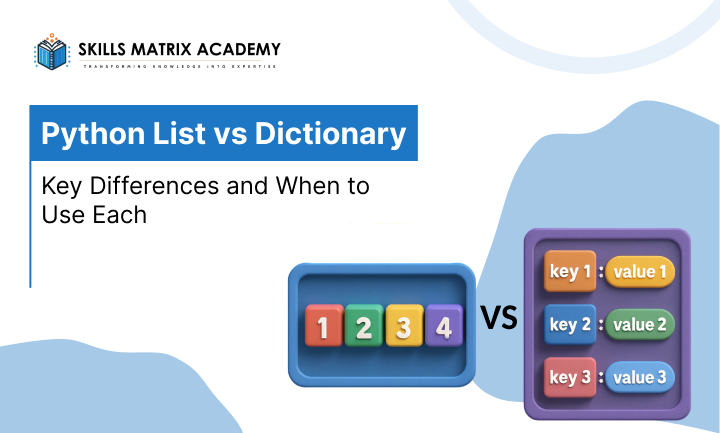
Python is popular because it is easy to learn and simple to use. It is also very powerful. One primary reason is its support for Python’s built-in data structures. These structures help developers store, manage, and use data efficiently. This is why Python is widely used in real-world projects and for Python programming basics.
Among all Python data structures, two are used most often. These are the Python list and the Python dictionary. They look simple, but they handle a wide range of data. Understanding lists vs dictionaries in Python helps you write clean and fast code. This guide explains the difference between a list and a dictionary in Python in a clear and beginner-friendly way.
What Is a List in Python?
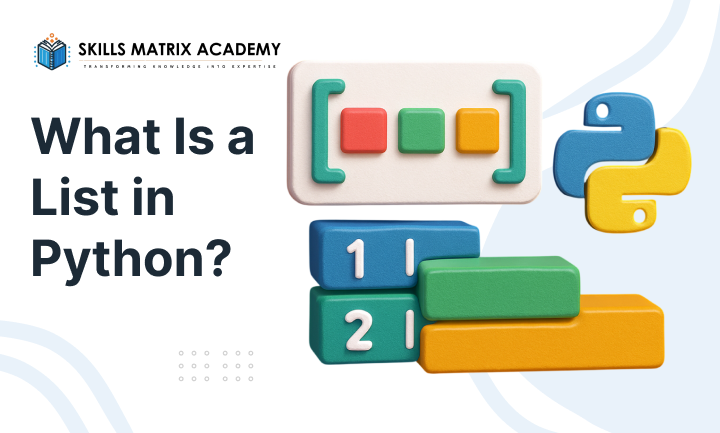
A list in Python is a collection of items stored in a specific order.Every element has its own position, called an index. This makes Python list indexing easy to use. Lists are part of mutable data structures in Python, which means you can change them anytime.
The list data structure in Python is written using square brackets [ ]—Commas separate values. A list can store numbers, strings, or even other lists. This gives it versatility and makes it handy for many tasks.
A Python List is often used when:
- Order matters
- You need to add or remove items
- You want simple data storage
This is why Python list features include flexibility and ease of use. Many developers rely on Python list operations like append, remove, and extend.
Python list example:
my_list = [11, 22, 33, 44]
print(my_list)
What Is a Dictionary in Python?
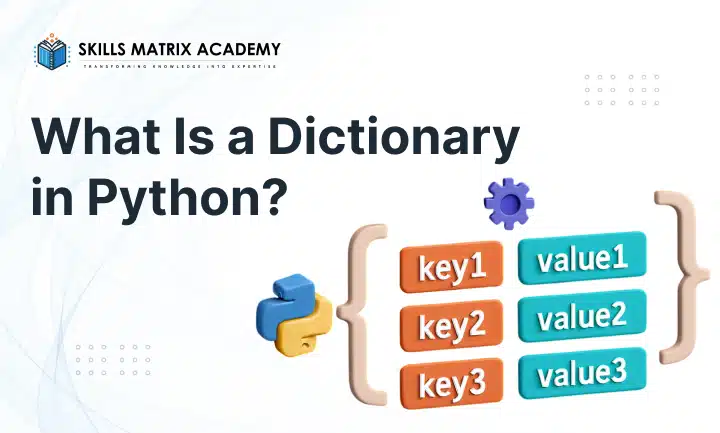
A dictionary in Python explained stores data in key-value pairs. It does not rely on order. Instead, each value connects to a unique key. This makes searching very fast. A Python dictionary is also mutable, so changes are easy.
The dictionary data structure in Python uses curly brackets { }. Each key links to a value using a colon:. Keys are case-sensitive and always unique. This structure is part of the core Python collections.
Dictionaries work best when:
- Data has unique identifiers
- Fast lookup is required
- You need structured information
These Python dictionary features make it ideal for large datasets. Many apps depend on Python dictionary operations and Python dictionary key-value pairs.
Python dictionary example:
my_dict = {
“name”: “Raju”,
“age”: 26,
“country”: “India”
}
print(my_dict)
List vs Dictionary in Python: Key Differences
The list and dictionary difference becomes clear when you know their purpose. In Python, list vs dictionary, lists focus on order. Dictionaries focus on keys. This core idea explains Python list vs dict usage.
Use a list when order matters.
Use a dictionary when quick access matters.
Knowing when to use a list in Python or when to use a dictionary in Python improves performance and readability.
Why Choosing the Right One Matters
The proper structure saves time and effort. Lists help manage ordered data like tasks or steps. Dictionaries help manage labelled data like user profiles or settings. This knowledge is essential for Python for beginners and advanced developers alike.
Understanding lists vs dictionaries in Python is a key step in mastering Python.
Significance in Programming
Understanding the significance of data structures in programming is essential for writing clean and efficient code. Choosing the proper structure directly affects speed, clarity, and results. This is why selecting the appropriate data structure in Python matters so much, especially for beginners learning Python programming best practices.
The difference between a list and a dictionary in Python becomes clear when you look at real use cases. A Python List works best when data order matters. It stores Python list-ordered data, making it useful for tasks that follow a sequence. This is one of the key Python list advantages. Common Python list use cases include task lists and step-based processes. Strong Python list operations performance also helps when appending or extending items.
On the other hand, dictionaries focus on speed. They use Python dictionary key-based access, which allows fast searching. This explains the strong Python dictionary lookup time. Because dictionaries are Python dictionary hash-based, they are perfect for databases and caching. These Python dictionary use cases show why structure choice matters.
In short, brilliant data structure selection in Python improves performance, readability, and efficiency.
Difference Between List and Dictionary in Python
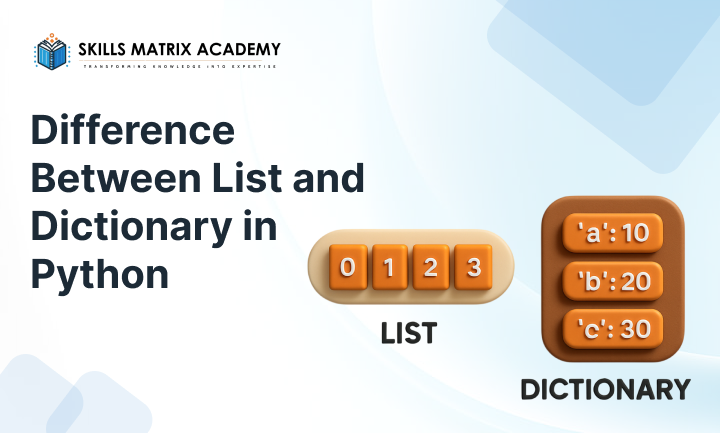
Understanding the difference between a list and a dictionary in Python is essential for writing clean and efficient code. Both are commonly used Python built-in data structures. However, they work in very different ways. Choosing the right one improves readability and performance. This shows the real significance of data structures in programming.
A Python List is a collection of multiple objects stored in an ordered way. It works like an array in C++. A Python dictionary saves data as keys and values. It uses a hash-based structure. This basic idea explains the core list vs dictionary concept in Python.
Meaning and Structure
A Python list stores values in a sequence. The order of items always stays the same. Items are placed inside square brackets [ ] and separated by commas. This makes lists easy to read and simple to use. That is why the list data structure in Python is popular for ordered data.
A Python dictionary stores values using keys. Items are written inside curly brackets { }. Each key connects to a value using a colon (:). This structure supports Python dictionary key-value pairs. It is best when data needs quick access.
Indexing and Access Method
Lists use numeric indexing. Index values start from zero. This is known as Python list indexing. You access items by their position. This method works well when order matters.
Dictionaries do not use numeric indexes. They use keys instead. This allows Python dictionary key-based access. Keys can be of different data types. This makes dictionaries flexible and fast for searching.
Order, Mutability, and Creation
The order of items in a list is always maintained. This supports Python list-ordered data. Dictionaries do not guarantee order. Their focus is on access speed, not sequence.
Both lists and dictionaries are mutable. You can change their values anytime. Lists allow repeated values. Dictionaries do not allow duplicate keys. Lists are created using the list() function. Dictionaries are made using the dict() function.
Methods and Operations
Lists support many built-in methods. The Python list sort method arranges items in ascending or descending order. The Python list count method counts repeated elements. The Python list reverse method reverses the list easily.
Dictionaries work differently. Sorting applies to keys, not values. Dictionaries do not support count or reverse methods because data exists as pairs.
Use Cases of List and Dictionary
Python list use cases include storing ordered data, database records, and performing array operations. Lists are also used in JSON format. This shows clear Python list advantages.
Python dictionary use cases include indexing data, handling large datasets, and acting as a switch statement. Dictionaries help create map objects. They are also used in JSON and data frames. These are substantial Python dictionary advantages.
Approach of List in Python
The Python List is mainly used to store data in an ordered manner. The order of items always
stays the same. This makes lists easy to understand and manage. Because of this behaviour, lists are useful when sequence matters.
Lists are commonly used in databases where data needs to stay in a fixed order. They are also used in JSON format to store grouped values. Another major strength of lists is array-based operations. This makes them very helpful for calculations and data processing. These points clearly explain when to use a list in Python and highlight Python list use cases.
Approach of Dictionary in Python
The Python dictionary is used when fast access is required. It works like a switch statement in Python. Data is stored using keys, which allows quick lookups. This makes dictionaries ideal for handling large amounts of data.
Dictionaries are widely used to index content. They help map values to unique keys. They are also used to create map objects. Dictionaries can be combined with lists to create data frames. Like lists, dictionaries are also used in JSON format. These examples clearly show when to use a dictionary in Python and common Python dictionary use cases.
Role of Hash Functions in Dictionaries

The efficiency of dictionaries comes from hash functions. A Python dictionary hash function maps keys to values quickly. Keys must remain constant. This ensures fast insertion, deletion, and retrieval. This explains the strong Python dictionary lookup time and performance.
Performance Comparison: List vs Dictionary in Python
When discussing Python data structures’ performance, lists and dictionaries behave very differently. Each structure is built for a specific purpose. This performance comparison of a list vs a dictionary in Python helps you choose the right one for your task. The right choice improves speed, memory use, and overall code quality.
List Performance in Python
Python list performance works best when you handle ordered data. Appending elements is fast. It usually takes O(1) time when space is available. This makes Python list append performance reliable for growing collections.
However, searching for an item takes more time. A Python list linear search runs in O(n) time. The same applies to deletions. As data grows, this cost increases. This directly affects Python list large dataset performance. Due to this behaviour, Python list time complexity is ideal for small to medium datasets. These factors define Python list operations complexity and Python list memory performance.
Dictionary Performance in Python
Python dictionary performance focuses on speed. Dictionaries use a hash table in Python dictionaries internally. This allows fast access using keys. Lookups, insertions, and deletions usually take O(1) time.
This is why Python dictionary (1) lookup is very powerful. It supports Python dictionary constant-time access, even with extensive data. This improves Python dictionaries’ performance on a large dataset. The Python dictionary hashing mechanism maps keys directly to values. This ensures efficient Python dictionary average-case performance.
Conclusion
In this blog, we explored Lists and Dictionaries, two core data structures in Python programming. Each one serves a different purpose. A Python List works best when data order matters, while dictionaries are ideal for fast, key-based access. They differ in structure, indexing, arrangement, and usage. Understanding these differences helps you write cleaner and more efficient code. These concepts form the foundation of Python programming basics. If you want to master data structures like the Python List and dictionary in depth, enrolling in a structured Python course can help you build strong skills. Keep learning and exploring more blogs to grow your Python knowledge step by step.

Bharat Arora
12+ years as a web developer, Bharat has worked in the biggest IT companies in the world. He loves to share his experience in web development.


Bharat Arora
12+ years as a web developer, Bharat has worked in the biggest IT companies in the world. He loves to share his experience in web development.