Today, digital marketing campaigns focus on results. Brands no longer run ads only to get attention. They run ads to get action. These actions include clicks, leads, and sales. Revenue is the final goal.
In the past, success meant reach and awareness. More impressions were seen as a success. That approach no longer works today. Now, marketers want precise numbers. They want results they can measure.
This change has made performance marketing very important. To achieve these results, brands use media networks. Media networks help plan, run, and improve campaigns.
Commerce media networks are very important in this process. They connect ads with actual purchases. This helps marketers clearly see which ads work. It also helps improve campaigns faster using data-powered advertising.
In this content, you will understand:
- What media networks are
- Types of digital media used in performance marketing
- How media networks in performance marketing work
- Why are they essential for growth and results
What Is a Media Network?
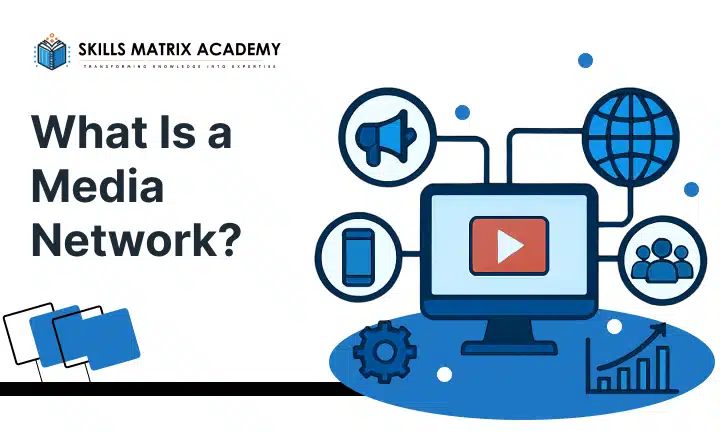
A media network is a digital system that helps advertisers reach people online. It works across many channels. These include search, social, display, and retail platforms. The main goal is simple. Show ads to people who actually care.
In the past, media networks mostly sold ad space on websites. Advertisers bought large volumes of impressions. Targeting was basic. Measurement was limited.
Today, digital media networks are more innovative and more advanced. They use data to make better decisions. A key part of this is first-party data marketing.
First-party data comes directly from customers. It includes what they buy. It includes how they browse. It provides app usage and loyalty activity. Brands use this data to target the right users. In performance marketing campaigns, media networks help brands:
- Use their own data in a better way
- Share valid customer data with trusted partners
- Run ads across many channels
- Measure results by linking ads directly to sales
Because commerce media networks connect media with transaction data, they link ad views to real outcomes. This keeps advertising safe and builds customer trust.
Examples of media networks include:
- Retail media networks
- Brand-owned data and loyalty networks
- Commerce media networks in travel, finance, and healthcare
These networks are a key part of the digital advertising ecosystem.
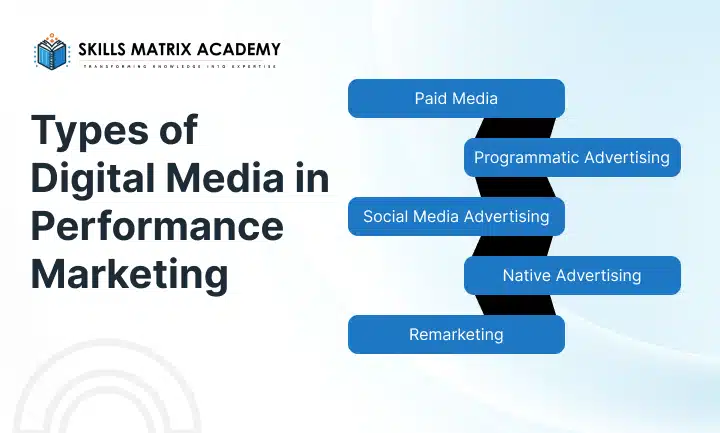
Types of Digital Media in Performance Marketing
To understand how media networks work, it is essential to know the media types they support. Each type supports conversion-focused marketing differently.
Paid Media
Paid media includes search ads, display ads, social ads, and sponsored content. Brands pay to promote their message. Paid media is easy to track. It is easy to control Performance Media.
Performance media focuses only on actions. Advertisers pay only when a user clicks, fills a form, or makes a purchase. This model uses data and helps control ad costs.
Programmatic Advertising
Programmatic advertising uses automation to buy ads. Ads are purchased in real time using real-time bidding (RTB). Programmatic media buying helps show ads to people who are more likely to buy. This improves efficiency and reduces waste.
Social Media Advertising
Social media advertising runs on platforms like Meta, TikTok, and YouTube. These platforms offer detailed targeting. They also provide strong conversion tracking. They support cross-channel advertising and omnichannel marketing.
Native Advertising
Native advertising blends ads into content. The ads match the look of the platform. This makes them easy to read. It also improves engagement and results in performance marketing.
Remarketing
Remarketing strategies target users who have already interacted with a brand. These users have higher intent. Remarketing helps bring users back and improves digital marketing performance metrics.
When these media types work together through media networks, results improve across channels.
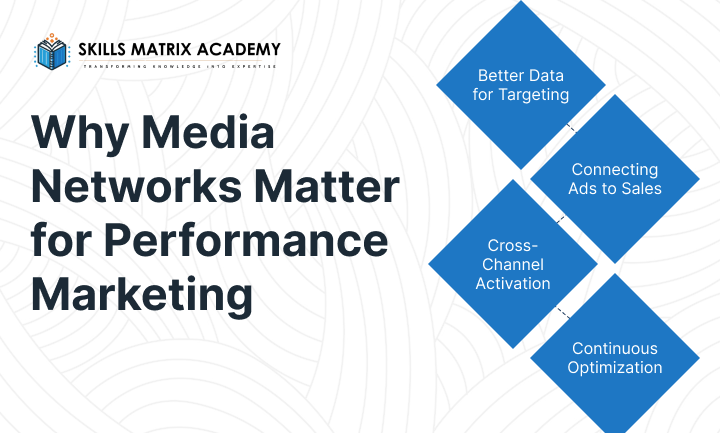
Why Media Networks Matter for Performance Marketing
Performance marketing depends on accuracy, speed, and precise measurement. Media networks help improve all three.
Better Data for Targeting
Media networks are built on strong data systems. They use first-party data marketing and partner data. This data shows real user behavior.
With better data, brands create stronger audience targeting strategies. They reach users who are more likely to act. This also improves how customer data platforms are used.
Connecting Ads to Sales
A significant benefit of commerce media advertising is precise measurement. Commerce media networks connect ad exposure to real purchases. This creates a closed-loop measurement.
Marketers can clearly see what works. They can improve ROAS optimization. They can move budgets to high-performing ads. This helps performance marketing campaigns deliver better results.
Cross-Channel Activation
Media networks work across search, social, display, and retail channels. This helps brands reach users at every stage of the journey.
With cross-channel advertising, brands deliver the right message at the right time. This improves consistency. It also helps brands understand which ads drive results.
Continuous Optimization
Media networks provide constant performance data. Marketers test audiences. They test creatives. They test placements. Campaigns improve step by step.
This supports better automation and more innovative use of data. Each improvement helps get better results without spending more.
Practical Use Cases: Media Networks in Action

Media networks help brands get real results from ads. They focus on actions. Not guesses. In performance marketing, results matter most. Marketers want clicks, leads, and sales. Media networks make this easier.
They use data to show ads to people who matter. They also help track what really works.
Below are simple and real examples.
Retail Media Networks for E-commerce Performance
Retail media networks are beneficial for online selling. Amazon and Walmart are strong examples.These platforms collect first-party data. This includes searches, views, and purchases.
Brands use this data for shopper data targeting. Ads target people who are already interested. This improves ecommerce performance marketing results. One significant benefit is SKU-level measurement. Marketers see exactly which product sells.
This helps with ROAS optimization. Money goes to ads that bring sales.
Retail media networks also support online and offline tracking. This enables closed-loop measurement.
Example:
A brand targets users who viewed similar items. Then it increases bids for users who convert. This links ads directly to sales.
Social Media Network Activation
Social media advertising works very well with media networks. Platforms like Facebook and Instagram follow user actions. This helps performance marketers.
Brands run performance marketing campaigns using:
- Dynamic product ads
- Click to purchase ads
- Lead generation campaigns
Social platforms give strong engagement data. This includes clicks and views. Marketers use this to find high-intent audiences. This improves audience segmentation and conversion tracking. Ads are easy to test and change. This reduces wasted spend.
Programmatic Everywhere
Programmatic advertising automates ad buying. Media networks connect brands to many channels at once. Marketers send data to demand-side platforms (DSPs).
Ads are placed using real-time bidding. This happens in seconds. Programmatic media buying supports cross-channel advertising.
Brands reach users through:
- Paid search advertising
- Display advertising
- Social ads
This helps scale performance marketing campaigns fast.
Key Strategies for Using Media Networks
To get better results, marketers need thoughtful planning
Align Audience Data Across Platforms
Good data gives good results. Brands should combine data from:
- CRM systems
- Mobile apps
- Stores
- Loyalty programs
This creates clear customer profiles using customer data platforms. It supports first-party data marketing and second-party data collaboration. This improves targeting across media networks.
Plan for Closed-Loop Measurement
Performance marketing needs precise tracking. Media networks connect ads to actions. Marketers track:
- CPA tracking
- ROAS optimization
- Incremental revenue tracking
These are key performance measurement metrics. This shows what drives real sales.
Build an Omnichannel Media Mix
Users move across platforms. Brands must follow them. Media networks support omnichannel marketing across:
- Paid search advertising
- Display advertising
- Social ads
- Commerce media
This improves conversions and tracking accuracy.
Leverage Programmatic Targeting
Programmatic tools update ads in real time. Marketers adjust targeting based on data. This improves reach to high-intent audiences. It also supports marketing automation.
Refresh Creative and Offers with Data
Creative matters. Media networks show what users like. Brands use dynamic creative Optimization. They promote:
- Related products
- Bundles
- Cart recovery offers
This improves sales results.
Challenges to Overcome
Media networks are strong. But challenges exist.
Data Privacy and Tracking
Privacy rules are strict. Third-party data is limited. Brands rely more on first-party data. This makes safe advertising and privacy rules very important.
Attribution Complexity
Users see many ads before buying. This makes multi-touch attribution difficult. Brands need better tools to track where sales come from.
Balancing Reach and Performance
Media networks focus on performance. This can reduce reach. Thoughtful planning helps balance both.
Future Trends in Media Networks
The future of media networks looks strong.
AI-Powered Optimization
AI-powered advertising improves targeting. Machine learning helps predict better ad results.
Shoppable and Interactive Formats
Shoppable ads are growing fast. Interactive advertising formats increase engagement. Connected TV advertising now supports buying directly. This boosts digital commerce advertising.
Expanded Industry Adoption
Commerce media networks are growing beyond retail. Travel, finance, and healthcare are adopting them. This creates more opportunities for performance-based advertising.
Conclusion
Media networks are not just ad tools. They are performance engines. They use data, automation, and measurement to drive results. For modern marketers, media networks in performance marketing are essential for business growth.

Bharat Arora
12+ years as a web developer, Bharat has worked in the biggest IT companies in the world. He loves to share his experience in web development.


Bharat Arora
12+ years as a web developer, Bharat has worked in the biggest IT companies in the world. He loves to share his experience in web development.