The Value of Modern SEO
Modern SEO is no longer about shortcuts or quick ranking tricks. Search engines have evolved to understand user behavior, context, and intent. Today, SEO focuses on delivering genuine value to users while aligning with business goals.
SEO now works closely with digital marketing. Together, they create long-term growth by improving visibility, trust, and engagement. A successful SEO strategy prioritizes clear website structure, helpful content, and a smooth user experience. When users trust your website, search engines reward it with better rankings.
For growing brands, national SEO plays a crucial role. It helps businesses reach audiences across regions, build authority, and compete in crowded markets.
The Importance of Organic Traffic
Organic traffic is the foundation of sustainable SEO success. When users find your website through search results, it signals relevance and usefulness.
Unlike paid ads, organic traffic does not disappear when spending stops. It grows steadily over time and delivers consistent results. Organic traffic improves SEO performance, reduces long-term marketing costs, and attracts users who are already interested in your offerings.
Measuring Organic Traffic Effectively
Tracking organic traffic helps you understand what works and what needs improvement. Google Analytics provides insights into search terms, high-performing pages, user behavior, time on site, and bounce rates.
This data allows you to refine content, improve user experience, and make smarter SEO decisions that support overall digital marketing goals.
The Role of Technical SEO in Modern Search
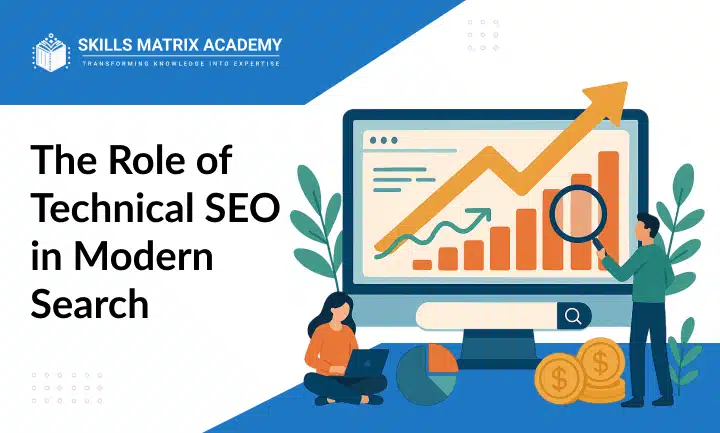
Technical SEO ensures that search engines can easily crawl, index, and understand your website. A well-optimized technical foundation improves site structure, website indexing, and overall site health.
Strong technical SEO supports consistent growth and prevents performance issues that can limit visibility.
Site Speed and User Experience
Website speed is a key ranking and usability factor. Slow-loading pages frustrate users and increase exit rates. Improving site speed through image compression, caching, and clean code enhances user experience and boosts conversions.
Mobile-First Indexing
Search engines now prioritize mobile versions of websites. A mobile-friendly website must use responsive design, load quickly, and provide simple navigation. A smooth mobile experience leads to better rankings and stronger engagement.
Structured Data and Schema Markup
Structured data helps search engines interpret your content more accurately. Schema markup can generate rich snippets, improve click-through rates, and enhance search visibility. This makes your content stand out in competitive search results.
The Role of Content Marketing in SEO
Content marketing is central to modern SEO. High-quality content attracts organic traffic, builds authority, and delivers long-term value. When content addresses real user needs, search engines reward it with improved visibility.
Great Content Marketing Strategies
Effective content strategies focus on quality, not quantity. Each piece of content should have a clear purpose—educating users, answering questions, or solving problems. Content that aligns with search intent performs better and drives engagement.
Aligning Content With the Buyer’s Journey
Content should support users at every stage of the buying journey. Awareness-stage content educates users and builds trust. Consideration-stage content compares solutions and increases engagement. Decision-stage content such as case studies and testimonials encourages action.
Long-Form Content and Pillar Pages
Long-form content allows in-depth coverage of topics and targets long-tail keywords. Pillar pages act as central hubs, linking related content and improving crawlability. Over time, these pages build topic authority and trust.
Content Freshness and Regular Updates
Search engines prefer updated and relevant content. Regular content updates signal activity and relevance, helping maintain or improve rankings. Updating existing content often delivers faster results than creating new pages.
The Power of Link Building
High-quality backlinks remain a strong ranking factor. They signal trust and authority while driving referral traffic. Sustainable link building focuses on valuable content, outreach, guest blogging, and competitor analysis.
Unhelpful Content Marketing Practices to Avoid
Keyword stuffing, thin content, and ignoring search intent damage SEO performance. Duplicate content can confuse search engines and weaken rankings. Focus on clarity, originality, and user value.
Understanding Search Intent
Search intent explains why users perform searches. Some seek information, others compare options or want to buy. Matching content with intent improves rankings, engagement, and long-term performance.
Catering to Search Intent
Effective SEO starts with intent-based keyword research and competitor analysis. Clear headings, structured layouts, and direct answers help users quickly find what they need.
Local SEO and Business Visibility
Local SEO improves visibility for location-based searches. With the rise of “near me” searches, strong local optimization helps businesses attract ready-to-act users.
Google My Business Optimization
A complete and accurate Google My Business profile increases trust and local reach. Regular updates, images, and customer responses strengthen local rankings.
Local Link Building and Citations
Local backlinks and consistent business listings improve credibility and authority. Community partnerships further support local SEO growth.
Location-Specific Content
Local landing pages, blogs, and event updates connect businesses with regional audiences and improve local search relevance.
Optimizing Meta Descriptions
Meta descriptions influence click-through rates. Keeping them under 155 characters, using keywords naturally, and adding action-oriented language improves SERP performance.
The Intersection of SEO and Social Media
While social signals may not directly impact rankings, social media amplifies content reach, drives traffic, and creates backlink opportunities.
Social Media as a Content Distribution Channel
Sharing content on social platforms increases engagement, visibility, and brand awareness while supporting organic traffic growth.
Social Profiles in Search Results
Optimized social profiles enhance brand discoverability and trust. Consistent branding and website links drive additional traffic.
Social Listening for Content Ideas
Social listening reveals trending topics and user questions. These insights help create relevant, intent-focused content.
Emerging SEO Trends
SEO continues to evolve due to algorithm updates and user behavior changes. Staying informed helps maintain competitiveness.
Google’s Search Generative Experience (SGE)
SGE highlights clear, structured, and trustworthy content. Using headings, concise answers, and accurate information increases visibility in AI-powered results.
Advanced Keyword Research Techniques
Modern keyword research focuses on intent, long-tail queries, and semantic relationships rather than volume alone.
Voice Search Optimization
Voice searches are conversational and often local. Simple language, clear answers, and fast pages improve voice search performance.
User Experience Signals
Page speed, navigation, and content clarity affect user behavior. Positive engagement signals improve rankings over time.
Video Content Optimization
Optimized videos with clear titles, descriptions, transcripts, and fast loading improve engagement and SEO visibility.
Integrating SEO with Paid Search
Combining SEO with paid ads strengthens campaigns. Optimized landing pages and remarketing increase conversions.
Measuring SEO Success
SEO success is measured through organic traffic quality, engagement metrics, and conversions—not rankings alone.
Revenue and ROI
Tracking organic revenue and ROI ensures SEO contributes directly to business growth.
Brand Visibility and User Engagement
Monitoring brand presence, bounce rate, and engagement metrics helps refine content and UX strategies.
Why SEO Still Matters
SEO delivers long-term visibility, better ROI than paid ads, and sustained credibility.
Protocloud Technologies SEO: Your Partner in SEO Success
Protocloud Technologies delivers revenue-focused SEO strategies backed by years of digital marketing expertise.
Our Services
We offer SEO, advertising, web design, marketing campaigns, and analytics services to support business growth.
Why Protocloud Technologies SEO Works
Our adaptive SEO strategies ensure discoverability, competitive advantage, and measurable results.
Frequently Asked Questions
Does SEO Still Matter?
Yes. SEO improves visibility, traffic quality, and competitive positioning.
Do You Need SEO Forever?
Yes. SEO requires continuous effort to maintain rankings and adapt to updates.
Is SEO Ever-Changing?
Yes. SEO evolves with algorithms, technology, and user behavior, requiring ongoing optimization.

Bharat Arora
12+ years as a web developer, Bharat has worked in the biggest IT companies in the world. He loves to share his experience in web development.


Bharat Arora
12+ years as a web developer, Bharat has worked in the biggest IT companies in the world. He loves to share his experience in web development.