Introduction
The world of marketing is changing fast. Third-party cookies are dying. Browsers are blocking them. Privacy laws are getting stricter every day. If you rely on “borrowed” data, your ads are about to get much less effective. This shift is a massive wake-up call for every brand.
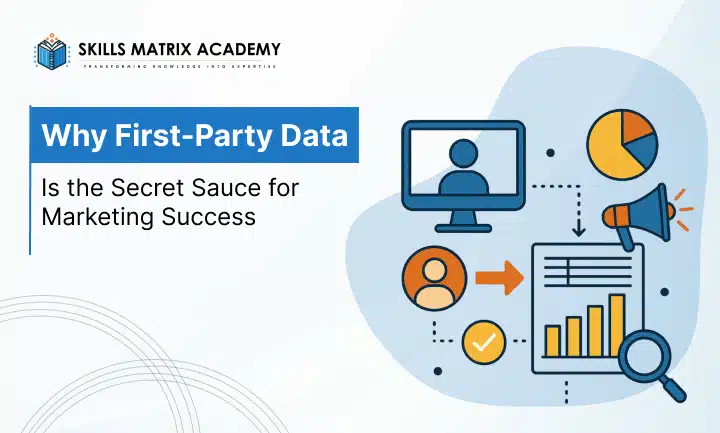
In this new world, you need to own your audience. You can no longer depend on external platforms to tell you who your customers are. This is why first-party data has become the most valuable asset in your toolkit. It is accurate, reliable, and completely yours.
In this guide, we will explore the importance of first-party data. You will learn how to build a winning first-party data strategy. We will also show you how to thrive in an era of cookie-less marketing. If you want to keep your campaigns profitable, you need to pay attention.
What Exactly Is First-Party Data?
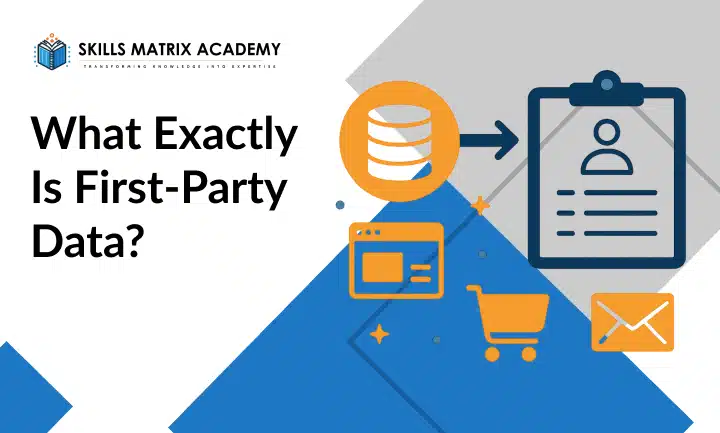
Let’s keep it simple. First-party data is information you collect directly from your audience. You don’t buy it. You don’t borrow it. You earn it through your own channels. This includes your website, your app, and your email list.
When a user visits your site, they leave clues. They show you what they like. They show you what they want to buy. This is customer behavior data in its purest form. Because the user gave it to you directly, it is much more accurate than data from a third-party broker.
You may be curious about how it stands apart from other data types. Second-party data is just someone else’s first-party data shared via a partnership. Third-party data is collected by outside sources who have no direct link to the user. In a world of privacy-first marketing, third-party data is becoming a liability.
Why Is First-Party Data Important for Marketers?

The importance of first-party data cannot be overstated. First, it gives you incredible accuracy. When you see a customer buy a specific pair of shoes on your site, you know it’s a fact. You aren’t guessing based on their browsing history elsewhere. This leads to data-driven marketing that actually works.
Second, it builds massive trust. Today’s consumers care about data privacy in marketing.They want assurance that their information is secure. Because you collect this data with permission, it falls under consent-based marketing. This makes your brand look more professional and trustworthy.
Third, it powers marketing personalization. It allows you to reach the right person with the right message at the perfect moment. Imagine sending an email about a product the customer just looked at. That is the power of personalized marketing campaigns. It helps customers feel recognized and appreciated.
Finally, it leads to a much higher ROI. You stop wasting money on ads for people who aren’t interested. By using audience segmentation, you can focus your budget on your best customers. This makes your first-party data in digital marketing a huge competitive advantage.
Common First-Party Data Examples
To build a great strategy, you need to know what to look for. There are many first-party data examples you already have access to. The most common one is website analytics data. This tracks how people move through your pages. It tells you which blog posts they read and which products they ignore.
Another big one is CRM data. This is the heart of your customer relationships. It covers information such as names, emails, and phone contacts. It also tracks purchase history and transaction data. Knowing what someone bought in the past is the best way to predict what they will buy next.
Don’t forget about email engagement data. Who is opening your newsletters? Who is clicking your links? This data tells you who your most loyal fans are. You can also look at app usage data or social media interactions. Every touchpoint is a chance to learn more about your audience.
How to Collect First-Party Data
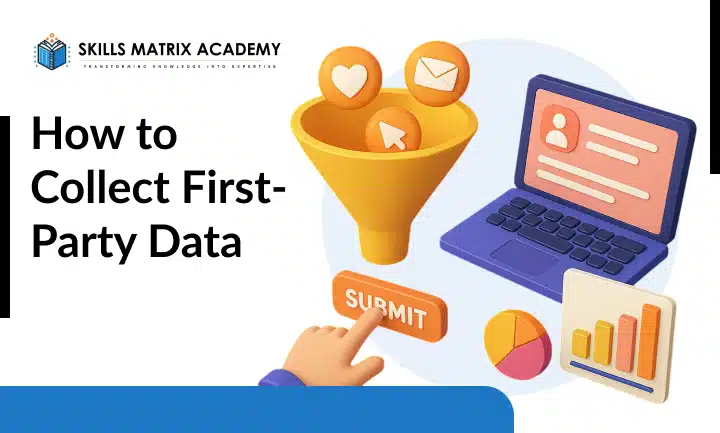
You might ask yourself how to collect first-party data in a non-intrusive way? The main idea is to provide something valuable in return for information. If you want an email address, give them a free guide or a discount code. This is a fair trade that most users are happy to make.
Website forms and lead magnets are the classic way to start. Offer a practical cheat sheet or a chance to register for a webinar. Once they fill out the form, you have their permission to stay in touch. This is the foundation of GDPR compliant marketing. You communicate clearly about your intentions. Another great method is creating a loyalty program. People love rewards. When they sign up for a points system, they gladly share their preferences. This gives you a steady stream of customer insights. You can see exactly how often they shop and what they love.
- Surveys and Polls: Ask your customers what they think after a purchase.
- Preference Centers: Let users tell you how often they want to hear from you.
- Mobile Apps: Use in-app behavior to see how users interact with your features.
- Login Data: Encourage users to create an account for a better experience.
How to Use First-Party Data Effectively
Collecting data is only half the battle. You have to use it. A strong first-party data strategy focuses on action. The first step is audience segmentation. Don’t treat everyone the same. Group your customers based on their interests or how much they spend.
Once you have segments, start your personalized marketing campaigns. If a group of customers only buys during sales, send them a “VIP early access” link. If another group loves high-end gear, show them your newest luxury items. This level of detail is what makes first-party data marketing so effective.
You should also use this data to make better product decisions. If your website analytics data shows people are leaving a specific page, fix it. If customer feedback says a product is hard to use, improve it. You are using real evidence to grow your business.
Finally, think about omnichannel marketing. Your message should be consistent. If a customer sees an ad, an email, and a website pop-up, they should all feel related. Using a unified first-party data set ensures you don’t send conflicting messages to the same person.
Best Practices for Data Management
You must treat your data with respect. Good marketing data management is non-negotiable. First, only collect what you actually need. Don’t ask for a home address if you are just sending a digital newsletter. This keeps things simple and reduces your risk.
Second, be totally transparent. The privacy policy should be straightforward for anyone to read. Tell users exactly how you will use their data. This is key for CCPA compliance and other privacy laws. When users feel safe, they share more. This is the core of privacy-first marketing.
Third, keep your data clean. People change jobs and move houses. If your list is full of old info, your campaigns will fail. Use tools to regularly update and organize your CRM data. A small, clean list is always better than a massive, messy one.
Common Mistakes to Avoid
Even pro marketers make mistakes. One big error is “data hoarding.” This is when you collect tons of info but never look at it. If you don’t have a plan to use the data, don’t collect it. It just creates more work and more security risk.
Another mistake is ignoring consent. Never add someone to a list without their permission. This is the fastest way to kill your brand’s reputation. It can also lead to heavy fines under GDPR compliant marketing rules. Always put the user’s choice first.
Finally, don’t let your data live in “silos.” If your email team and your sales team use different systems, they won’t see the full picture. You need a way to share customer insights across your entire company. Integration is the key to a successful first-party data strategy.
The Future of Marketing is Cookie-Less
We are moving toward a future without third-party tracking. This is known as third-party cookie deprecation. It sounds scary, but it’s actually an opportunity. Brands that build their own data sets will win. They won’t have to worry about what Google or Apple does next.
AI will also play a huge role. In the future, AI will analyze your first-party data in real-time. It will predict which customers are about to leave and send them a special offer to stay. It will help you scale your marketing personalization to thousands of people at once.
The winners will be the brands that start today. Don’t wait until the cookies are completely gone. Start building your first-party data benefits now. It is the only way to ensure your marketing stays effective for the long haul.
Conclusion: Start Owning Your Data Today
The importance of first-party data is clear. It is the most accurate, trustworthy, and profitable way to market in 2026. By focusing on first-party data, you protect your business from changing privacy laws. You also build a much deeper bond with your customers.
The path forward is simple. Offer value. Get consent. Collect data. Then, use that data to make your customers’ lives better. This is the heart of successful first-party data marketing. It’s not just a trend—it is the foundation of the modern internet.
Are you set to manage and engage your audience confidently? Start by looking at your current customer data collection methods. There is almost certainly a way to make them better and more privacy-friendly.
Would you like me to help you draft a high-converting lead magnet offer to start growing your first-party database today?
11. FAQs
What is first-party data?
Information is collected directly from customers through owned channels like websites, emails, and apps.
How is first-party data different from third-party data?
First-party data is accurate, consent-based, and wholly owned by your brand. Third-party data is collected externally and is often less reliable.
Is first-party data GDPR compliant?
Yes, if collected transparently with consent and proper data protection practices.
What tools help collect first-party data?
CRM systems, email marketing tools, analytics platforms, surveys, and mobile apps help gather and manage first-party data effectively.

Bharat Arora
12+ years as a web developer, Bharat has worked in the biggest IT companies in the world. He loves to share his experience in web development.


Bharat Arora
12+ years as a web developer, Bharat has worked in the biggest IT companies in the world. He loves to share his experience in web development.