Remote & Hybrid Work Skills to Thrive in the 2026 Job Market
by Bharat Arora · Updated on January 7, 2026
Introduction
Remote and hybrid work are here to stay. They are not just trends anymore. Most big companies now use these models as their standard way of doing business. Your team might be in London while you are in New York. You might work from a cafe or your living room. The shift creates new opportunities, but keeping pace requires stronger Remote & Hybrid Work Skills.
In 2026, where you work matters much less than how you work. Employers do not care about your commute. They care about your output. They want to know if you can communicate clearly without meeting in person. They want to see if you can manage your own schedule without a boss watching you. Working from home sounds easy, but doing it well takes a specific skill set. This guide will show you exactly what you need to master.
I have spent years looking at how digital workplaces evolve. The secret is not just about having a fast internet connection. It is about how you connect with people through a screen. You need to be a self-starter. You need a solid technical mindset with a problem-solving approach. In the next few sections, we will dive deep into the specific remote work skills that will make you a top candidate this year.
What Is Remote & Hybrid Work?
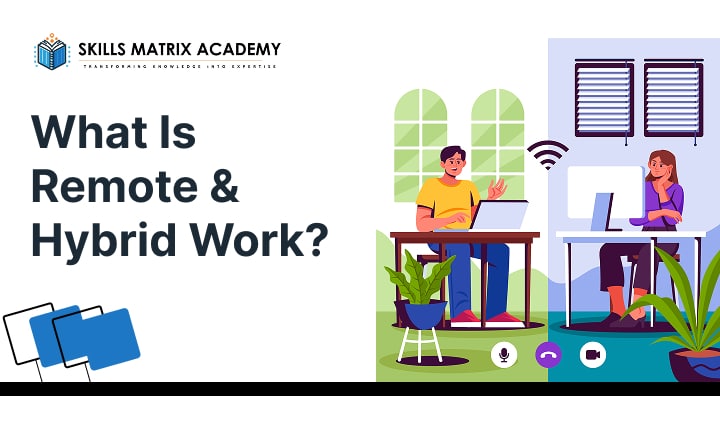
Let’s break this down simply. Remote work means you work entirely outside of a central office. You could be at home, in a co-working space, or even traveling. You use digital collaboration tools to stay in touch with your team. On the other hand, hybrid work skills are for those who split their time. You might spend two days in the office and three days at home. Both models require you to be flexible and organized.
The main difference between these two is the level of freedom. Remote work gives you full control over your location. Hybrid work gives you a mix of face-to-face time and solo time. Companies love these models because they save money on office space. They can also hire the best people from anywhere in the world. This is why skills for remote jobs are in such high demand right now.
Many organizations now see flexible work as a huge advantage. It helps them find “hidden gems” in the talent pool. For you, it means you can design a life that fits your needs. But you must prove that you can handle the responsibility. You need to show that you are just as productive at your kitchen table as you are in a cubicle. Mastering the hybrid workplace skills required for this balance is your first step to career growth.
The Importance of Remote & Hybrid Work Skills in 2026
The job market is global now. You’re no longer competing only with professionals in your local area. To win, you need to stand out. Having strong remote work skills for 2026 is the best way to do that. It tells a hiring manager that you are ready for the future of remote work. They want to know you won’t get lost when the office doors are closed.
These skills make you a stronger and more valuable professional. You can stay productive without someone checking on you every hour. You can pick up new software in a single afternoon. These traits make you “low maintenance” for a manager. In a fast-paced world, being easy to manage is a superpower. It leads to more trust and better promotions.
Also, the digital workplace skills you build now will protect your future. Technology changes fast, but the ability to work independently stays valuable. If you can communicate well over Slack or Zoom, you can work for almost any company. This flexibility gives you job security that traditional office workers might lack. You become a global citizen of the workforce.
Core Remote & Hybrid Work Skills You Need
1. Communication Skills for Remote Teams
Clear communication is the most important part of working from home. When you can’t see someone’s body language, your words have to be perfect. You need to be great at asynchronous communication. This means sending messages that people can understand even if they see them three hours later. It prevents “ping-pong” chats that waste everyone’s time.
You also need to master video meetings. This involves more than just turning on your camera. It means having good lighting and a quiet space. It means knowing when to speak and when to use the chat box. Good communication skills for remote teams keep projects moving. They stop small mistakes from turning into big disasters. If you write well, you will lead well.
2. Time Management for Remote Workers
Without a commute, it is easy to lose track of time. Some people work too much, and others get distracted by laundry or TV. This is why time management for remote workers is a top priority. You have to be your own boss. Set a specific start point and a clear end point. This helps you stay focused and prevents the dreaded “burnout” that many remote workers face.
One great trick is using a work-life balance in remote jobs strategy like time-blocking. You set specific hours for deep work and other hours for meetings. This keeps your brain fresh. It also proves to your team that you are reliable. When you say a task will be done by 5 PM, it gets done. That kind of reliability is worth more than gold in a remote setting.
3. Digital Collaboration Tools
You cannot survive in a remote role without knowing the right software. You need to be an expert in remote work tools like Slack and Zoom. These tools function as online workplaces for daily tasks. But it goes deeper than just chatting. You should know how to organize tasks in Notion or Trello. You need to understand secure file-sharing practices.
Being “tech-literate” means you don’t wait for IT to help with small problems. You can figure out why your screen share isn’t working. You can set up a calendar link without help. These skills needed for remote work make you a smoother part of the team. The less friction you cause, the more people want to work with you.
Technical Skills for Remote & Hybrid Roles
Every remote worker needs a basic “tech toolkit.” You don’t need to be a coder, but you do need to understand how the internet works. This includes cybersecurity for remote employees. You should know how to use a VPN and why you should never use public Wi-Fi for work tasks. Protecting company data is a huge part of your job when you are not in a secure office building.
In 2026, you also need to understand AI tools for remote work. AI can help you write emails faster or summarize long meetings. It can even help with remote productivity skills by automating boring tasks. If you know how to use these tools, you can do eight hours of work in four hours. That is how you become a top performer in the modern world.
You should also be comfortable with cloud storage. Tools like Google Drive or Dropbox are where all the “real” work lives. You need to know how to organize folders so your teammates can find things. Poor organization is a silent killer of productivity. By keeping your digital space clean, you show that you have high virtual office skills.
Soft Skills That Set You Apart
While tech skills are great, soft skills are what get you promoted. You need high emotional intelligence. It is hard to build trust through a screen, but it is possible. You do it by being consistent. You do it by being kind in your messages. Building virtual team collaboration requires you to be a person people actually like to talk to online.
Accountability: Do what you say you will do, every single time.
Reliability: Be present during your “on” hours so people can reach you.
Empathy: Understand that your coworkers might have kids or noisy pets in the background.
Self-Awareness: Know when you are getting tired and need to step away from the screen.
These work from home skills help you manage yourself. If you can manage yourself, you can eventually learn managing remote teams. Leadership in the future is all about influence, not just authority. You lead by setting a good example of how to work from anywhere.
How to Build Remote & Hybrid Work Skills
You don’t need a fancy degree to get better at this. You can start today by practicing on small projects. Maybe take a freelance and remote work skills gig on the side. This teaches you how to handle clients and deadlines on your own. It offers the most valuable real-world learning opportunity. There are also many online certifications for remote job skills.
Try using the Pomodoro technique for a day. Set a timer for 25 minutes and work without looking at your phone.This trains your ability to stay focused, a key part of remote & hybrid work skills. You can also practice your writing. Try to make every email you send 20% shorter. This forces you to be clear and concise, which is a key part of digital workplace skills.
Finally, stay curious. The future of remote work changes every month. New tools come out, and old ones get updated. Follow blogs, watch YouTube tutorials, and talk to other remote workers. The more you learn, the more confident you will feel. Confidence is the key to passing any remote interview.
Common Mistakes to Avoid
Many people fail at remote work because they don’t set boundaries. They work from their bed and then can’t sleep at night. Or they never leave the house and get lonely. You must have a dedicated workspace. Even a small desk in a corner helps your brain switch to “work mode.” This is a vital part of time management for remote workers.
Another mistake is “going dark.” This happens when you don’t message your team for two days. People start to wonder if you are actually working. Avoid this by giving small updates. Simply saying “I’m on the report at the moment” helps keep everyone aligned.
It builds virtual team collaboration and keeps everyone calm.
Mistake 1: Working through lunch and getting burnt out.
Mistake 2: Using “Reply All” when a private message would work.
Mistake 3: Ignoring time zone differences when booking meetings.
Mistake 4: Not asking for help when you are stuck on a tech issue.
The Future of Remote & Hybrid Work
Looking ahead to 2026 and beyond, work will only get more digital. We might see more virtual reality offices or “metaverse” meetings. The fundamental remote & hybrid work skills will continue to be important. You will still need to communicate, manage your time, and solve problems. The tools will change, but the human element won’t.
Companies will focus more on “results-based” work. They won’t care if you worked from 9 to 5. They will only care if the project is finished and high quality. This is one of the biggest hybrid work model benefits. It gives you the freedom to work when you are most creative. As long as you have the remote work skills to deliver, the world is your office.
Conclusion
The world of work has changed forever. To succeed, you must evolve. By building your Remote & Hybrid Work Skills, you are opening doors to thousands of jobs worldwide. You are choosing a life of flexibility and freedom. It takes discipline, but the reward is worth it.
Start today. Pick one skill, like asynchronous communication, and try to get better at it this week. Reach out to your team more often. Organize your digital files. These small steps add up to a very successful career. The future of remote work is bright, and you are now ready to be a part of it.
FAQ: Frequently Asked Questions
Are remote work skills different from traditional office skills?
Yes. While some things are the same, remote work skills require much higher levels of self-discipline and written communication. In an office, you can rely on “osmosis” to learn things. At home, you have to be proactive.
Can freshers build remote work skills without experience?
Definitely. You can build these skills by managing your own college projects or doing freelance work. Using tools like Slack with friends or for a club also counts as remote job skills experience.
What is the most important remote work skill in 2026?
Adaptability. Since tech changes so fast, being able to learn a new tool in a day is the most valuable trait you can have. Combine that with clear writing, and you will be unstoppable.
Will remote jobs continue to grow in the future?
Yes. Most experts agree that the future of remote work involves more global hiring. Companies want the best talent, regardless of where they live.