Introduction
Let’s face it. Marketing moves fast. Today, we have tools that can predict exactly what a customer wants before they even know it. This is the power of AI regulation in digital marketing. But there is a catch. As our tools get smarter, the rules get tighter. If you use data to drive your campaigns, you simply cannot ignore GDPR and AI regulation for marketers.
Regulators are watching. They want to understand how you gather their information. They want to know if your AI is being fair. In the past, you could play fast and loose with data. Not anymore. Today, GDPR compliance for marketers is a badge of honor. It communicates care and consideration for customers. It builds a bridge of trust that leads to long-term sales.
This guide breaks down the most important concepts in a clear, simple way. We will look at the GDPR rules for digital marketing. We will explore the new EU AI Act for marketers. Most importantly, we will show you how to stay safe while still growing your brand. This isn’t just about avoiding fines. It is about building a privacy-first marketing strategy that wins in 2025.
1. Why GDPR and AI Marketing Matter More Than Ever

The marketing world is changing. We used to guess what worked. Now, we use AI-driven customer profiling to get results. Clicks and scrolling actions generate meaningful behavioral data. But that story belongs to the user. GDPR and AI marketing are two sides of the same coin. One protects the data. The other regulates how the “brain” uses that data.
Think about your current tech stack. Do you use AI-powered marketing compliance tools? If not, you might be at risk. The volume of data we handle is massive. Global regulators are no longer just looking at big tech. They are reviewing every business that uses behavioral targeting and adheres to GDPR guidelines.
If you ignore these rules, the cost is high. We aren’t just talking about money. We are talking about your reputation. A single data leak can ruin years of hard work. That is why GDPR and AI regulation for marketers should be your top priority this year. Let’s dive into the specifics of how these laws work together.
2. A Simple Look at GDPR Compliance for Marketers

What is the GDPR? The term represents the General Data Protection Regulation. In simple terms, it is a set of rules for data privacy. It started in the EU, but it affects the whole world. If you have a website and someone from Paris visits it, you must follow these rules. GDPR compliance for marketers is about giving control back to the people.
The law covers many things. It covers names, email addresses, and IP addresses. If your AI creates a profile of a person, that counts too. This is often referred to as AI-driven customer profiling. You must be careful about how you store this info. You also need a clear reason to have it. This is a core part of the GDPR rules for digital marketing.
Many marketers feel overwhelmed by the paperwork. But don’t worry. The goal is transparency. You want your customers to feel safe. When they feel safe, they share more. This leads to better data and better results. GDPR and AI marketing don’t have to be your enemies. They can actually help you clean up your lists and focus on real fans.
Types of Marketing Data Covered by GDPR
- Personal Identity: Names, home addresses, and phone numbers.
- Online Identifiers: Cookie IDs, IP addresses, and device IDs.
- Behavioral Data: Browsing history and email engagement patterns.
- AI-Generated Profiles: Segments created by predictive analytics and data privacy models.
3. How AI Changes the Privacy Game
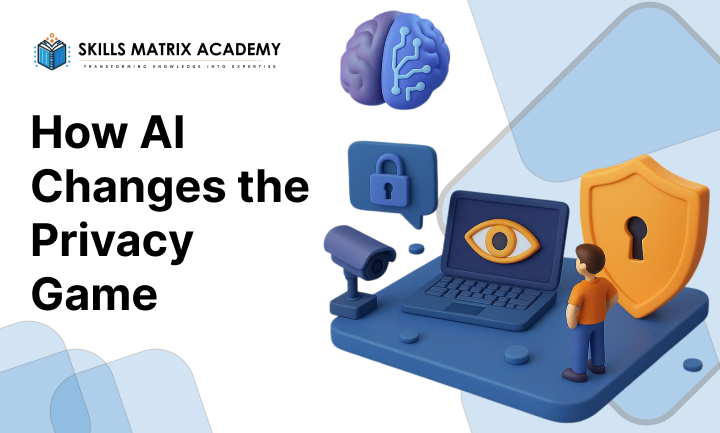
AI is everywhere. We use it for AI chatbots, GDPR compliance, and email timing. We use it for predictive lead scoring. But AI needs a lot of data to learn. This creates a conflict with data protection in AI marketing. The more data the AI eats, the more risk you take on.
One big issue is “black box” AI. This is when an algorithm makes a choice, but nobody knows why. GDPR says users have a right to know. This is known as AI transparency and explainability. If your AI decides to show a higher price to one person, you must be able to explain it. This is a major part of AI compliance for marketing teams.
You also have to worry about automated decision-making GDPR rules. If a machine makes a choice that affects a person’s life, it needs human oversight. It must be reviewed and updated regularly, not handled once. You need to ensure your responsible AI marketing practices are up to code. This keeps your brand out of the headlines for the wrong reasons.
4. The Core Pillars of GDPR and AI Regulation for Marketers
To stay safe, you need a plan. There are five main pillars of GDPR compliance for marketers. First, you need a lawful basis. This usually means user consent and data protection. You can’t just take data; you have to ask for it. Make sure your “Accept Cookies” banner is clear and easy to use.
Second, you need transparency. Tell people what you are doing. Use simple language in your privacy policy. Third, manage your consent. This means using a good consent management in marketing tool. If a user says “no,” you must stop tracking them immediately. This is a non-negotiable part of AI regulation in digital marketing.
Fourth, practice data minimization. Don’t collect data “just in case.” Only take what you need to run the campaign. Fifth, respect user rights. People have the right to be forgotten. If they ask you to delete their data, you must do it. This includes any data held by your third-party AI vendor compliance partners.
5. Navigating the EU AI Act for Marketers
The EU AI Act for marketers is a new set of rules. It works alongside the GDPR. It ranks AI tools by risk. Most marketing tools are “low risk.” This includes things like recommendation engines. However, you still need to be honest with your users. If they are talking to a bot, tell them it is a bot.
If you use AI for hiring or credit scoring, the risk is “high.” These tools have much stricter rules. Most marketers won’t hit the high-risk level. But you still need an AI governance framework. This document outlines how you use AI. It helps your AI compliance for marketing teams stay organized and ready for audits.
The EU AI Act’s goal for marketers is to prevent bias. We don’t want AI to discriminate based on race or gender. By following these rules, you ensure your ethical AI in marketing is truly fair. This is good for society and good for your brand image. It shows you are a leader in data protection in AI marketing.
6. Challenges in GDPR and AI Marketing

It isn’t always easy to stay compliant. One big challenge is cross-border data transfer compliance. Many AI tools are based in the US. If you are in the EU, moving that data can be tricky. You need to make sure your vendors follow the same rules you do. Always check your marketing automation GDPR compliance settings.
Another issue is automated decision-making under GDPR limits. If your AI automatically segments users, is it doing so fairly? Sometimes, algorithms pick up on bad patterns. This can lead to “creepy” marketing. You want to avoid being intrusive. Use privacy-by-design marketing to build campaigns that respect boundaries.
Finally, managing third parties is a headache. You might be compliant, but is your CRM? Is your email tool? You are responsible for the partners you choose. This is why third-party AI vendor compliance is so substantial. Always ask for their data processing agreements. It is better to be safe than sorry when it comes to GDPR and AI regulations for marketers.
Common Marketing Compliance Mistakes
- Thinking AI is “Pre-Compliant”: Never assume a tool is safe just because it is popular.
- Ignoring Consent Updates: Consent isn’t forever. You may need to ask again if your AI use changes.
- Hoarding Data: Keeping old data increases your risk. Delete what you don’t use.
- No Human Oversight: Letting AI run your entire strategy without a “human in the loop” is risky.
7. Best Practices for GDPR Compliant AI Marketing
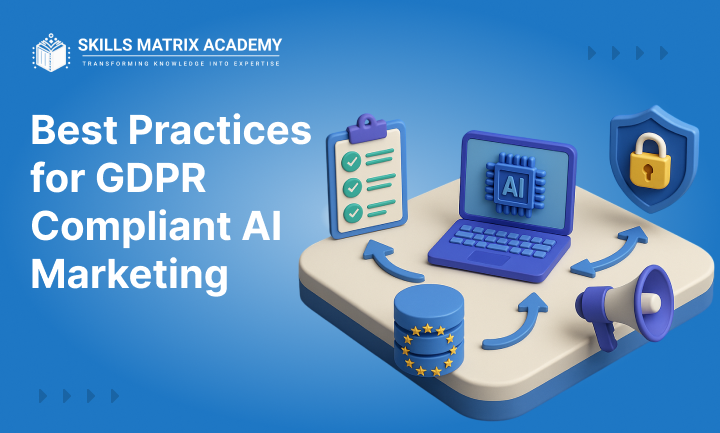
How do you win at GDPR compliant AI marketing? Start with a “Privacy First” mindset. This means you think about privacy before you launch a campaign. Conduct a Data Protection Impact Assessment (DPIA) for new AI projects. This helps you find risks before they become problems. It is a key step for AI compliance for marketing teams.
Be ethical. Don’t use AI to trick people. Use it to help them. For example, use AI personalization and GDPR data to show them products they actually need. Ensure your AI-powered marketing compliance includes regular audits. Check your algorithms for bias once a month. This keeps your responsible AI marketing practices sharp.
Lastly, be transparent. If a customer asks how their data is used, give them a clear answer. Don’t hide behind legal jargon. Use a privacy-first marketing strategy to differentiate your brand. In a world of spam, being the “honest brand” is a huge competitive advantage. This is the heart of GDPR and AI regulation for marketers.
8. Building Your AI Governance Framework
Every modern marketing team needs an AI governance framework. Think of it as a playbook. It defines who can use AI and what data they can use. It also lists the tools your company has approved. This prevents “Shadow AI,” where employees use random tools that might not be safe.
Your framework should include training. Everyone on the team should understand AI data privacy for marketers. They should know how to spot a privacy risk. Regular workshops can help keep everyone on the same page. This builds a culture of GDPR compliance for marketers that lasts.
Don’t forget to document everything. If a regulator knocks on your door, you want to show your work. Show them your consent management in marketing logs. Show them your vendor checks. Documentation is the best defense in AI regulation in digital marketing. It proves you are trying to do the right thing.
9. Turning AI Data Privacy for Marketers into an Advantage
Most people see GDPR and AI regulation for marketers as a burden. I see it as an opportunity. When you follow the rules, you build a “Trust Asset.” Customers are tired of being tracked by creepy bots. When you offer GDPR compliant AI marketing, you stand out. You become a brand they can rely on.
This trust leads to better data. When people trust you, they give you “Zero-Party Data.” This is data they share willingly. It is much more accurate than the data you buy from third parties. By focusing on data protection in AI marketing, you actually improve your ROI. Your targeting becomes more precise because your data is cleaner.
In the end, GDPR and AI marketing are about people. We are marketers, but we are also consumers. We want our own data to be safe. By treating your customers’ data like your own, you win. This is the future of AI-powered marketing compliance. It is a world where tech and ethics work together to create great experiences.
10. Conclusion: The Future of Responsible AI Marketing
The world of GDPR and AI regulation for marketers will keep evolving. We will see more laws like the EU AI Act for marketers across the globe. But the core principles will stay the same. Be honest. Be safe. Be helpful. If you follow these three rules, you will always be on the right side of the law.
GDPR compliance for marketers is not a one-time task. It is a journey. As you adopt new tools, keep your AI governance framework updated. Always prioritize user consent and data protection. This is how you build a marketing machine that is both powerful and ethical.
Are you ready to take the next step? The future belongs to those who embrace AI regulation in digital marketing today. Don’t wait for a fine to start taking this seriously. Start building your privacy-first marketing strategy right now. Your customers—and your bottom line—will thank you for it.
- FAQs: GDPR and AI Regulation for Marketers
Is AI marketing legal under GDPR?
Yes, it is perfectly legal. However, you must have a clear legal reason to use the data. This usually means having user consent and data protection in place. You also need to be transparent. If you use AI to score leads or personalize ads, you should mention this in your privacy policy. As long as you follow the GDPR rules for digital marketing, you are good to go.
Do chatbots need GDPR compliance?
Absolutely. Chatbots are a huge part of AI chatbots GDPR compliance. Since they collect names, emails, and even personal problems, they are data magnets. You must tell users that they are talking to a bot. You also need to give them a way to delete their chat history. If your bot stores data, it must be secure and follow GDPR compliance for marketers.
How does consent apply t o AI personalization?
Consent must be explicit; pre-checked boxes are not permitted. Users must click “I agree” to have their data used for AI personalization and GDPR purposes. You cannot hide this in the fine print. If you want to use their data for a new AI model later, you might even need to ask again. This is a key part of responsible AI marketing practices.
Are AI-generated insights considered personal data?
If an insight can be traced back to a specific person, yes. Even if the AI just says “User 123 is likely to buy a car,” that is personal data. This falls under AI-driven customer profiling. You must protect these insights just as carefully as a phone number. This is a major focus of data protection in AI marketing.
What penalties apply to non-compliance?
The fines are no joke. For serious violations, you could face fines of up to €20 million or 4% of your global annual turnover. But the fine is just the start. You could also face a ban on using your data. This would stop your campaigns instantly. Most importantly, you lose your fans’ trust. That is why AI compliance for marketing teams is so vital.

Bharat Arora
12+ years as a web developer, Bharat has worked in the biggest IT companies in the world. He loves to share his experience in web development.


Bharat Arora
12+ years as a web developer, Bharat has worked in the biggest IT companies in the world. He loves to share his experience in web development.