Introduction
Most creators hit a wall. You’ve been grinding for months with decent content, growing views and then YouTube quietly tweaks its algorithm, your revenue tanks, and you realize you’ve built your entire income on land you don’t own.
That’s the real reason smart creators are looking at video monetization platforms beyond YouTube. Not because YouTube is dead. It isn’t. But because putting all your earning power into one platform is the content creator’s version of keeping your life savings under one mattress.
Let’s talk about what actually works and where your content can earn real money right now.
Why Creators Are Rethinking YouTube-Only Income
Here’s something most “YouTube alternatives” articles won’t tell you: the problem isn’t YouTube itself, it’s the dependency.
The YouTube monetization bar (1,000 subscribers + 4,000 watch hours) sounds reasonable until you’re at 800 subscribers for six months with no end in sight. Meanwhile, your content is good. Your consistency is solid. You’re just stuck behind a gate.
That’s not a content problem. That’s a platform problem.
The solution isn’t abandoning YouTube. It’s building alongside it.
The Best Platforms Like YouTube for Monetization
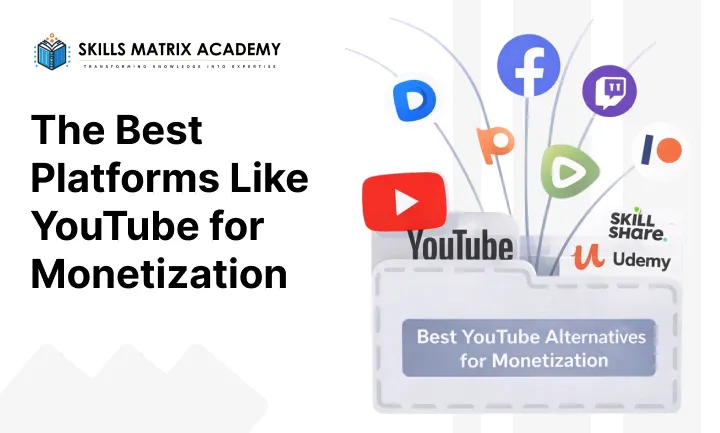
1. Facebook Watch — Underrated and Underused
Monetize Facebook videos and you’re tapping into a platform most creators ignore because it “feels old.” That’s exactly why it works. Less competition, more reach, and Facebook’s facebook video monetization program pays out through in-stream ads once you hit 10,000 followers and 600,000 total minutes viewed.
The math on facebook monetization video is genuinely competitive. Some creators report CPMs that rival mid-tier YouTube channels especially in finance, parenting, and health niches.
If you already post on YouTube, repurpose those long-form videos to Facebook Watch. Same content, second paycheck.
2. Dailymotion — The Quiet Earner
Dailymotion monetization flies under every radar, which is precisely its advantage. The platform actively partners with publishers and shares ad revenue with creators with no follower threshold blocking you at the door.
Think of it as a youtube monetization website alternative where you can start earning while you’re still building your YouTube channel. Upload your backlog there. It takes 20 minutes and creates a passive stream you’ll forget about until the deposit hits.
3. Twitch — If You’re Willing to Show Up Live
Twitch isn’t just for gamers anymore. Educators, musicians, chefs, fitness coaches all of them are building real income through subscriptions, Bits, and sponsorships.
The difference from every other platform: Twitch rewards presence, not just content. Your audience pays you to be there in real time. That’s live video monetization in its most direct form, and the loyalty it builds is genuinely hard to replicate elsewhere.
4. Patreon — Where Your Loyal 1,000 Actually Pay You
Kevin Kelly’s famous essay said you only need 1,000 true fans to make a living. Patreon is where that theory becomes a bank transfer.
As a video monetization platform, Patreon works differently when your audience pays you directly, monthly, for exclusive access. No algorithm. No ad rates. No waiting for platform approval. You set the price, you deliver the value, you keep most of the revenue.
If you have even 200 highly engaged subscribers on YouTube, you likely have the foundation for a Patreon that earns more predictably than your ad revenue does.
5. Rumble — Early Mover Advantage Right Now
Rumble is growing fast and actively recruiting creators with licensing deals and ad revenue sharing. The platform’s video monetization terms are more creator-friendly than YouTube’s at the early stages, and the audience, while smaller, is highly engaged.
Think of it like YouTube circa 2012. Being early means your content isn’t buried under ten years of competition.
6. Skillshare & Udemy — Turn Expertise Into Courses
If any of your YouTube content teaches something, a skill, a process, a method you’re sitting on course material you haven’t packaged yet.
These are among the best video monetization platforms for educators specifically because you earn per watch minute (Skillshare) or per enrollment (Udemy), not per ad click. A single well-made course can generate income for years with zero additional effort.
The Multi-Platform Strategy That Actually Works
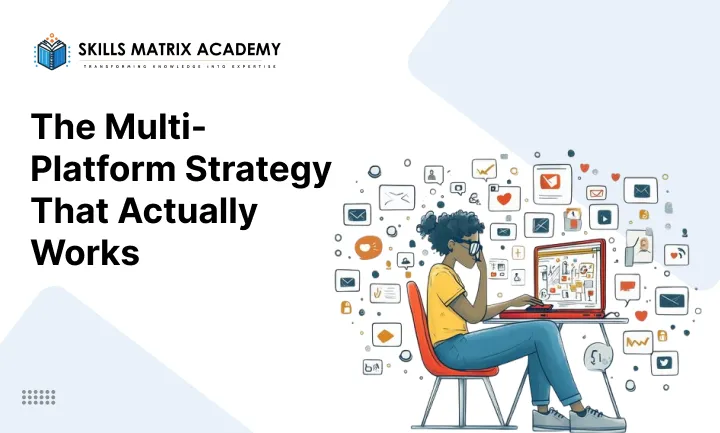
Here’s the approach worth stealing: treat YouTube as your content engine, and every other platform as a distribution pipe.
Long-form content lives on your youtube monetization website, your main channel. Short clips go to TikTok and Instagram Reels. The full video gets repurposed to Facebook Watch and Rumble. Your most dedicated viewers get pulled toward Patreon. Educational content becomes a Skillshare course.
You’re not creating more content. You’re sending the same content through more channels each one with its own video monetization for publishers payout structure.
This is how mid-size creators are quietly earning more than channels with triple their subscribers.
Which Platform Should You Start With?
Be honest with yourself about your content type:
- You create long-form videos: Add Facebook Watch and Rumble immediately. Low effort, real revenue.
- You have an engaged community: Launch a Patreon. Even at $5/month, 100 members is $500 likely more than your current YouTube ad revenue.
- You teach something: Build one course on Udemy this quarter. Price it at $29. Promote it to your existing audience.
- You’re comfortable on camera in real time: Twitch opens a completely different income model worth exploring.
The Bottom Line
Video monetization platforms have never been more diverse or more creator-friendly. The old model of “get big on YouTube, then figure it out” still works, but it’s no longer the only path.
The best video monetization platforms today reward creators who show up in multiple places, serve their audience in different formats, and don’t wait for one platform to hand them permission to earn.
YouTube is still part of the plan. It just shouldn’t be the whole plan.
Start with one platform from this list. Get comfortable. Then add another. Six months from now, you’ll have income streams that don’t all depend on what YouTube decides to do next.
FAQ: Best Platforms Like YouTube for Monetization
Q1. Which platform pays the most for video content besides YouTube?
It depends on your content type and audience size. Rumble is known for competitive licensing deals for new creators, while Patreon consistently pays more per viewer than ad-based platforms because your audience pays you directly. For educators, Udemy and Skillshare often outperform both — a single course can earn more in a month than years of ad revenue on YouTube.
Q2. Can I monetize videos on multiple platforms at the same time?
Yes, and you should. Most platforms allow non-exclusive content, meaning the same video can earn ad revenue on Dailymotion, Facebook Watch, and Rumble simultaneously. The exception is some licensing deals on Rumble, which can be exclusive always read the terms before signing anything.
Q3. Which platform is easiest to get monetized on as a beginner?
Dailymotion has no minimum subscriber requirement to start earning. Rumble also lets new creators monetize early, especially if you opt into their licensing program. Compare that to YouTube’s 1,000 subscribers and 4,000 watch hours for beginners, these two platforms offer a real head start.
Q4. Do I need a big audience to earn on platforms like Patreon or Skillshare?
Not at all. Patreon works on depth, not size. Even 50 highly engaged followers paying $10/month is $500 more reliable than what most small YouTube channels earn from ads. Skillshare pays per minute watched across all students, so a niche course with a small but targeted audience can earn steadily for years.
Q5. Is it worth investing time in smaller platforms when YouTube has the biggest audience?
The audience size argument is real, but it cuts both ways more audience means more competition and harder discoverability. Smaller platforms reward early movers. Creators who built audiences on Twitch, Rumble, or Facebook Watch two to three years ago now have loyal communities and income streams that don’t depend on YouTube’s next algorithm update. The time to start on a secondary platform is before you need it, not after YouTube disappoints you.

Bharat Arora
12+ years as a web developer, Bharat has worked in the biggest IT companies in the world. He loves to share his experience in web development.


Bharat Arora
12+ years as a web developer, Bharat has worked in the biggest IT companies in the world. He loves to share his experience in web development.