1. Introduction: Why Data Privacy Matters in 2026
Data privacy has changed a lot in the last ten years. Earlier, companies collected user data freely. Most people did not know how their personal information was being used. Rules were weak, and awareness was low.
Today, things are different. People understand their digital rights better. Governments have introduced strict privacy laws. In 2026, data privacy is a major concern for businesses, users, and governments.
Laws like GDPR and CCPA have set strong standards. Many new privacy laws are also coming in different countries. Users now expect clear information, better control, and safe handling of their data.
For businesses, protecting data is no longer optional. Strong privacy practices help build trust. They also improve brand image and reduce legal risks. Companies that respect privacy gain loyal customers and long-term success.
2. Current Data Privacy Landscape
The global data privacy environment is more organized than before, but it is still complex.
Major privacy laws like GDPR in Europe and CCPA in the U.S. continue to guide data protection. Other regions are creating their own local privacy rules.
Data breaches are still a big problem. Hackers target personal data every day. One security failure can cost a company money and damage its reputation.
Consumers now expect transparency. They want to know what data is collected and why. Consent is no longer just a formality. It is a way to build trust.
Businesses must manage data carefully. Poor data handling can lead to fines and loss of customer confidence.
3. Emerging Trends in Data Privacy
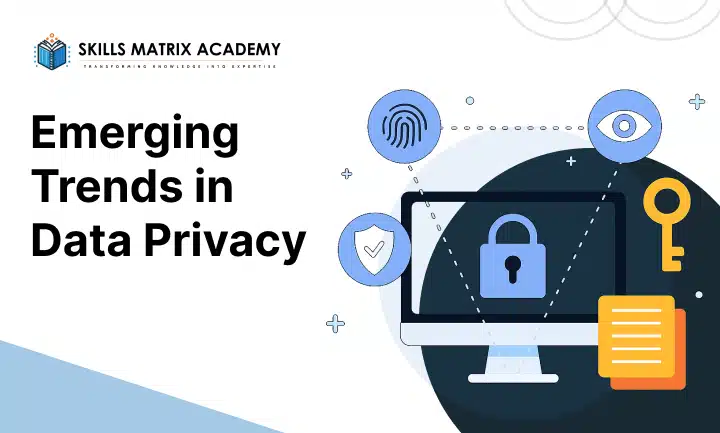
Several new trends are shaping data privacy in 2026.
AI tools are now used for automated privacy compliance. These systems check rules in real time and flag risks early.
Encryption technology has improved. Data is protected while stored and while being shared. This makes it harder for attackers to steal information.
Many apps and websites now follow privacy-first design. They collect only necessary data and explain policies clearly.
Users also want more control. They expect options to manage consent, delete data, or stop tracking easily.
These trends show a clear shift toward user-focused privacy.
4. Impact of AI & Big Data on Privacy
AI and big data help companies analyze large amounts of information. This helps improve services and personalization.
However, this also raises privacy concerns. Predictive systems can guess user behavior, which must be handled carefully.
Consent and transparency are very important. Users should know how their data is used.
Businesses must balance personalization with ethical data use. Responsible AI builds trust and protects privacy.
In 2026, understanding how AI processes data is essential for safe operations.
5. Data Privacy in Different Sectors
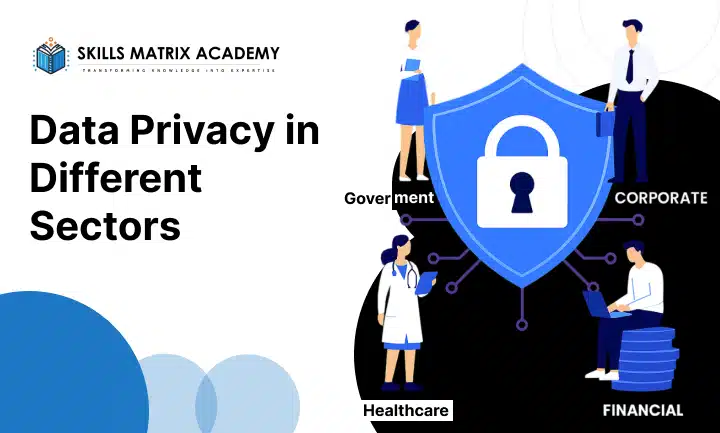
Privacy needs differ by industry.
Healthcare organizations must protect medical records. Patient data is sensitive and legally protected.
Financial companies must secure banking details, payments, and identity information.
E-commerce and marketing platforms track customer behavior, but they must do this responsibly and with consent.
Each sector must follow laws and meet user expectations.
6. Best Practices for Businesses in 2026
Businesses should follow these privacy best practices:
- Build privacy into products from the beginning
- Perform regular data audits
- Keep privacy policies clear and simple
- Offer easy consent controls
- Train employees on data protection rules
These steps help companies stay compliant and earn customer trust.
7. Challenges and Risks
Data privacy still faces challenges in 2026.
Privacy laws change often, making compliance harder. Cyberattacks continue to grow. Hackers constantly look for weak systems.
Companies also struggle to balance innovation with privacy. Using data wisely is key.
A privacy mistake can damage brand reputation for years. Prevention is better than recovery.
8. Future Predictions for Data Privacy

The future of data privacy looks more user-focused.
Privacy laws across countries may become more aligned. This will help global businesses.
AI-driven monitoring will become common. Systems will detect risks automatically.
Users will have more control over their personal data. Privacy-focused platforms will grow faster.
Businesses that prepare early will stay ahead.
9. Final Verdict
Data privacy in 2026 is essential, not optional. Companies that respect privacy gain trust and loyalty.
New tools like AI monitoring and encryption make protection easier. At the same time, rules are stricter and user expectations are higher.
Businesses that balance innovation with ethical data use will succeed. Privacy is no longer just a rule—it is a business advantage.
10. Conclusion
Data privacy in 2026 brings both challenges and opportunities. Companies that act early will build strong trust and reputation.
AI, encryption, and privacy-first design will shape the future. Businesses must stay informed and focus on users.
In the end, privacy is not just about laws. It is about earning trust and long-term success.
11. FAQs (SEO Booster)
What is the state of data privacy in 2026?
Data privacy is stricter, more automated, and focused on user control.
How will AI affect personal data protection?
AI helps monitor risks and improve compliance, but ethical use is necessary.
What are the top privacy regulations globally?
GDPR, CCPA, and new regional laws lead data protection standards.
How can companies get ready for upcoming data privacy regulations?
By using privacy-by-design, audits, clear policies, and staff training.
Why is consumer trust important in 2026?
Trust increases loyalty, engagement, and long-term business growth.

Bharat Arora
12+ years as a web developer, Bharat has worked in the biggest IT companies in the world. He loves to share his experience in web development.


Bharat Arora
12+ years as a web developer, Bharat has worked in the biggest IT companies in the world. He loves to share his experience in web development.